Is morning glory healthy?
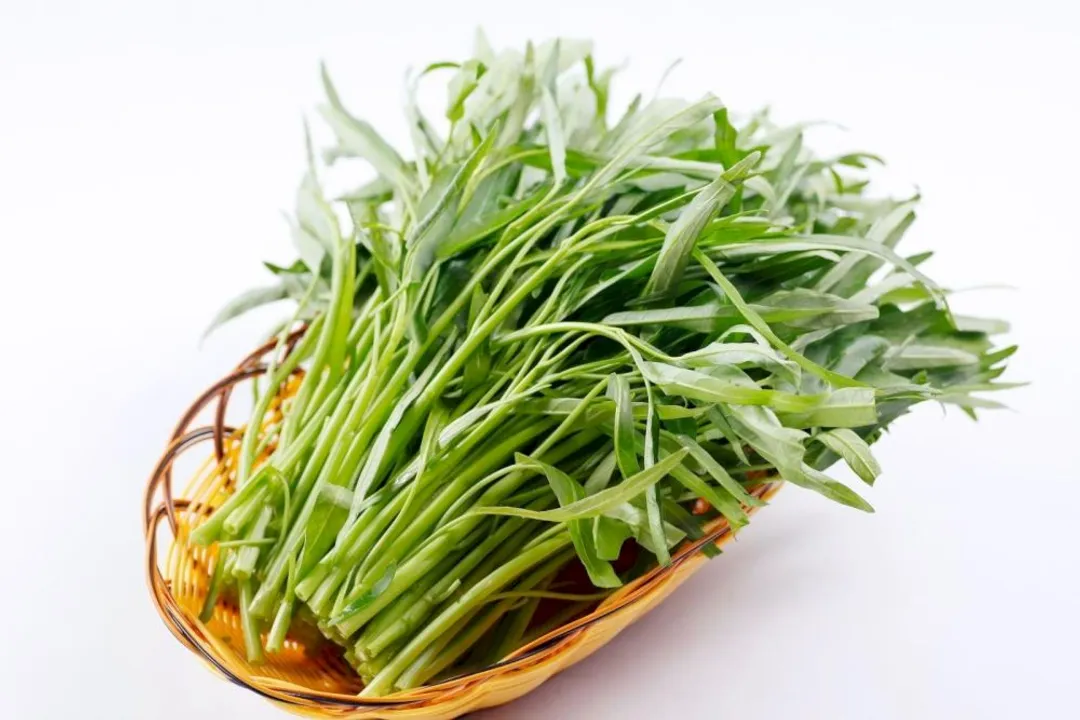
The term "Morning Glory" often causes confusion because it refers to several different plants, each carrying a vastly different health profile. When assessing whether morning glory is healthy, the critical first step is identifying the species in question: are we discussing the highly nutritious, edible green vegetable popular in Southeast Asia, or the ornamental flowering vine whose seeds carry potential risks? The answer depends entirely on which plant ends up on your plate or in your garden bed.
# Edible Greens
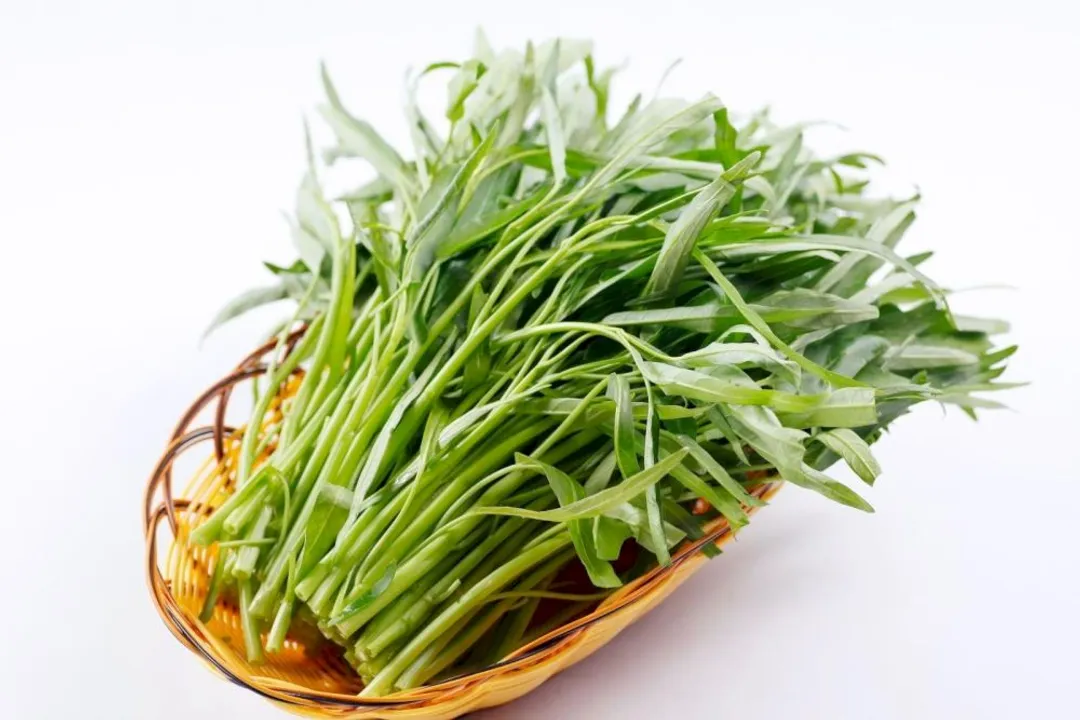
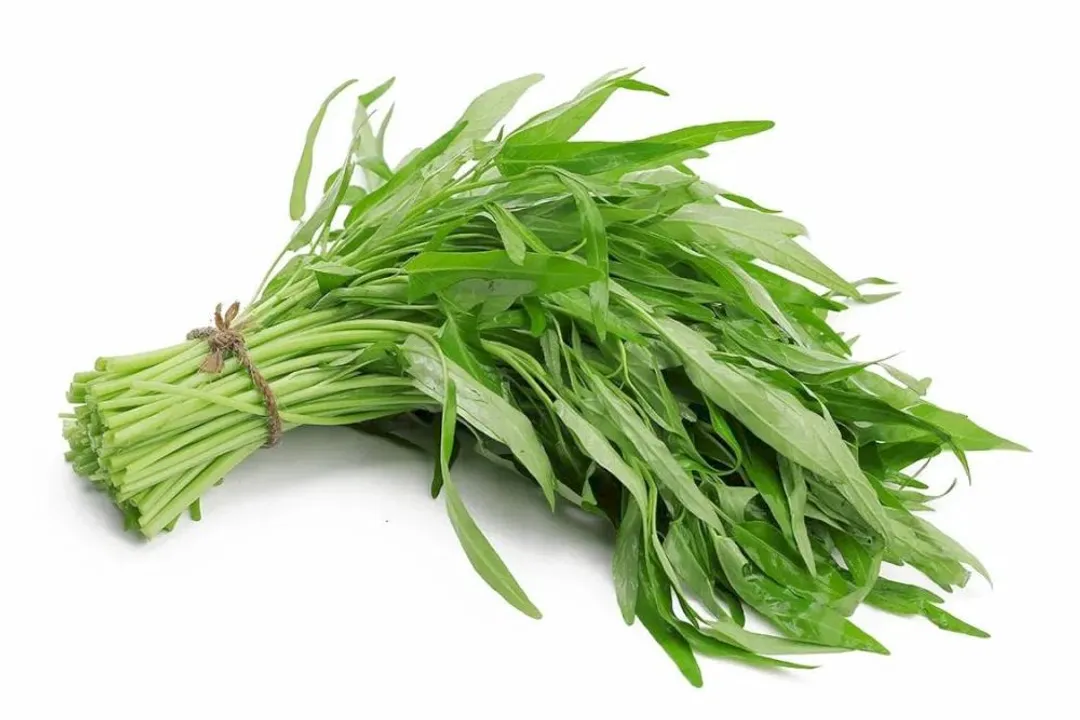
The version of morning glory enjoyed as a staple vegetable across Asia is botanically known as Ipomoea aquatica. Known as rau muong in Vietnam, or water spinach, this fast-growing green is a cornerstone of meals throughout tropical and subtropical regions. It is more than just a fleeting side dish; it represents agricultural simplicity and culinary familiarity, appearing everywhere from casual street stalls to formal dining settings.
# Varieties and Adaptability
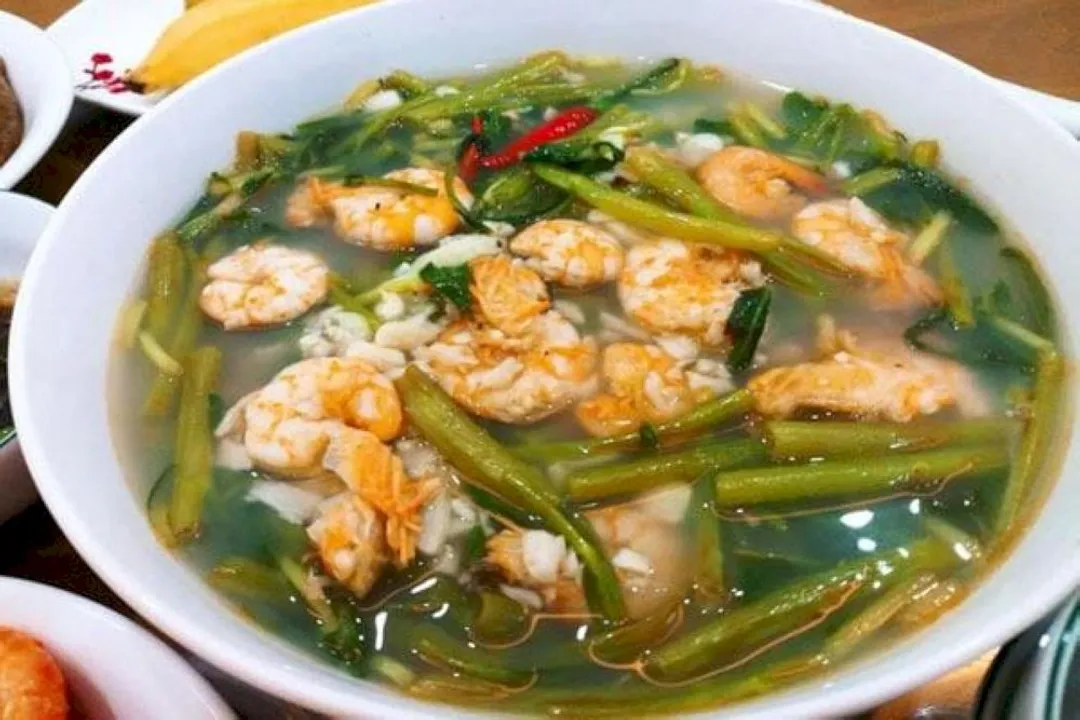
In Vietnam, the plant shows remarkable adaptability, leading to two recognized culinary varieties. The white morning glory (rau muong trang) tends to have paler, thinner stems and thrives when grown in drier soil, making it common in household gardens. Conversely, the purple morning glory (rau muong tia) is perfectly suited for aquatic environments like ponds and wet fields, developing thicker, reddish stems and a crunchier texture. This structural difference directly influences its use: the softer white variety is often simply boiled or stir-fried, while the robust purple type holds up well in soups and hotpots.
# Nutrient Profile
From a purely nutritional standpoint, Ipomoea aquatica is celebrated as a nutrient-dense, low-calorie vegetable, typically registering only about 18 kcal per 100 grams. This makes it an excellent component for light yet nourishing diets.
The vegetable is particularly well-stocked with essential micronutrients:
- Vitamins: High concentrations of vitamins A, C, E, K, and B6 are present, which are vital for immune support, vision, and blood clotting functions.
- Minerals: It delivers key minerals such as iron, calcium, potassium, and magnesium, supporting bone strength and energy levels.
- Other Compounds: It provides dietary fiber, beneficial for digestion, and contains a significant amount of phenolic compounds, giving it antioxidant properties comparable to other well-regarded vegetables like kale. This makes it a solid source of plant-based iron, particularly valuable for those avoiding meat.
When considering its health benefits, it is important to note that the water-grown variety can contain oxalates, which individuals prone to kidney issues should monitor, advising moderation in consumption. Furthermore, any morning glory sourced from wetlands requires thorough washing to eliminate potential environmental contaminants.
# Culinary Health
While the raw vegetable offers inherent nutritional advantages, its ultimate healthiness on the plate is heavily influenced by preparation style, which varies significantly between cultures.
# Contrasting Preparation Styles
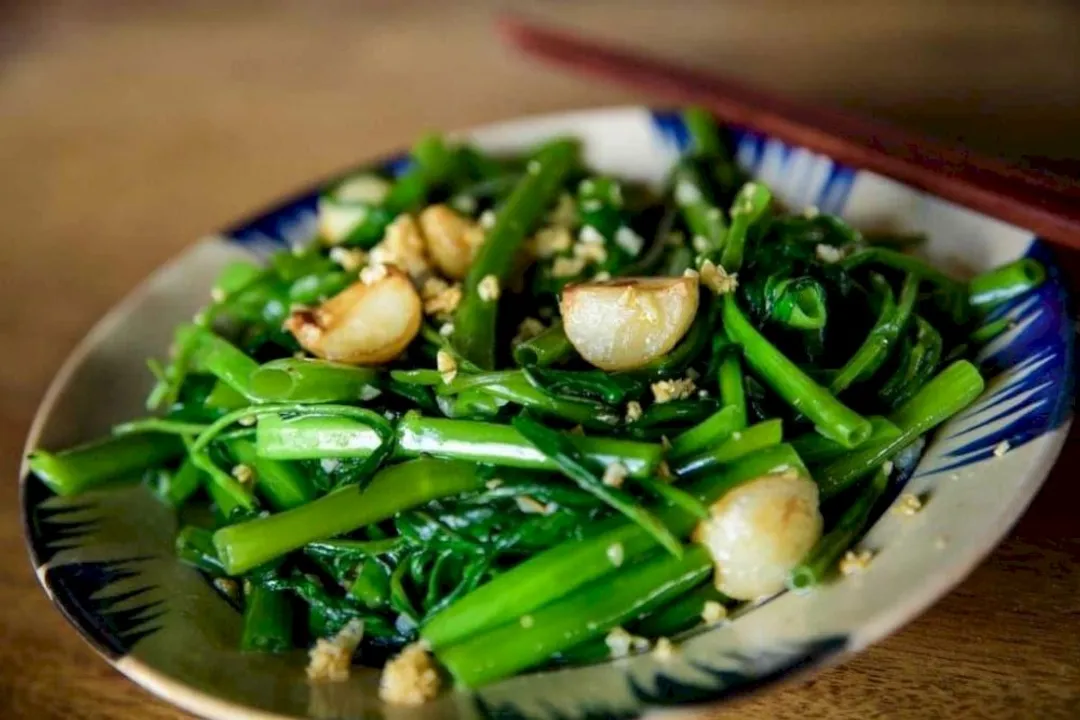
In Vietnam, the focus for stir-fried morning glory (rau muong xao toi) is often on simplicity and preserving texture. The preparation typically involves quickly tossing the greens in a hot wok with fragrant garlic and seasoning primarily with fish sauce for savory depth. Spice is secondary or absent, and the goal is a bright, crunchy side dish to accompany the main meal.
Thai cuisine offers a bolder interpretation with pad pak boong fai daeng. This style incorporates a richer, more complex sauce profile often featuring soy sauce, sugar, and fermented soybean paste. Crucially, Thai preparation usually includes chili for heat. However, this richness can detract from the health benefits if the vendor is heavy-handed with additives. One analysis of common Thai street food preparations notes that while the vegetable itself is rich in nutrients like iron, the dish can become surprisingly unhealthy when drenched in excessive white sugar, fried in low-quality or reused vegetable oil, and loaded with sodium.
This reveals an interesting dynamic: The raw ingredient is objectively healthy, but the cooking process dictates the final outcome. A Vietnamese preparation using minimal seasoning and high-heat, quick cooking will retain more of the vegetable's inherent goodness than a heavily sweetened and oily alternative. When ordering, a simple request to reduce or omit sugar can significantly shift the dish toward a healthier profile.
# Toxicity Warnings
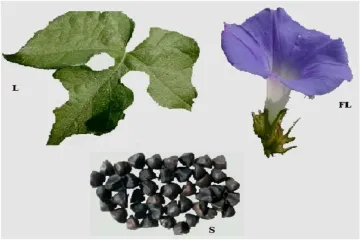
The health concern surrounding the name "Morning Glory" is generally not linked to the Ipomoea aquatica vegetable but rather to the ornamental flowering vine, typically Ipomoea tricolor, whose seeds are known to contain psychoactive compounds. When people question if morning glory is toxic to humans, they are often referencing this ornamental species.
For home growers, this ambiguity creates significant risk, especially in shared systems. In one instance concerning hydroponics, a grower whose morning glory vine was invading a lemon cucumber system received strong advice to kill the plant and destroy the seeds immediately, citing the risk the plant posed to other crops due to potential pest infestation and the general toxicity concern associated with the seeds. This highlights that for non-culinary varieties, the plant material, especially the seeds, should never be consumed. Always confirm you are dealing with Ipomoea aquatica if you intend to eat it; if the plant produces the large, trumpet-shaped flowers common in gardens, it should be treated with caution regarding ingestion.
# Baked Goods
Beyond the fresh vegetable, the name appears in baking, most famously in Morning Glory Muffins. These baked goods are not made from the water spinach vegetable but are named for their high density of mix-ins, reminiscent of the way the traditional culinary green is packed with texture.
A healthy approach to these muffins focuses on maximizing the nutritious components while minimizing refined ingredients. Recipes celebrated for their health aspects load these muffins with ingredients like grated carrot, apple, and raisins. The healthier versions often significantly cut back on traditional sweeteners, substituting refined sugar with natural options like maple syrup or honey. These muffins are favored as a hearty, grab-and-go breakfast, praised for being loaded with fiber and subtly sweet rather than overly sugary.
If you find yourself contemplating making these, be prepared for a bit more hands-on work; one baker noted the preparation was "soo labor intensive," involving grating many components, though the result was deemed worth the effort for a less sweet, dense, and filling product.
In assessing the overall healthiness of "morning glory," the primary takeaway is one of botanical specificity. The cultivated Asian green is a highly beneficial, low-calorie food source when prepared simply. In contrast, the ornamental vine demands respect for its known toxicity risks, making visual identification or source confirmation paramount for safety. If you are seeking culinary nutrition, stick to verified rau muong; if you are gardening ornamental vines, ensure those seeds stay out of any food preparation area. For a baking treat, the namesake muffin offers a way to incorporate fiber and root vegetables into a breakfast item, provided you manage the added sugar content.
Related Questions
#Citations
Vietnamese Morning Glory - MIRJAM LETSCH
Morning Glory Vegetable: Healthy Asian Green To Boost Your Meals
Stir-Fried Morning Glory: Enjoy This Tasty Thai Vegetable Treat
5 Thai Foods That You Think Are Healthy, But They're Not
Morning Glory muffins. These were soo labor intensive ugh I ... - Reddit
Healthy Morning Glory Breakfast Muffins | The Natural Nurturer