Is baked salmon healthy for weight loss?
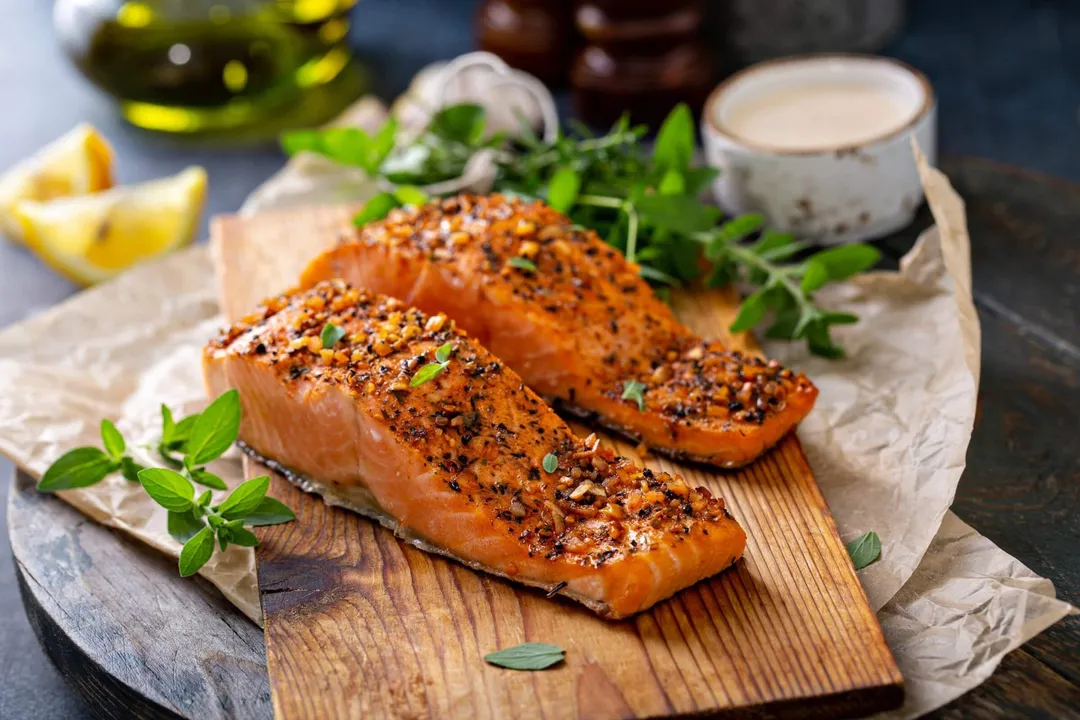
Salmon is widely discussed in health and nutrition circles, often coming up when people search for satisfying foods that align with a weight loss plan. The initial consideration for any dieter revolves around whether a food containing significant fat, like salmon, can truly support shedding pounds. The evidence strongly suggests that when prepared correctly and consumed mindfully, baked salmon is not just healthy, but it can be a powerful ally in achieving fat loss goals. Its unique nutritional makeup attacks weight management from several angles: appetite control, metabolic support, and muscle maintenance.
# Protein Power

The most immediate benefit salmon offers for weight management comes from its exceptional protein concentration. Protein is recognized as the most satiating macronutrient, meaning meals rich in it help you feel fuller for a longer duration. This feeling of satiety naturally translates to an easier time managing overall daily calorie intake by reducing the impulse to snack between meals. For context, a 4-ounce serving of salmon delivers roughly 25 grams of high-quality protein, comparable to a similar serving of chicken breast. Furthermore, the body expends more energy digesting protein compared to fats and carbohydrates—a concept known as the thermic effect—meaning your body burns calories just processing the meal. Maintaining this lean muscle mass while losing weight is critical, as muscle tissue helps keep your resting metabolic rate higher, aiding sustained calorie burning.
# Healthy Fats
Salmon is often categorized as a fatty fish, which is true, but the type of fat it contains is what makes it advantageous rather than detrimental to a weight loss diet. It is loaded with heart-healthy omega-3 fatty acids, specifically eicosapentaenoic acid (EPA) and docosahexaenoic acid (DHA). These essential fats must come from the diet as the body cannot produce them. The benefit of these specific fats extends beyond general wellness; research indicates they can actively support weight management by improving insulin sensitivity and helping to regulate metabolism. Inflammation is sometimes connected to metabolic dysfunction and weight gain, and the omega-3s in salmon work to reduce this systemic inflammation. Some studies have even suggested a link between these fatty acids and a reduction in abdominal fat in overweight individuals.
# Calorie Comparison
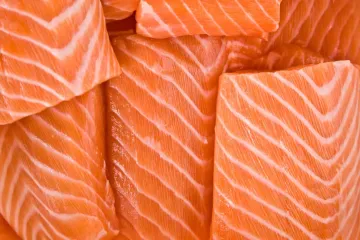
While salmon boosts satiety effectively, its fat content means it carries more calories per serving than very lean white fish or skinless poultry, making portion control especially important when baking for weight loss. For example, one source states a 100-gram (3.5-ounce) serving of cooked salmon can range from about 206 calories to 232 calories, depending on the type. Wild-caught salmon tends to be leaner, providing fewer calories per ounce than farmed Atlantic varieties. A 4-ounce piece of farmed Atlantic salmon might land near 230–250 calories, while the same weight of wild sockeye could be closer to 180–200 calories.
If you are mindful of keeping calories tight, leaner options like cod or chicken breast (around 165 kcal per 100g for skinless chicken breast) might offer more protein per calorie on paper. However, one must weigh that against the unique benefits provided by the omega-3 fats in the salmon. For instance, if a restaurant serves you an 8-ounce fillet, you could easily consume over 500 calories—double the manageable portion size often suggested for dieting—before even considering sides or sauces. The key takeaway here is that achieving weight loss with salmon is about controlling the final plate amount, not avoiding the fish entirely due to its innate fat content.
# Preparation Matters
The method used to cook your salmon can completely change whether it supports your calorie goals or derails them. Since the goal is usually to bake or cook it with minimal added calories, methods like deep-frying or drowning the fillet in heavy sauces must be avoided. A restaurant version smothered in béarnaise or heavy cream sauce can easily push a 250-calorie baked fillet past the 600-calorie mark.
Baking is an excellent, reliable choice for weight loss. A standard approach involves preheating the oven to about 400–425°F, using just 1–2 teaspoons of olive oil for seasoning, and baking for about 12–15 minutes. For home cooks aiming for very low-fat cooking, steaming or poaching are also effective methods for reducing the need for added fats. Air-frying is another great option, crisping the skin with minimal oil addition. When seasoning, lean on zero-calorie flavor enhancers: citrus like lemon or lime, fresh herbs such as dill or parsley, or simple spice rubs like black pepper, paprika, or garlic powder.
A practical consideration for home cooking that often gets overlooked is that overcooking ruins texture, which might lead to dissatisfaction with the food choice itself. To ensure moist, flaky results, pull the salmon from the heat when the center is still slightly translucent, allowing the residual heat to finish the cooking process.
# Mercury Limits
A frequent concern with consuming fish regularly is the potential for heavy metal contamination, specifically mercury. Fortunately, salmon is generally regarded as one of the safer choices regarding this concern. The U.S. Food and Drug Administration (FDA) includes salmon in its "best choices" category for fish consumption, suggesting that regular intake is safe from a mercury standpoint. While some discussions point out that farmed salmon might have lower levels of contaminants like PCBs than wild salmon, others mention that wild salmon has more beneficial pigments. Regardless of the source, the levels in salmon are low enough that experts recommend consuming fish like salmon 2 to 3 times per week without worry. This makes it a sustainable choice for a consistent weight loss diet.
# Frequency Guide
To consistently reap the benefits of high protein and omega-3 intake without overdoing it, most dietary advice suggests incorporating salmon into your rotation 2 to 3 times weekly. This frequency provides meaningful amounts of omega-3s without consuming excessive calories or worrying about potential buildup of any contaminants. If you are looking for a budget-friendly way to meet this frequency goal, canned salmon—especially water-packed—offers nearly identical nutritional benefits to fresh fillets at a significantly lower price point. You can use it in salmon patties or salads, often getting over 35 grams of protein from a small can.
The integration of salmon into a weight loss strategy is effective because it hits several key areas simultaneously: it makes you feel full from the protein and healthy fats, it is naturally low in carbohydrates (glycemic index of 0), and its micronutrients like Vitamin B12 support energy metabolism. This combination of satiety, nutrient density, and metabolic support cements baked salmon's place as a highly recommended component of any successful weight management plan.
Related Questions
#Citations
Is Salmon Fish Good for Weight Loss?
Salmon is awesome for cutting : r/Fitness - Reddit
Salmon: Weight Loss, Nutrition Facts, Health Benefits & Calories
4 Benefits of Including Salmon in a Weight Loss Diet
Is Salmon Good for Weight Loss? - Clean Eatz Kitchen
Is Salmon Good For Weight Loss? Debunking The Myths ... - BetterMe
Why We Love Salmon and You Will Too - BluGlacier