Which chillies are the most healthy?
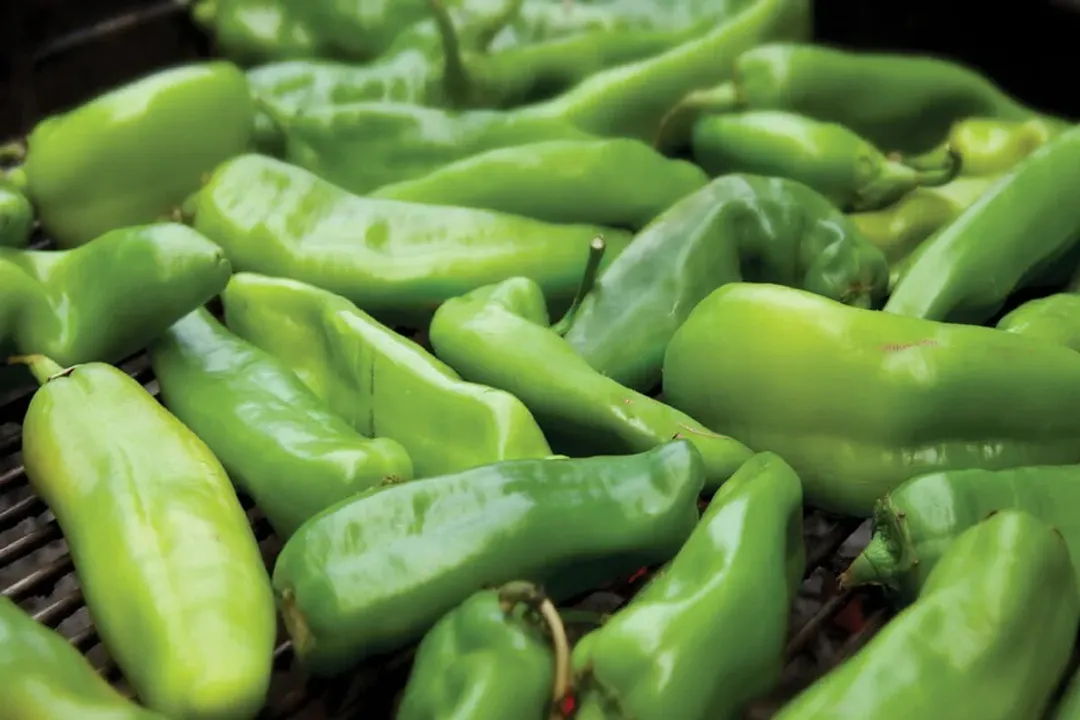
The intense heat that characterizes many chili peppers is precisely what often signals a higher concentration of beneficial compounds, leading many to wonder which specific varieties offer the greatest health advantage. While the Scoville scale measures the burning sensation caused by capsaicin—the primary active ingredient—the answer to "which is healthiest" isn't just about the highest heat rating; it involves a balance of capsaicin alongside essential vitamins and unique antioxidants. [1][2][3] Generally speaking, peppers left to mature longer, turning from green to red, often pack more overall nutritional punch, particularly increasing compounds like beta-carotene. [2][5]
# Pungency Potency
Capsaicin is responsible for the signature burn, but it’s also the compound tied to many well-researched benefits. [1] It interacts with pain receptors, initially causing a burning sensation, but over time, regular consumption may desensitize these receptors, which can offer relief from chronic pain, including that associated with acid reflux or conditions like arthritis and fibromyalgia. [1][3] Beyond pain management, this compound is frequently investigated for its ability to stimulate thermogenesis—the process where the body raises its temperature or energy output—thereby potentially boosting metabolism and aiding in weight management by reducing appetite or increasing fat burning. [2][3][7] Evidence suggests that consuming spicy foods, often chili peppers, even just once or twice weekly, has been linked in large population studies to a reduced risk of mortality, specifically from cardiovascular events. [2] This strong link between heat and benefit suggests that, to maximize capsaicin's effects, one must generally look toward the hotter end of the pepper spectrum. [2][4]
However, maximizing capsaicin intake comes with a necessary acknowledgment of tolerance. Extremely hot peppers, like the former record-holder, the Carolina Reaper, possess astronomical levels of capsaicin, which while potent in theory, carry practical risks of adverse effects, including severe headaches related to arterial constriction. [2] This highlights a critical factor: the safest pepper that still provides a significant capsaicin dose might be the healthiest for regular dietary inclusion, rather than the absolute hottest. [2][4]
# Nutrient Spectrum
While capsaicin gets the spotlight, chili peppers are also rich sources of diverse vitamins, minerals, and carotenoids. [1] The specific profile shifts based on the pepper's color and maturity. [2][5]
# Color Maturation
Green peppers are simply immature versions of red, yellow, or orange peppers. [2] For instance, red chili peppers are very high in beta-carotene, which the body converts to Vitamin A, and this content is significantly higher—up to twelve times more—than in their green counterparts. [2] Conversely, the green, immature peppers often retain higher levels of certain antioxidants, such as lutein, which is particularly noted for supporting eye health. [1][2]
# Vitamin Powerhouses
Looking purely at vitamins, some medium-heat peppers punch far above their weight:
- Vitamin C: Hot peppers, in general, beat oranges three to one. [3] The Serrano pepper is specifically highlighted for containing a massive amount of Vitamin C; one cup reportedly offers 190 milligrams, far surpassing the 90 milligrams in a large Florida orange. [2] Even smaller, milder peppers like the Shishito can provide 170% of the recommended daily Vitamin C in a single serving of about eight peppers. [2]
- B Vitamins: Stress-fighting B-complex vitamins, essential for nervous system health, are abundant in hotter peppers like the Scotch Bonnet and Habanero. [2]
- Folic Acid: Surprisingly, the milder Jalapeño is called out as an excellent source of folic acid, making it particularly beneficial for expectant mothers as it aids in neural tube and red blood cell formation in the developing baby. [2]
# Antioxidant Variety
Beyond the vitamins, the carotenoids contribute color and protective qualities. Capsanthin, the main carotenoid in red peppers, is linked to potential cancer-fighting properties. [1] Quercetin, found in Poblano peppers, is noted for its potential to reduce inflammation and guard against heart disease and diabetes. [2] Yellow peppers distinguish themselves by having the highest levels of Violaxanthin, an antioxidant believed to offer protection against skin cancer. [2]
It's worth noting that while peppers are packed with these micronutrients, they are typically consumed in small quantities, so their daily contribution to overall micronutrient intake is small compared to staple vegetables, though the concentration of specific beneficial compounds remains high. [1]
# Variety Specifics
When assessing which is most healthy, we must compare the variety that excels in capsaicin benefits versus the one that excels in micronutrient load.
# Top Scorers
The Scotch Bonnet pepper often takes the top spot in specialized rankings due to its comprehensive profile. [2] It is noted for high levels of phytochemicals, Vitamin A, Vitamin C, magnesium, and the stress-fighting B-vitamins. [2] Furthermore, its high capsaicin content may help lower stress by stimulating endorphin production. [2]
The Serrano pepper earns distinction primarily for its Vitamin C density. [2] Its capsaicin also specifically inhibits substance P, a neuropeptide tied to inflammation, giving it strong pain-relieving properties for issues like osteoarthritis. [2] Interestingly, contrary to common belief, hot peppers like Serranos may actually help reduce stomach damage caused by NSAID overuse and alcohol, potentially preventing ulcers. [2]
The Poblano stands out among the milder varieties for its specific vitamin content. [2] It offers significant Riboflavin (Vitamin B2), which may help protect against colorectal cancer, and contains Quercetin. [2] Poblanos can also help maintain a healthy lipid profile by lowering blood fat. [2]
# The Milder Gateways
For those who cannot tolerate high heat but still want the health advantages, a "gateway" pepper is key. [5]
Hatch Chiles are positioned as an excellent entry point, often being milder than an average jalapeño. [5] Their major advantage in a practical diet is their ability to add significant flavor with less need for added salt or fat, supporting weight management. [5] Red Hatch chiles deliver more Vitamin A, while green ones are superior for Vitamin C, making the choice dependent on the desired nutrient. [5]
Bell Peppers represent the bottom tier in terms of capsaicin benefits, as they have zero heat units. [2] However, they are not nutritionally void. They are exceptional sources of Vitamin C (a single one can supply 169% of the daily intake), along with vitamins K, E, A, folate, and potassium. [2] Green bell peppers are particularly high in the eye-health-boosting lutein. [2]
An important consideration when weighing variety selection is the concept of consistent dose versus peak nutrient density. For instance, while a Serrano delivers significantly more Vitamin C per serving than a Jalapeño, if a person only eats a single Jalapeño a day, but the Serrano causes digestive upset leading them to stop eating it entirely, the consistent, lower dose from the Jalapeño becomes the more "healthy" choice over time. This trade-off between high concentration and adherence is often more important than an absolute ranking score.
# Processing and Preservation
How you prepare and store your chosen chili can also impact the health benefits you receive. For peppers like the Hatch variety, roasting adds a smoky flavor and loosens the skin, which is often discarded for texture reasons. [5] Roasting may also help preserve nutrients and antioxidants, especially if the peppers are then frozen. [5]
For long-term use, consuming peppers fresh, dried, or ground into powder allows you to maintain a steady supply of capsaicin and nutrients year-round. [7] Dried peppers are generally hotter than fresh ones. [3] When processing, removing the seeds and the white inner pith (the placenta) is the best way to tone down the heat level, as these areas hold the highest concentration of capsaicin. [2][3]

# Maximizing Safe Intake
The benefits of capsaicin—pain relief, metabolism support, and antimicrobial action—are appealing, but negative side effects like stomach distress (especially for those with IBS) or the rare but severe reaction to super-hots must be managed. [1][2][3]
If you are trying to work your way up to hotter peppers to maximize capsaicin benefits, patience is key, as tolerance develops over time. [1] When experiencing a burn, water is ineffective; the fat in milk, cottage cheese, or yogurt works best to dissolve capsaicin, or consuming a starchy food like bread can help. [3]
An actionable strategy for integrating more beneficial heat safely involves "layering" spice throughout a meal rather than relying on a single, very hot ingredient. For example, use a milder, flavor-forward chili like the slightly spicy Basque (Piment d'Espelette) for a base flavor, add a medium heat like a roasted Jalapeño for body, and then finish with just a tiny dusting of a high-capsaicin powder (like ground Cayenne) on a specific component of the dish. This approach allows the palate to experience the metabolic and anti-inflammatory effects of capsaicin without overwhelming the digestive system in one concentrated burst.
Ultimately, the healthiest chili pepper is the one that integrates well into your regular diet, providing a consistent source of its beneficial compounds without causing distress. For the highest concentration of the heat compound, hotter peppers like the Scotch Bonnet or Serrano lead the pack, but for a well-rounded daily intake of diverse vitamins and milder anti-inflammatory effects, utilizing red and green varieties throughout the week provides a superior nutritional balance. [1][2][5]
Related Questions
#Citations
Ranking Types of Chili Peppers by How Healthy They Are
Health benefits of chili's : r/HotPeppers - Reddit
Are Hatch Chiles Healthy? - Houston Methodist
Chili Peppers 101: Nutrition Facts and Health Effects - Healthline
Chili: Most popular varieties, heat levels and use - Honest & Rare
Chili Peppers for Health! | BOOMER Magazine
Health Benefits of Hot Peppers - WebMD