How healthy are plumcots?
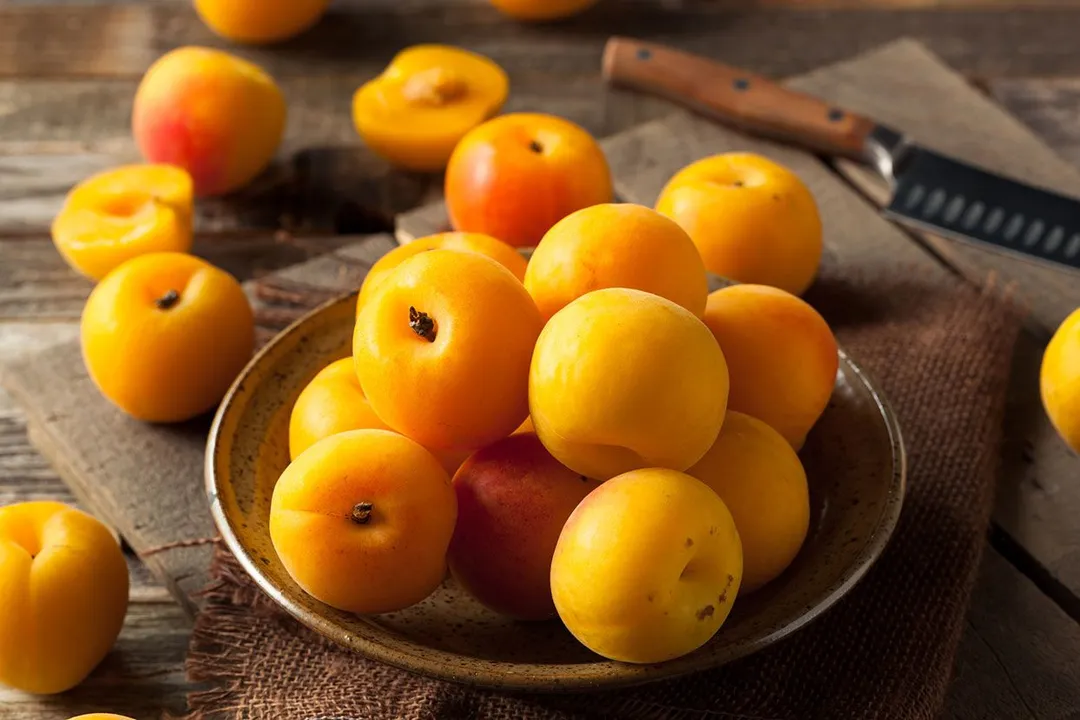
The plumcot sits at the fascinating intersection of two stone fruit classics, marrying the plum and the apricot into a single, often surprisingly delicious package. [1][2] As a hybrid fruit, it sparks curiosity not just about its unique taste but also about its actual health contribution compared to its well-known parents. [3] Understanding this hybrid requires looking beyond the general fruit aisle and examining the specific nutritional components that make it an appealing addition to a balanced diet. [7]
# Hybrid Identity
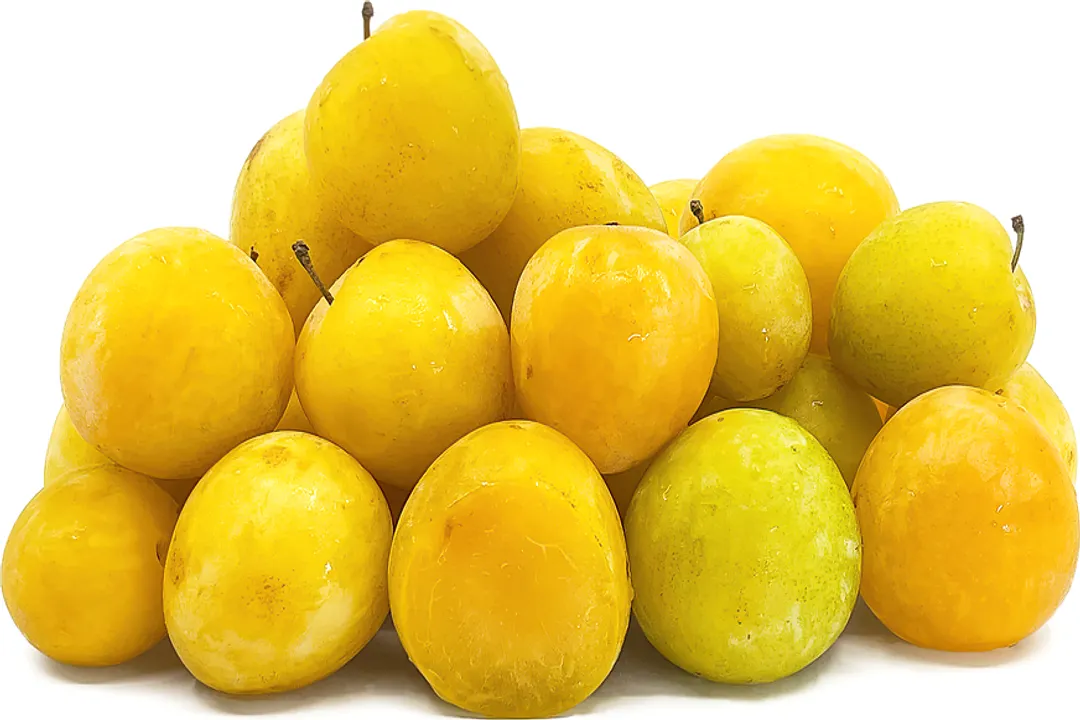
The plumcot is the result of cross-pollination between a plum and an apricot. [1][6] This intentional blending aims to capture desirable traits from both parent fruits. [6] Some sources indicate that while plumcot is often used as the general umbrella term for this cross, specific varieties, like the trademarked pluot developed by Zaiger's Genetics, have entered the common vocabulary. [5][6] Regardless of the specific name—plumcot or pluot—the fundamental biology remains the same: a delicious intergeneric hybrid. [8]
When you hold one, you can often see the genetic tug-of-war. The skin tends to resemble that of a plum—smooth and taut—while the inner flesh often carries the softer, sometimes slightly fuzzy texture associated with apricots. [2] This physical blending hints at the complex flavor profile waiting inside. [4]
# Flavor Comparison
The eating experience is perhaps the most immediate way to gauge a plumcot’s success as a hybrid. [6] Generally, these fruits offer a flavor that leans more heavily toward the plum side of the family tree, often resulting in higher sweetness than a standard apricot. [1][4] However, unlike some plums which can be intensely tart, the plumcot usually maintains a pleasing balance, featuring a definite sweetness cut by just the right amount of acidity or tartness, depending on the specific variety. [6][4]
It is helpful to think of the flavor as a spectrum. Some varieties might be overwhelmingly sweet and juicy, resembling a highly flavored plum, while others might showcase a more distinct apricot aroma with just the underlying structure of a plum. [2][5] For instance, an apricot tends to be less acidic and generally less juicy than a plum. [4] The plumcot seems to strike a sweet spot that appeals to those who find apricots a bit bland or standard plums too tart for snacking straight out of hand. [6] The textural interplay—the satisfying slight snap of the skin followed by yielding, flavorful flesh—is a key selling point that keeps people coming back when these fruits are in season. [2]

# Core Nutrition
Digging into the specifics of plumcot nutrition reveals that they are low in calories while delivering a notable punch of essential vitamins and dietary fiber. [3][7] A typical serving size provides energy predominantly from carbohydrates, with negligible amounts of fat and protein. [7]
Key micronutrients often highlighted in plumcots and their close relatives include:
- Vitamin C: Important for immune system support and acting as an antioxidant. [3][7]
- Vitamin A: Essential for good vision and cell growth. [3][8]
- Fiber: Critical for digestive health. [3][8]
- Potassium: A mineral vital for balancing fluids and supporting nerve signaling. [7]
- Vitamin K: Involved in blood clotting and bone health. [7]
One area where these hybrids shine is in their concentration of beneficial compounds. They are noted for containing polyphenols, which are natural antioxidants found in many colorful fruits and vegetables. [3] Because the plumcot often retains the darker pigment of the plum skin, eating the skin is highly recommended, as the highest concentrations of these beneficial compounds, like those associated with the deep coloring, are often found right there in the peel. [1][8] To maximize your intake of these skin-bound compounds, consider eating the plumcot unpeeled, perhaps paired with a protein source like a handful of almonds to slow sugar absorption, rather than eating it alone as a pure energy source. [3]
# Health Benefits
The combination of vitamins, fiber, and antioxidants translates directly into several potential health advantages when these fruits are regularly incorporated into one's diet. [3]
# Immune and Vision Support
The presence of Vitamins A and C forms a classic nutritional defense team. [3] Vitamin C supports the body's natural defenses, while Vitamin A is crucial for maintaining healthy mucous membranes and supporting good eyesight, especially in low light. [8][3] Given that these fruits are seasonal, enjoying them when available helps ensure a concentrated burst of these fat-soluble (A) and water-soluble (C) vitamins during that time frame. [1]
# Digestive Regularity
One of the most straightforward benefits comes from the fiber content. [3][8] Fiber is well-known for promoting regular bowel movements and supporting overall gut health. [3] In a world where many processed foods lack sufficient dietary fiber, consuming whole fruits like the plumcot offers an easy and palatable way to meet daily recommendations. [7]
# Heart Health Factors
The nutrients present in these stone fruits contribute positively to cardiovascular well-being. [3] Potassium, for instance, is essential for maintaining healthy blood pressure levels by counteracting the effects of sodium. [7] Furthermore, the antioxidants, such as the polyphenols, play a role by helping to protect cells from oxidative damage, which is a factor in the development of chronic conditions, including heart disease. [3]

# Seasonal Eating Context
Plumcots are a seasonal delicacy, meaning their peak availability is often restricted to the summer months. [1][6] This seasonality offers an interesting point of comparison with their year-round counterparts, apples or citrus fruits. While apples and citrus provide consistent nutrition, the seasonal availability of plumcots concentrates their nutritional punch into a shorter window. [6] This pattern encourages mindful eating: recognizing when a fruit is at its absolute freshest and most nutrient-dense allows you to fully appreciate its unique profile before it disappears until the next season. [1]
When purchasing, look for fruit that yields slightly to gentle pressure but isn't mushy, similar to selecting a ripe peach. [6] If you happen to buy them when they are slightly underripe, which can happen if you buy them early in their season, simply leaving them on the counter for a day or two, away from direct sunlight, will often bring out that desired sweetness and softness. [9]
# Practical Integration
Moving these hybrids from the market basket to the table is simple, given their inherent flavor. [6] Because they are generally sweet and less messy than some other stone fruits, they excel in simple applications. [4]
A helpful tip for readers looking to increase their intake without relying only on raw consumption is to think about blending. Because the skin is thin and the flesh juicy, plumcots blend beautifully into smoothies. If you freeze them first, especially after removing the pit, they provide a fantastic, naturally sweet, icy base for breakfast shakes, eliminating the need to add refined sugars. This method allows you to preserve that summer sweetness for enjoyment even as the seasons change. [8] Another straightforward preparation involves a quick, light grilling, which can intensify the natural sugars slightly, making them an excellent, warm topping for plain yogurt or cottage cheese. [5]
Ultimately, whether you call it a plumcot or a pluot, this hybrid fruit offers more than just a pleasant, balanced flavor; it delivers vitamins, fiber, and antioxidants in a convenient, low-calorie package, making it a genuinely healthy choice when it is in season. [3][7]
Related Questions
#Citations
What Is a Plumcot—and Should You Be Eating Them? - EatingWell
Plumcot Information and Facts - Specialty Produce
7 Health Benefits Of Pluots - DoveMed
Plumcots : r/healthyeating - Reddit
The Goods: Myths and facts about pluots
Pluots: Your Guide to a Unique Hybrid Fruit - The FruitGuys
Plumcot Nutrition - SnapCalorie
[PDF] PLUOTS - OSPI
Plumcot - Flower of the Gods