Are bamboo worms healthy?

Bamboo worms, scientifically known as the larvae of the Omphisa fuscidentalis moth, represent a compelling entry point into the world of entomophagy, the practice of eating insects. [4][8] Far from being a modern novelty, these creatures hold the status of a traditional delicacy in several Asian countries, most notably Thailand. [5][3] When considering adding them to one's diet, the primary question often shifts from novelty to genuine nutritional value, prompting a closer look at their composition.
# Larval Composition
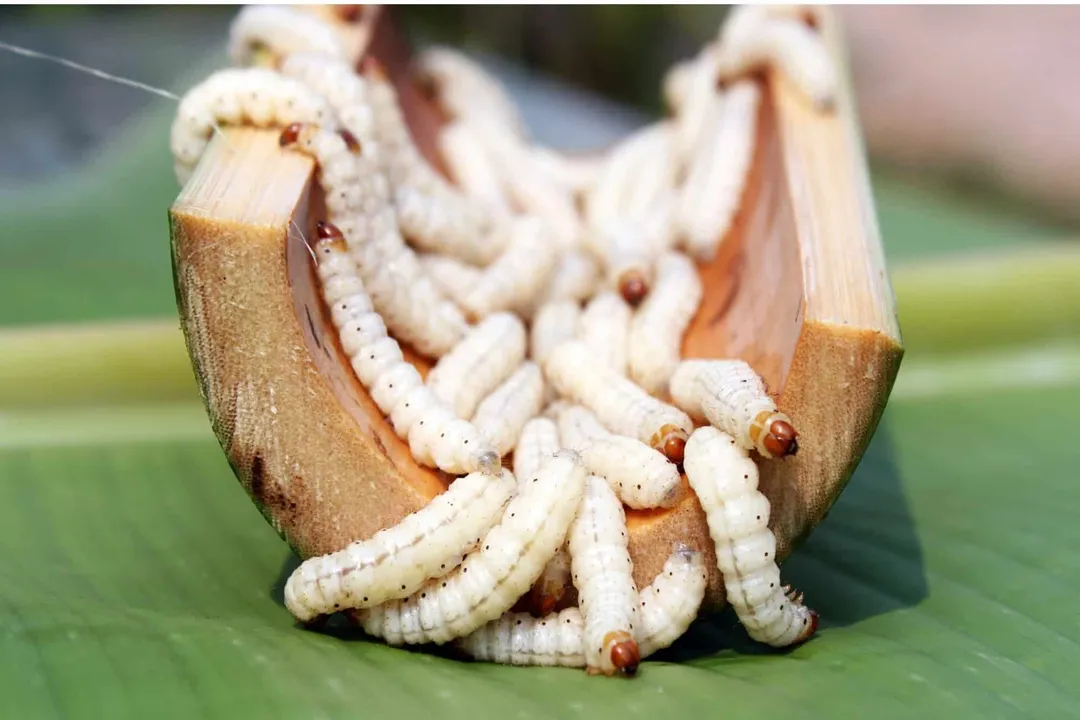
The health profile of bamboo worms is largely dictated by their chemical makeup, which, as research indicates, is quite favorable for a high-protein source. Analyzing the dry weight of these larvae reveals a significant concentration of macronutrients. Across various scientific assessments, the protein content consistently registers high, frequently falling between $50%$ and $60%$ of the dry mass. [4][7][9] One specific study reported a crude protein figure of dry weight, while another detailed a value of dry matter. [7][9] This positions them strongly against many conventional meat sources in terms of pure protein density.
The fat content is also substantial, which contributes significantly to their energy value and flavor profile. [9] Researchers have quantified the crude fat content at approximately on a dry matter basis. [9] When looking deeper into the fatty acid profile, the composition leans toward healthier options. Both oleic acid, an omega-9 monounsaturated fat, and linoleic acid, an omega-6 polyunsaturated fat, are identified as major components. [4][7] For those interested in maximizing intake of essential fatty acids, understanding the preparation method becomes critical, as deep-frying will inevitably increase the total fat percentage through oil absorption, potentially shifting the balance away from the natural profile detailed in these dry-weight studies.
# Nutrient Comparison
To illustrate the macronutrient density, it is helpful to view the reported dry matter percentages side-by-side, acknowledging that actual values can fluctuate based on the insect's diet and maturity. [9]
| Component | Reported Percentage (Dry Weight) | Primary Source Type |
|---|---|---|
| Crude Protein | $55.4%$ to $58.16%$ | Essential Amino Acids [7][9] |
| Crude Fat | Contains Oleic & Linoleic Acid [7][9] |
This data highlights that bamboo worms are not merely a source of protein but also a notable source of dietary fat, making them an energy-dense food item. [9] Furthermore, the protein quality is supported by the presence of essential amino acids, which the human body cannot synthesize on its own. [7]
# Minerals and Bioactives
Beyond the major building blocks of protein and fat, the nutritional argument for consuming bamboo worms gains strength from their micronutrient density. They are reported to be rich sources of several vital minerals necessary for human health. [4] Specifically mentioned are iron, zinc, calcium, and magnesium. [4] Iron and zinc, in particular, are often areas of concern in global diets, making edible insects a potential tool for addressing micronutrient deficiencies. [4]
Another intriguing aspect uncovered by scientific screening is the presence of antioxidant activity within the worms. [4] Antioxidants are compounds that help protect cells from damage caused by free radicals, which is a fundamental mechanism linked to aging and disease prevention. While the specific bioactive compounds responsible for this activity would require further isolation and testing, their general presence suggests a benefit extending beyond simple macronutrient provision. This level of complex biological activity is often what distinguishes whole-food sources from isolated supplements.
# Culinary Practice Versus Health
Bamboo worms are frequently encountered commercially in their canned form, ready for consumption. [1] More commonly in street food settings, they undergo frying until crispy, often seasoned simply with salt and pepper. [3] This preparation transforms them into a crunchy snack, sometimes likened in texture and taste to potato chips or peanuts. [2][3]
The way they are prepared directly impacts their final health profile. If one is assessing bamboo worms purely on their innate nutritional composition—high protein, good fats, essential minerals—then the most healthful approach would involve the least invasive cooking method, perhaps light steaming or baking, assuming such preparations are available. However, the cultural standard leans heavily toward deep-frying. [3] It is a good practice, when seeking out these snacks, to inquire about the oil used for frying, as switching from traditional saturated fats to oils higher in monounsaturated fats during the cooking process could marginally improve the overall health score of the snack without altering the enjoyment factor significantly. This small consideration—the choice of cooking medium—can bridge the gap between a tasty treat and a genuinely nutritious bite.
# Contextualizing Consumption
The consumption of bamboo worms is deeply embedded in certain food cultures. [5] They are not merely for consumption but are often presented as a unique culinary experience. [2] While sources confirm their status as a traditional delicacy, [5] the act of eating them in a Western context, for example, is frequently driven by curiosity or the desire for novel food sources. [2]
When discussing the health aspects of insects like the bamboo worm, it is impossible to ignore the growing conversation around sustainable food systems. From an ecological standpoint, rearing insects generally requires significantly less land, water, and feed compared to traditional livestock production. [4] While the primary inquiry here is personal health, the environmental health benefit becomes an inherent bonus, aligning with a broader perspective on what constitutes responsible eating. Choosing a food source that supports both personal well-being—through dense nutrition—and planetary well-being offers a compelling rationale for their inclusion in modern diets, moving the conversation past simple shock value and into the realm of conscious consumption. The decision to eat them, therefore, can be seen as a convergence of nutritional gain and ecological foresight.
# Final Considerations
The scientific literature confirms that bamboo worms are nutritionally dense, characterized by high protein content, favorable fatty acid composition, and essential mineral profiles. [4][7] They provide a complex nutritional package that warrants attention from those interested in alternative protein sources. [9] Whether enjoyed as a local staple or sought out as an adventurous snack, their inherent composition suggests they are a healthy choice, provided preparation methods—such as excessive deep-frying—do not overshadow the underlying benefits they offer in their natural state. Their standing as a traditional food underscores millennia of safe consumption, offering a layer of experiential trust alongside the laboratory data. [5]
Related Questions
#Citations
Canned Bamboo Worms - Bizarre Food
Insects: A Strange (But Rewarding) Culinary Delicacy
Edible Bamboo Worms For Sale - Thailand Unique
[PDF] Nutritive value of bamboo worm Omphisa fuscidentalis (Lepidoptera
Have you ever eaten bamboo worms? ♂️ Bamboo ... - Facebook
Exploring Bamboo Worms: A Unique Southeast Asian Delicacy
Beyond Human Nutrition of Edible Insects: Health Benefits and ... - NIH
Bamboo Worms Insect Facts - Omphisa fuscidentalis - A-Z Animals
Introduction of Edible Bamboo Insect Food Culture and Its ... - J-Stage