When does the emergence of new, fine hair growth typically begin following the dormancy period after a hair transplant?
Answer
Starting around month 3 or 4
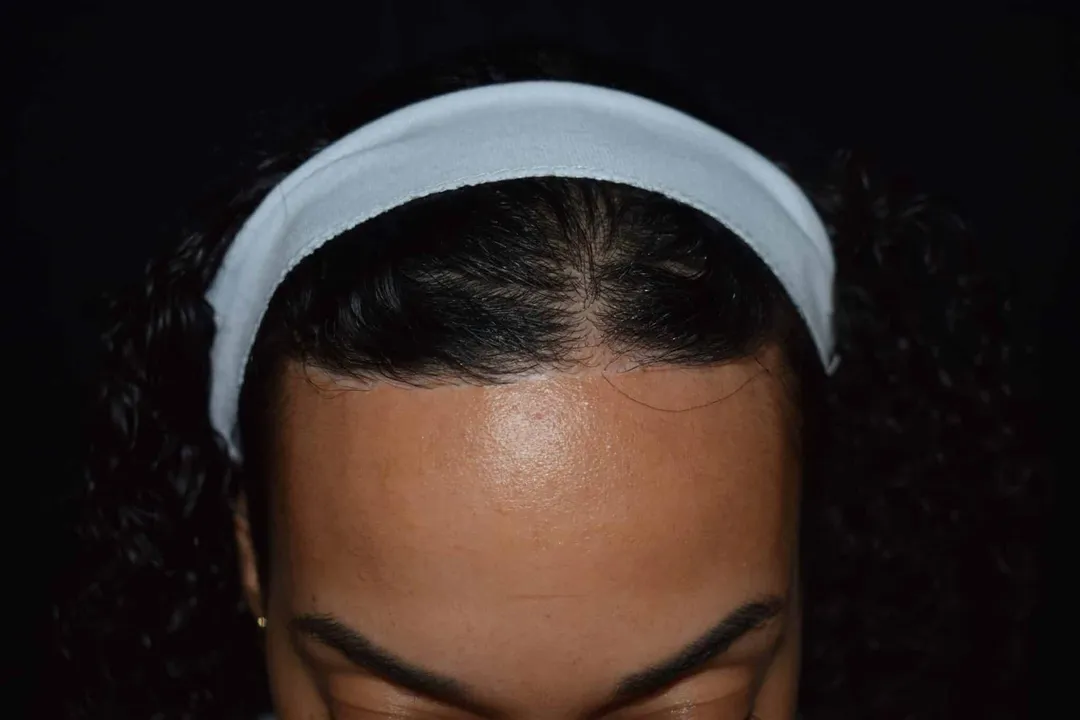
The recovery timeline involves distinct phases following the surgery. After the initial shedding (weeks 2-8) and a period of internal healing known as dormancy (months 2-3), the biological process reverses, and the follicles awaken. The first visible indication that the healing is progressing and that the shock has subsided is the appearance of new growth. This initial emergence usually occurs around the three- to four-month mark post-operation. It is important to note that these first emerging hairs are often described as fine, wispy, and may exhibit variations in texture or color compared to the patient's mature, natural hair.
#Videos
Shock Loss After a Hair Transplant?
Related Questions
What is the typical timeframe when patients begin experiencing noticeable shock loss following a hair restoration procedure?Which hair growth cycle phase are hairs prematurely forced into due to the physical stress of the surgery causing shock loss?When observing shock loss in the Transplanted Area (Recipient Site), what critical component is actually implanted versus what part is shed?What fundamental difference separates temporary Shock Loss from permanent True Graft Failure regarding the follicular unit?In terms of shedding location, where does the thinning often feel more drastic to patients because it involves pre-existing hair?What is the expected timeline for achieving stable, final results for a hair transplant, especially in areas like the crown or vertex?Besides Follicular Unit Extraction (FUE) or Follicular Unit Transplantation (FUT), what other types of scalp procedures can induce shock loss?In a normal, undisturbed scalp environment, what typical percentage of hairs are found in the resting (telogen) phase?When does the emergence of new, fine hair growth typically begin following the dormancy period after a hair transplant?What patient action is recommended during the critical months one through three, rather than focusing solely on cosmetic density loss?