How long does a cold shock last?
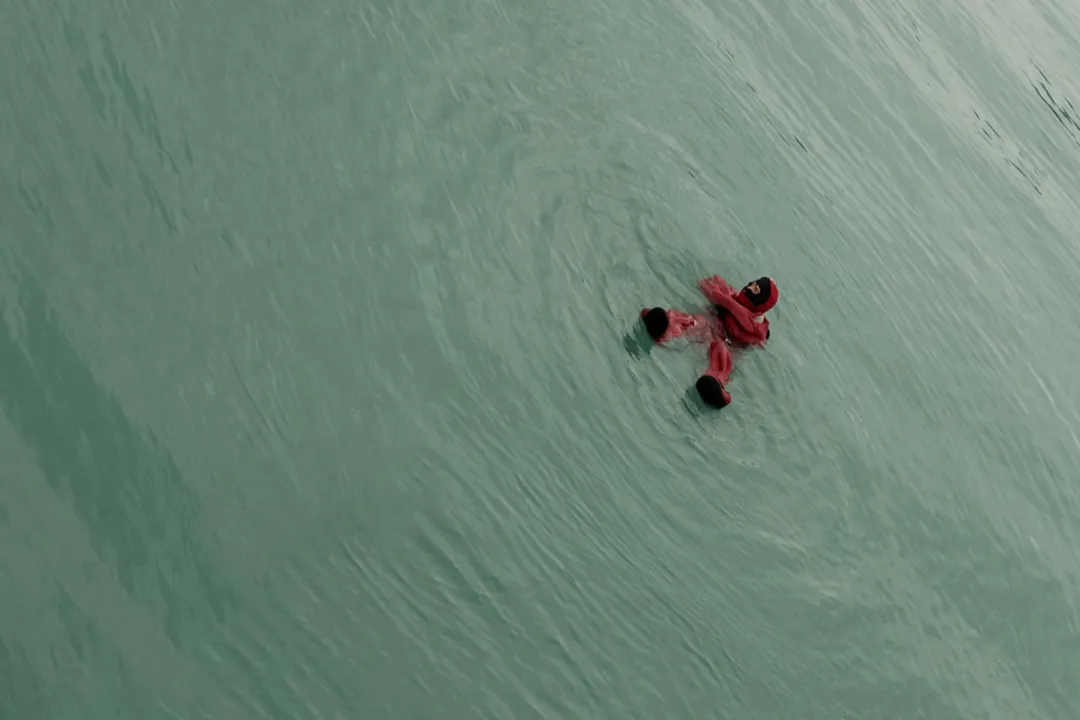
The immediate danger following unexpected immersion in cold water is not the slow onset of freezing, but an involuntary physiological storm known as the cold shock response. This initial reaction is violent, brief, and can rapidly lead to death if a person is unable to keep their head above water during those crucial first moments. Understanding exactly how long this primary shock lasts is essential for anyone engaging in water sports or working near cold bodies of water.
# Immediate Timeframe
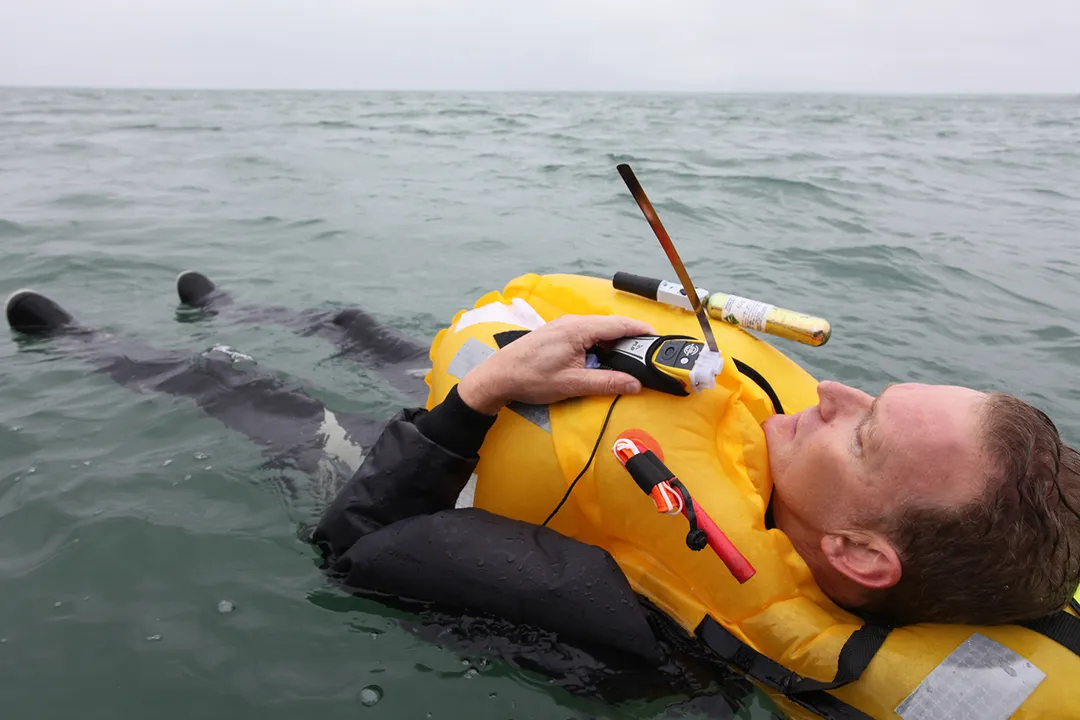
The consensus among safety experts is that the acute phase of cold shock response (CSR) is incredibly short, typically persisting for only the first one to three minutes after immersion. This period is defined by involuntary physiological reactions designed to cope with a sudden, massive thermal shock to the body.
The most alarming manifestations during this brief window are gasping and hyperventilation. When cold water hits the face and triggers the mammalian dive reflex, the body demands a massive, uncontrollable inhale, known as the gasp reflex. If the head is submerged when this involuntary gasp occurs, the individual can inhale water immediately, leading to drowning before any other harmful effects of the cold even begin to manifest. Simultaneously, the heart rate and blood pressure spike dramatically as the body reacts to the thermal insult. Given that these events—gasping, uncontrolled breathing, and circulatory changes—occur within seconds of entry, the duration of this critical response is measured in mere minutes.
# Motor Loss
What often confuses people is that once the initial gasping subsides, the danger does not vanish; it simply transforms into the next stage, Cold Incapacitation. This is where the duration of the shock ends and the duration of incapacitation begins. This secondary phase typically lasts for five to fifteen minutes.
During Cold Incapacitation, the extreme cooling of the skin and underlying tissues causes a rapid cooling of the peripheral nerves and muscles in the limbs. This results in a significant, rapid loss of dexterity and strength in the arms and legs. An individual might still be conscious and able to think clearly, but they will find it physically impossible to perform the fine motor skills required to pull themselves onto a flotation device or even tread water effectively. The transition between the gasping shock (1-3 minutes) and the functional paralysis (5-15 minutes) is often subtle, making it difficult to gauge when the immediate life-threatening reflex has passed but the ability to self-rescue is rapidly diminishing. If a person is wearing a lifejacket, staying calm during the initial 1-3 minutes becomes paramount because they are protected from drowning while their body transitions into this incapacitation phase.

# Temperature Influence
The actual duration and severity of the cold shock response are highly dependent on the water temperature, although the reflexive part remains fixed in the 1-3 minute window. Water below () is generally considered cold enough to elicit a severe shock response.
Consider the difference in experience: immersion in frigid water, such as that near freezing, will induce the maximum gasp reflex almost instantly. In warmer, though still cold, waters—like Lake Tahoe in the summer where temperatures might hover around ()—the shock reaction might begin within a minute of contact, but the ensuing functional loss might be slightly slower to set in compared to immersion in water. While the physiological trigger timeline is consistent, the rate at which heat is lost and incapacitation sets in scales directly with how much colder the water is relative to the body's core temperature.
| Water Temperature (Approximate) | Initial Shock Duration (Gasp/Hyperventilation) | Incapacitation Onset (Motor Loss) | Primary Danger |
|---|---|---|---|
| () | $1-3$ minutes | $5-15$ minutes | Immediate drowning or rapid hypothermia |
| () | $1-3$ minutes | $15-30$ minutes | Drowning risk, followed by incapacitation |
| () | $1-3$ minutes | $30$ minutes + | Slower onset of incapacitation/hypothermia |
It is important to recognize that while the shock response is fleeting, the window for action is even shorter. If you are unable to control your breathing within the first 30 to 60 seconds, the chances of a successful self-rescue decline sharply.
# First Minute Control
Safety protocols often center on the "1-10-1 Principle" when dealing with cold water exposure. The first number, one, highlights the critical nature of the first minute when cold shock is in full effect. This strategy dictates that the first minute is dedicated solely to managing the involuntary reflex, not to making escape plans or swimming for shore.
The best defense against the cold shock is deliberate preparation, especially if one expects to be near or in cold water, such as while boating or kayaking. Before ever entering water below , practice the mental command to hold your breath during the initial immersion, even as your body screams to gasp. If immersion is accidental, the primary goal must be to forcefully suppress the urge to breathe rapidly, focusing instead on slow, measured exhalations until the initial, violent hyperventilation passes—which should take less than a minute or two. Treating the first 60 seconds as a non-negotiable breath-holding drill, separate from all other rescue actions, significantly increases the odds of surviving the shock phase intact.

# Beyond The Shock
A common misunderstanding is conflating the cold shock response with hypothermia. While both are deadly consequences of cold water, they operate on vastly different timescales. Cold shock is a nervous system and circulatory event lasting minutes; hypothermia is a systemic drop in core body temperature that takes much longer to become fatal, though it is accelerated by immersion.
The dangerous element of Cold Incapacitation, which follows the initial shock, is that the loss of fine motor control in the hands (the inability to grip or pull) usually sets in before significant core body temperature drop that defines hypothermia. A person can be minutes away from a fatal core temperature drop but already be physically incapable of unzipping a survival suit or grabbing a line due to the cooling of their limbs. Therefore, safety planning must address two distinct time horizons: surviving the reflexive shock (minutes 0-3), and maintaining enough physical function to self-rescue before cold incapacitation sets in (minutes 3-15). Recognizing that the physical inability to act can occur while one is still mentally alert is a key difference from the lethargy that sets in later with true hypothermia. People often overestimate how long they can effectively swim or swim towards safety, failing to account for the rapid 5-15 minute window where swimming ability is severely compromised by cold neuromuscular failure.
Related Questions
#Citations
The Four Stages of Cold Water Immersion—Stages 1 and 2 - Boat Ed
Cold shock response - Wikipedia
Cold Water Safety - Washington State Parks
Cold Shock - cold water safety
Cold Water Shock: Causes, Symptoms, Treatment and Prevention
Know Lake Tahoe before you jump in: The facts of Cold Water Shock
How cold water kills so quickly | National Fisherman
Cold Water Shock and Hypothermia
1-10-1 Principle - Canadian Safe Boating Council