What is the main cause of hair loss?
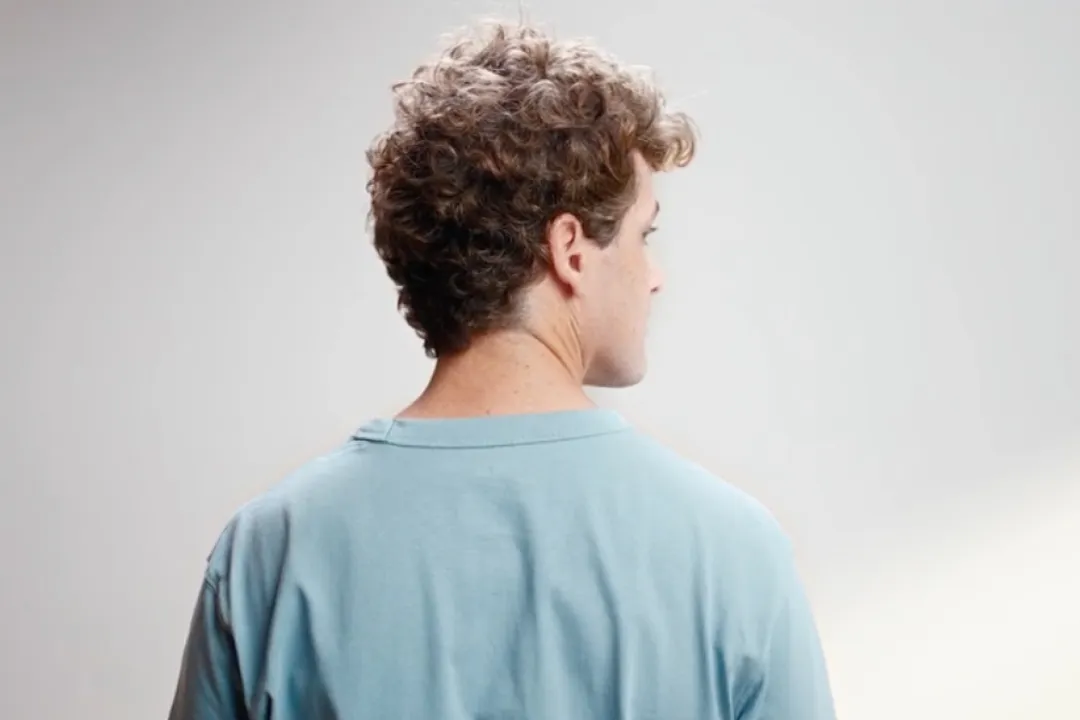
Hair loss, medically known as alopecia, presents in many forms and originates from a surprisingly diverse array of underlying factors, making a single "main cause" an oversimplification for many individuals. [2][9] While genetics often gets the headline billing, the reality is a complex interplay between inherited predispositions, sudden systemic shocks, hormonal fluctuations, and even nutritional shortfalls. [1][3] Pinpointing the exact trigger often requires careful observation of the pattern of loss and understanding the timeline of recent health events. [7]
# Pattern Hair Loss

The most common culprit, particularly when hair thinning occurs gradually over time, is a hereditary condition known as androgenetic alopecia, often referred to as male or female pattern baldness. [1][3][7] This condition is driven by genetics and the effect of specific hormones. [4]
In men, this typically manifests as a receding hairline or thinning at the crown, while in women, it usually appears as a diffuse thinning over the top of the scalp, though the frontal hairline is often preserved. [1][3] The mechanism involves a byproduct of testosterone called dihydrotestosterone (DHT). [9] For genetically susceptible hair follicles, DHT causes them to shrink over time, a process called miniaturization, leading to shorter, finer hairs until the follicle eventually stops producing hair altogether. [1][4] This form of hair loss is progressive and related to the genetic inheritance from both sides of the family. [7]
# Hormonal Shifts

The delicate balance of the endocrine system plays a significant role in maintaining the hair growth cycle, and disturbances can easily trigger shedding. [4] For example, a major shift in estrogen levels, such as what occurs after childbirth or during menopause, can cause significant temporary hair shedding, a condition known as telogen effluvium, though the initial cause is hormonal fluctuation. [1][7]
Thyroid issues are another major hormonal factor. Both an overactive (hyperthyroidism) and an underactive (hypothyroidism) thyroid gland can disrupt normal hair cycling, resulting in generalized thinning across the scalp. [1][3][4] Addressing the underlying thyroid disorder is typically necessary for hair regrowth to resume normally. [8]
# Autoimmune Attack
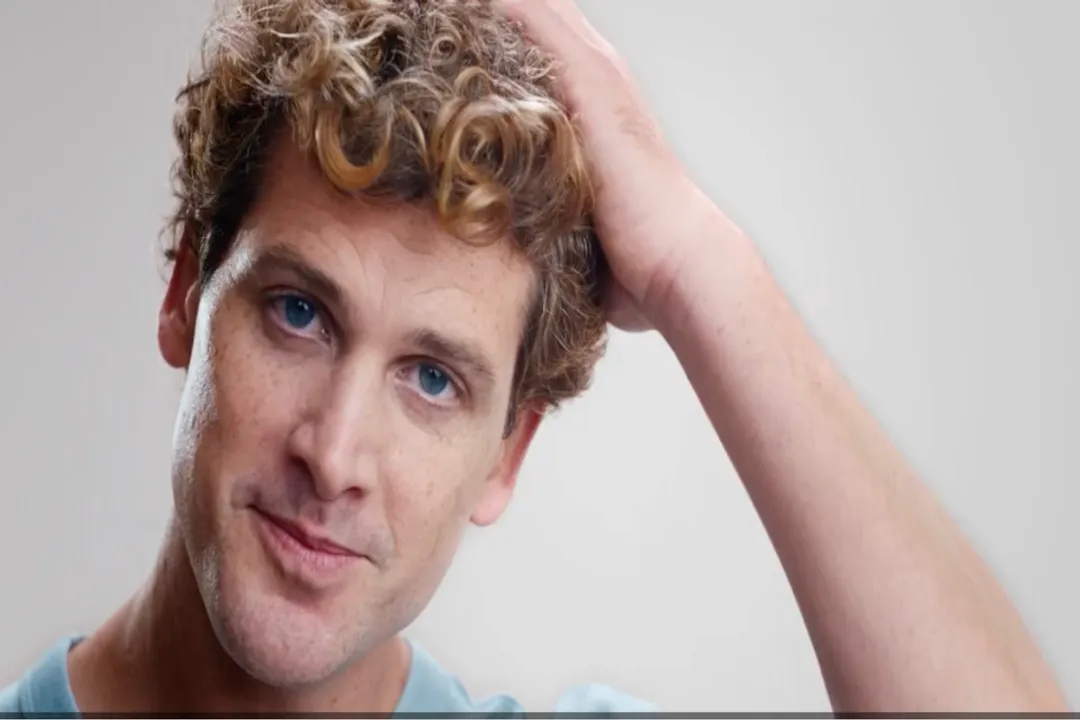
When the body’s own immune system mistakenly targets its healthy cells, hair loss can result. [4] The most recognized form of this is alopecia areata. [1] This condition causes the immune system to attack the hair follicles, often resulting in smooth, coin-sized, circular patches of hair loss on the scalp or elsewhere on the body. [3][8] While it can sometimes resolve on its own, it can occasionally progress to total scalp hair loss (alopecia totalis) or total body hair loss (alopecia universalis). [4]
# Stress Response
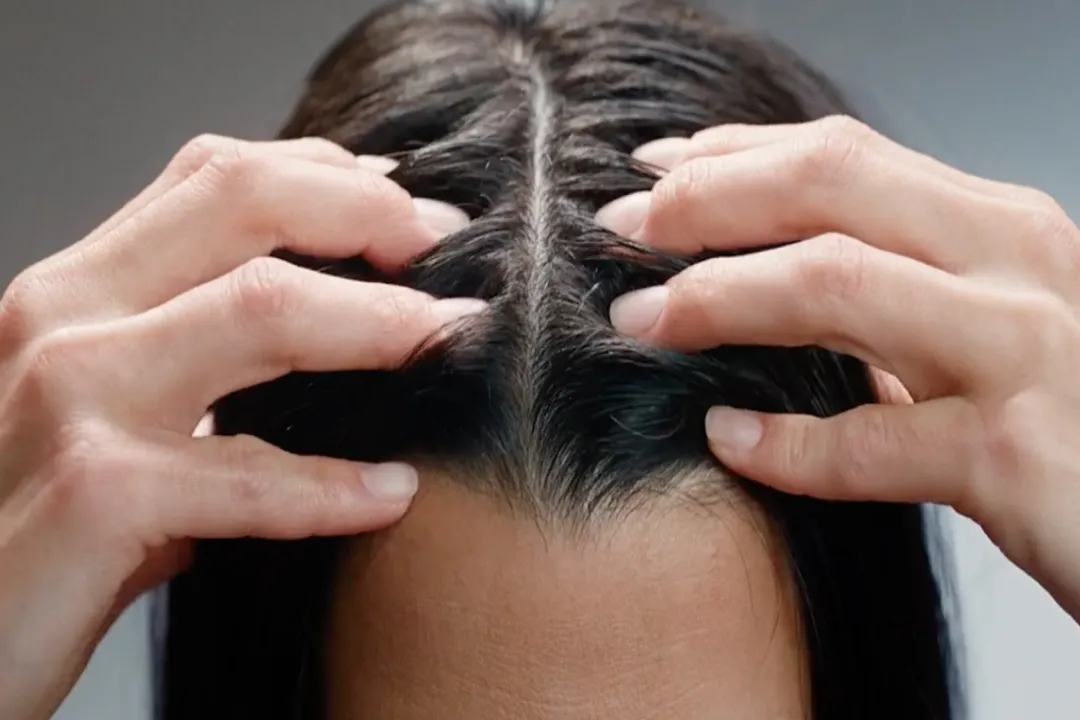
Hair follicles operate on a cycle: growing (anagen), resting (catagen), and shedding (telogen). [9] Certain severe physical or emotional stresses can prematurely push a large percentage of growing hairs into the resting and subsequent shedding phase, leading to noticeable thinning several months later. [1][4] This reaction is known as telogen effluvium. [7]
The trigger for this shedding isn't the event itself, but the shockwave it sends through the body, which might include high fever, severe infection, major surgery, significant blood loss, or extreme psychological stress. [1][8] Weight loss that is rapid or severe can also act as a major shock to the system sufficient to initiate this shedding process. [7] It is important to recognize that the hair loss typically appears two to three months after the stressful event. [7]
# Tracking Stress Triggers
When managing suspected telogen effluvium, a simple retrospective analysis can be very revealing. If you suspect stress is the culprit, try to map out major physical or emotional disruptions from four months prior to the current shedding. For instance, if you notice increased shedding starting in October, look back to July for a major illness, a high-pressure project deadline, or a significant life change. This delay is key to distinguishing it from genetically driven loss which is constant. [7]

# Physical Trauma
Beyond systemic stress, direct physical trauma to the hair or scalp can cause localized or generalized loss. [1]
Traction Alopecia is a direct result of chronic pulling force on the hair follicle. [1][4] This often happens due to consistently wearing very tight hairstyles, such as tight ponytails, braids, cornrows, or hair extensions. [4] If caught early, reversing the tight styling often allows the hair to recover, but prolonged tension can lead to permanent follicle damage and scarring. [1]
# Medications and Treatments
A vast number of prescription and over-the-counter drugs list hair loss as a possible side effect. [3][7] The mechanism varies, but they often interfere with the normal hair growth cycle. [1]
Common culprits include:
- Drugs used to treat cancer, such as chemotherapy agents, which halt the rapid cell division required for hair growth. [1][4]
- Medications for high blood pressure (beta-blockers and ACE inhibitors). [3]
- Blood thinners (anticoagulants). [3]
- High doses of Vitamin A or certain birth control pills. [3]
- Drugs used to treat arthritis, depression, heart problems, or gout. [1]
When a new medication is started, it is vital to maintain open communication with the prescribing physician about any subsequent hair changes, as stopping or switching the drug might reverse the shedding, though this requires medical guidance. [4]
# Nutritional Deficiencies
Hair is primarily composed of protein, and like any rapidly dividing tissue, it requires a steady supply of essential nutrients to grow optimally. [5] Deficiencies in certain vitamins and minerals are a well-documented cause of thinning hair, which can sometimes look similar to telogen effluvium or even pattern baldness in its appearance. [3]
Key deficiencies implicated in hair loss include:
- Iron: Iron deficiency, or anemia, is a frequent finding in individuals experiencing hair shedding, particularly women of childbearing age. [1][5]
- Protein: Insufficient protein intake can force the body to ration this vital building block, shutting down non-essential processes like hair growth. [5]
- Zinc and Biotin: Deficiencies in these micronutrients can also disrupt the hair matrix. [3]
If a person's diet is severely restrictive, for example, due to an eating disorder, crash dieting, or simply an unbalanced intake lacking sufficient meat, fish, dairy, or legumes, the lack of raw materials will inevitably impact hair quality and density. [5]
# Scalp Conditions
The health of the scalp skin is foundational to healthy hair growth. [8] Certain conditions primarily affect the skin environment itself, leading to hair loss through inflammation or destruction of the follicle structure.
Fungal infections, such as tinea capitis (ringworm of the scalp), can cause patchy hair loss often accompanied by scaling, redness, and sometimes painful sores. [1][4] This is contagious and requires specific antifungal treatment. [8]
More concerning are conditions that cause scarring, known as cicatricial alopecia. [4] These inflammatory disorders destroy the hair follicle and replace it with scar tissue, meaning the loss is generally permanent. [8] Examples include lichen planopilaris or discoid lupus erythematosus. [4] In these cases, early diagnosis by a dermatologist is critical to halt the inflammatory destruction. [8]
# Complexities and Overlap
It is rare for a single factor to be solely responsible, especially in chronic cases. [6] For instance, a person might have the genetic predisposition for androgenetic alopecia. [4] If that person then experiences a stressful period, like a major surgery, the resulting telogen effluvium will exacerbate the existing genetic thinning, making the overall hair loss appear much more severe and rapid than either factor would cause in isolation. [1]
If you consider the combination of factors, you can better understand why diagnosis can be tricky. Imagine a post-menopausal woman (hormonal changes) who has recently started a new prescription for high blood pressure (medication side effect) and also struggles to eat enough iron-rich foods (nutritional deficiency). Each of these elements is applying pressure on the hair growth cycle simultaneously. [3][4] When reviewing potential causes, it is helpful to look at the type of loss—is it diffuse thinning (often systemic/hormonal/TE), or is it localized thinning on the crown (often genetic)?. [1][7]
# Actionable Diagnostic Step
When evaluating recent changes, it can be immensely helpful to create a timeline focusing on the start date of the shedding versus the start date of any potential trigger. For non-genetic hair loss (like TE, medication side effects, or nutritional deficits), there is often a lag. If you stopped a medication in June but the shedding only became noticeable in August, that lag time is a vital clue for your healthcare provider, pointing toward the established delay mechanisms of the hair cycle rather than an immediate reaction. [7] This precise tracking moves the diagnostic process from guesswork toward evidence-based assessment.
# Summary of Causes
While the primary driver is often genetic predisposition in the long term, [4] acute, noticeable shedding is frequently linked to external shocks or internal imbalances. [1]
A simplified table comparing major types of loss might look like this:
| Type of Loss | Primary Mechanism | Typical Pattern | Reversibility |
|---|---|---|---|
| Androgenetic Alopecia | Hormonal sensitivity (DHT) | Gradual thinning (patterned) | Slow/Manageable |
| Telogen Effluvium | Systemic stress shock | Diffuse shedding | Usually temporary/good regrowth |
| Alopecia Areata | Immune system attack | Smooth, circular patches | Variable |
| Traction Alopecia | Physical pulling force | Along the hairline/where tension is applied | Good if caught early |
| Nutrient Deficiency | Lack of building blocks | Diffuse thinning | Reversible with supplementation |
It is important to remember that hair loss can also be psychological; conditions like trichotillomania involve an irresistible urge to pull out one's own hair, creating irregular bald patches. [1][4]
Ultimately, determining the main cause of hair loss requires an assessment by a professional, such as a dermatologist, who can perform blood tests to check for deficiencies or thyroid issues, examine the scalp for signs of inflammation or scarring, and review your medical history to differentiate between the many avenues that can lead to less hair. [1][8] Understanding the breadth of possibilities, from the inherited blueprints to the temporary impact of a severe flu, helps frame the conversation when seeking effective treatment. [3][6]
Related Questions
#Citations
Hair loss - Symptoms and causes - Mayo Clinic
Hair Loss: Causes, Treatments and Prevention Options
10 Common Causes for Hair Loss - GoodRx
Hair loss: Who gets and causes - American Academy of Dermatology
What Causes Hair Loss & Baldness? 4 Potential Reasons Explained
Common Causes of Hair Loss | Dermatology - JAMA Network
Hair Loss | Kaiser Permanente
Hair Loss | Johns Hopkins Medicine
Hair loss - Wikipedia