What is shock loss?
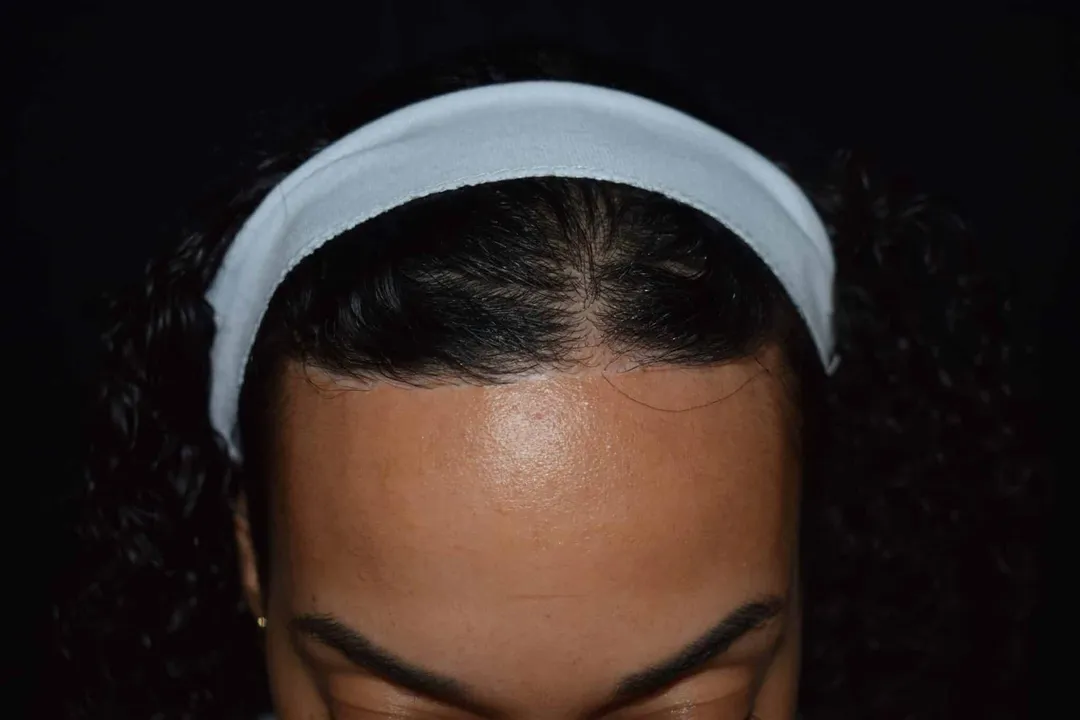
The experience of watching hair fall out following a procedure designed to increase hair density can be alarming, often leading patients to immediately assume the surgery failed. This sudden shedding is medically recognized as shock loss, a temporary condition where hair falls out in the weeks following trauma to the scalp, whether that trauma is an incision, extraction, or general surgical manipulation. [1][3][5] It is a common, albeit unsettling, byproduct of hair restoration techniques like Follicular Unit Extraction (FUE) or Follicular Unit Transplantation (FUT). [7][10] Understanding this process is key to maintaining peace of mind during the initial stages of recovery.
# Hair Trauma

Shock loss occurs because the physical stress of the surgery disrupts the natural life cycle of the hair follicle. [4][5] The scalp tissue, the follicular units, and the surrounding skin structures are subjected to a significant, localized event. [7] This disruption forces hairs that are currently in the growing phase (anagen) or transition phase (catagen) prematurely into the resting or shedding phase, known as telogen. [4][9]
This reaction isn't unique to hair transplants; it can happen following other scalp surgeries, such as scalp reductions or lifts, where the tissues are manipulated or subjected to new tension. [3] Essentially, the body initiates a temporary shutdown or reset for hairs located near the site of injury, prioritizing healing over sustained growth for those specific shafts. [5]
# Different Locations
A critical aspect of shock loss is distinguishing where the hair is falling from. [1][5] The shedding typically manifests in two distinct areas:
- The Transplanted Area (Recipient Site): The newly implanted grafts themselves may shed their existing hair shafts. [1][10] It is vital to remember that when a surgeon implants a graft, they are transplanting the follicle—the living root structure—not the visible hair shaft itself. [5][7] The shaft that falls out is merely the temporary exterior part, while the bulb remains beneath the skin, ready to produce new hair. [3][9]
- The Surrounding Area (Native Hair): Often, the more visible shedding occurs in the existing, non-transplanted hair surrounding the recipient zone. [1][6][10] This happens because the minor inflammatory response and the physical manipulation during the procedure shock these nearby follicles into the telogen phase. [4]
For many patients, seeing the native hair thin out temporarily feels more drastic than watching the implanted hairs shed their shafts, as the native hair was the area they were trying to save or improve in the first place. [10]
# Shedding Timeline
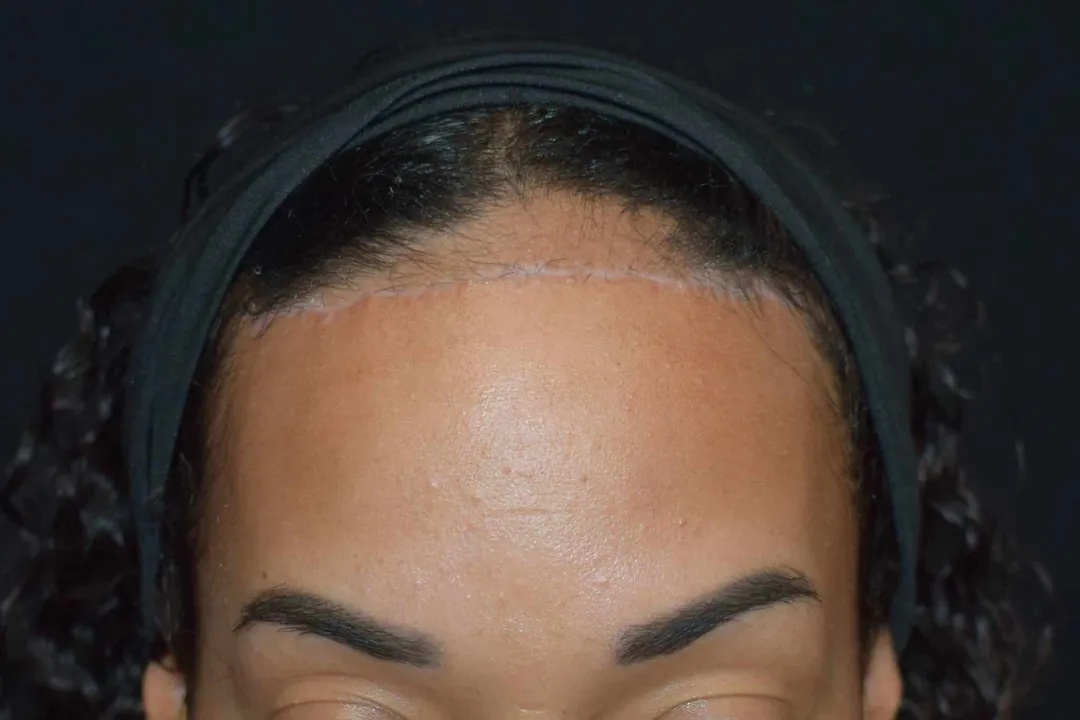
The timing of shock loss is generally predictable, which can help reassure patients during the waiting period. [4][10] While individual healing varies, most patients begin experiencing noticeable shedding approximately two to eight weeks after the procedure. [1][4][5][7] The shedding phase is not indefinite; usually, the loss plateaus and stops within a few weeks after it begins. [4][10]
Imagine the scalp as a complex, tightly regulated garden. The surgical event is like a heavy rainstorm that temporarily knocks many blooms off their stems. The stems remain rooted, but the immediate visible result is loss. [5] This temporary thinning generally reaches its nadir around the second or third month before the new growth cycle takes over. [9]
If you visualize the process, the shedding phase is a necessary cleanup. The body clears out the telogen hairs that were pushed into dormancy so that the new anagen phase can begin cleanly for both the transplanted and the shocked native follicles. [3][4]

# Growth Cycle
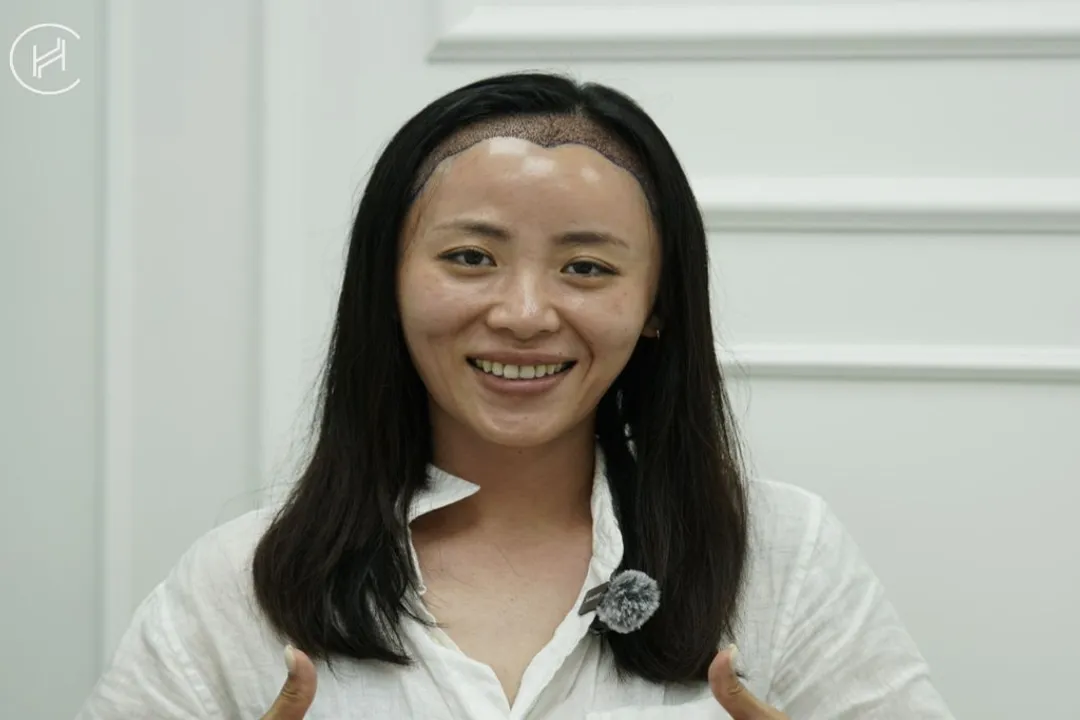
Understanding the normal hair growth cycle makes shock loss less frightening. Hairs cycle through three main stages: anagen (growth), catagen (transition), and telogen (resting/shedding). [9] Normally, only about 10% to 15% of scalp hairs are in the resting (telogen) phase at any given time. [4]
Surgery acts as a strong biological signal that prematurely pushes hairs into telogen. [5] For instance, a hair that was 80% through its anagen (growth) phase might be forced to stop growing and begin shedding within weeks, rather than months later naturally. [4] The transplanted follicles enter a synchronized resting period, and their existing shafts are shed. [7]
When the shock subsides, the process reverses. The follicles awaken, and their energy is directed toward initiating a new, healthy anagen phase. [3] This is when the first signs of new, fine growth begin to appear, usually around three to four months post-operation. [4][5][9]
# True Failure
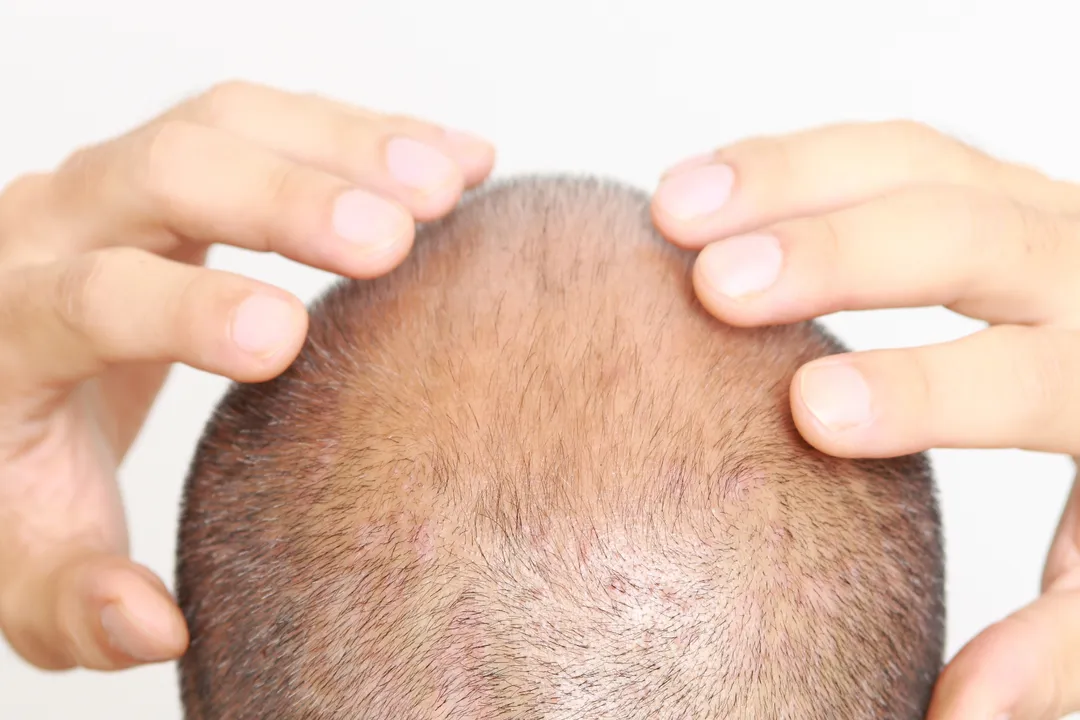
A common point of anxiety is confusing temporary shock loss with permanent graft failure. [7] This distinction is fundamental to managing expectations.
Shock Loss means the follicle is resting and will regrow. [3][5] It is a temporary cosmetic setback caused by trauma. [4]
True Graft Failure means the transplanted follicular unit did not survive the implantation process and is dead. [3][7] If a graft fails, no hair will ever grow back from that specific site. [5]
Surgeons monitor the success rate of their grafts, often expecting 90% or more survival. [7] If the entire transplanted area shows no signs of life by the six-month mark, or if the area where the hair fell out shows no activity after a year, that points toward potential failure rather than simple shock loss. [9] The key differentiator is the return of growth; if the hair returns, it was shock loss. [3]
| Characteristic | Shock Loss | True Graft Failure |
|---|---|---|
| Cause | Surgical trauma/stress | Follicle death/poor implantation |
| Permanence | Temporary; follicle remains | Permanent; follicle dies |
| Timing of Loss | 2-8 weeks post-op | N/A (Never grew in) |
| Regrowth Expectation | High, begins ~3-4 months | None |
| Effect on Native Hair | Causes temporary shedding | Does not affect native hair |

# Managing Shedding
While shock loss is largely an unavoidable physiological response, patient action during this phase is focused on supporting the environment for regrowth and minimizing further stress. [10]
One helpful way to approach the initial post-op period is to treat the scalp as a delicate seedling bed. The actual physical intervention is done, but now the patient must provide the right conditions for recovery. [1] Instead of focusing on the density loss you see in the mirror during months one through three, shift focus to the health of the overall scalp. Are you sleeping well? Are you managing stress? Are you taking the prescribed vitamins or supplements? These systemic factors play a larger role in the speed of recovery than any single topical treatment during this specific waiting period.
For native hairs experiencing shock, gentle handling is paramount. Avoid harsh scrubbing or aggressive towel drying until the shedding subsides. [1] Furthermore, when assessing the immediate aftermath, it is helpful to mentally map the areas. If you notice a distinct, localized patch where native hair fell out only in the immediate vicinity of the strip harvested or the dense recipient area, this strongly suggests shock loss, as diffuse, widespread shedding across the entire scalp unrelated to the procedure would signal a different underlying issue. [6] Keeping a log, even a simple photo diary taken weekly, can provide concrete evidence later that the hair that fell out did, in fact, return, offering reassurance when the mirror looks sparse. [4]
# Regrowth Process
The waiting period following the initial shock can feel agonizingly long, especially when density has temporarily decreased. [9] The overall timeline for seeing final results is quite extended, often spanning a full year or more. [4][9]
The process typically unfolds as follows:
- Shedding Phase: Weeks 2 through 8 (or 10) post-surgery.
- Dormancy/Rest: Months 2 through 3. Minimal visible change, though healing is occurring internally.
- Initial Emergence: Starting around month 3 or 4, fine, thin hairs begin to push through the skin. [5][9] These initial hairs are often wispy and may have different textures or colors than the final mature hair. [4]
- Maturation: Months 5 through 12. The fine hairs gradually thicken, gain color, and begin to assume their permanent texture and caliber. [9]
- Final Assessment: Results are generally considered stable around 12 to 18 months, particularly in the crown or vertex areas. [4][9]
The hair that returns from shock loss in the native hair zone will eventually look just as it did before the procedure, provided the underlying scalp health remains stable. [1] Since the follicle itself was not damaged, its subsequent growth cycle is programmed to return to its normal terminal hair state. [3][5] Patience is not just a virtue here; it is a mandatory component of the recovery schedule.
#Videos
Shock Loss After a Hair Transplant?
Related Questions
#Citations
What To Expect From Shock Loss After A Hair Transplant
Sudden hair loss after hair transplant : what is a "Shock Loss"
Shock Hair Loss After Scalp Surgery
Understanding Shock Hair Loss: Causes & Management
What Is Shock Loss? - Northwestern Hair Transplant
Shock Loss After a Hair Transplant?
Shock Loss After Hair transplant Photos
What is Shock Hair Loss After Surgery? - Articles
Shock Loss After Hair Transplant
Shock Loss After Hair Transplant Surgery