Is flounder good for weight loss?
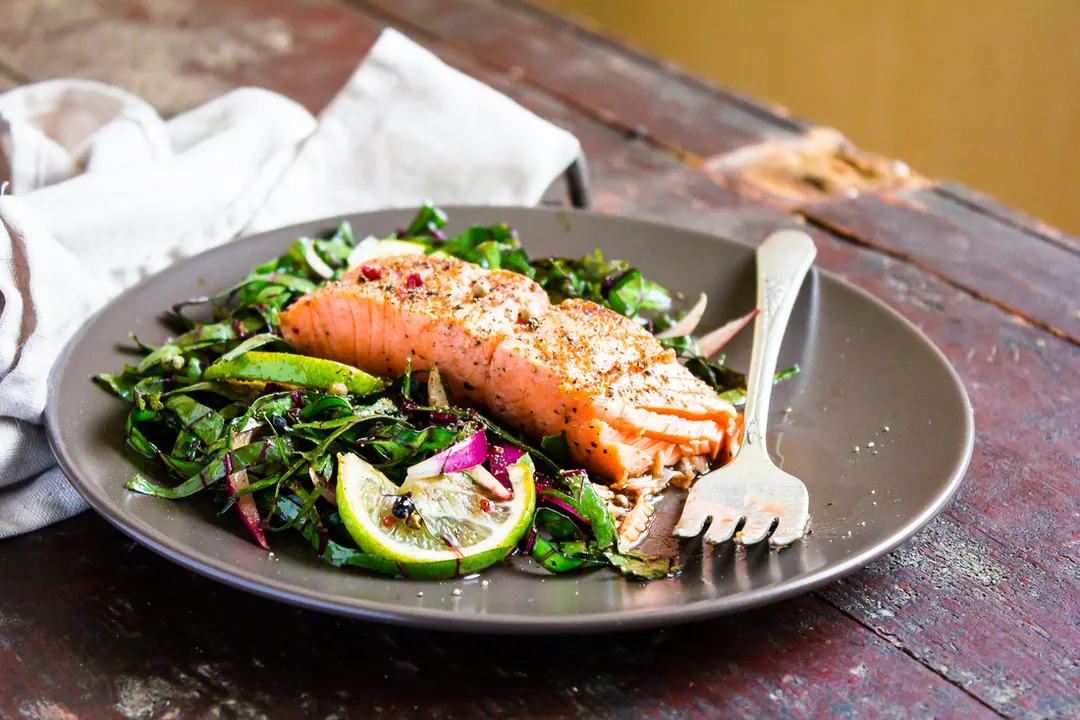
Flounder presents a compelling case when examining dietary choices aimed at managing body weight, primarily because it sits in a sweet spot of being genuinely low in calories while delivering a significant protein punch. [1][4] It often gets overshadowed by flashier seafood options, yet its nutritional density makes it an underrated protein contender for anyone focused on shedding pounds. [1][2] For those actively tracking intake to maintain a caloric deficit, flounder's profile is remarkably favorable. [8]
# Protein Power
The foundation of any successful weight management strategy often rests on adequate protein consumption. Protein is well-known for its ability to increase feelings of fullness, which naturally helps manage overall calorie intake throughout the day. [1][4] Flounder is frequently highlighted specifically because it delivers this satiety factor without accompanying high levels of saturated fat found in some other animal proteins. [3][7]
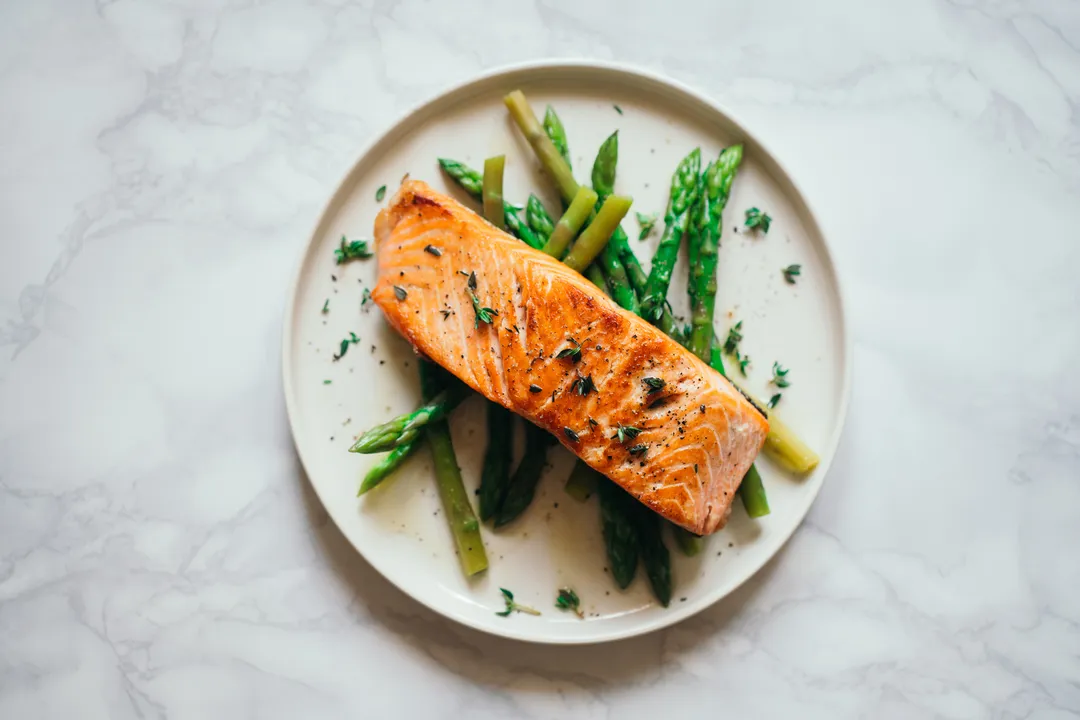
When you look at flounder, you are looking at a very lean source of protein. [6][7] This characteristic is vital. If you compare flounder to a fattier fish like farmed salmon, for example, you can build a meal of similar volume using fewer calories from the flounder, allowing those calories to be allocated elsewhere—perhaps toward nutrient-dense vegetables or healthy complex carbohydrates. [1] While salmon offers superior Omega-3 levels, which are also beneficial, flounder still contains these healthy fats, just in smaller quantities, offering a leaner baseline option for highly restrictive diets. [3][7] This distinction is important: if your primary, immediate goal is maximizing protein per calorie, a white fish like flounder provides an excellent template for success. [1]
# Caloric Efficiency
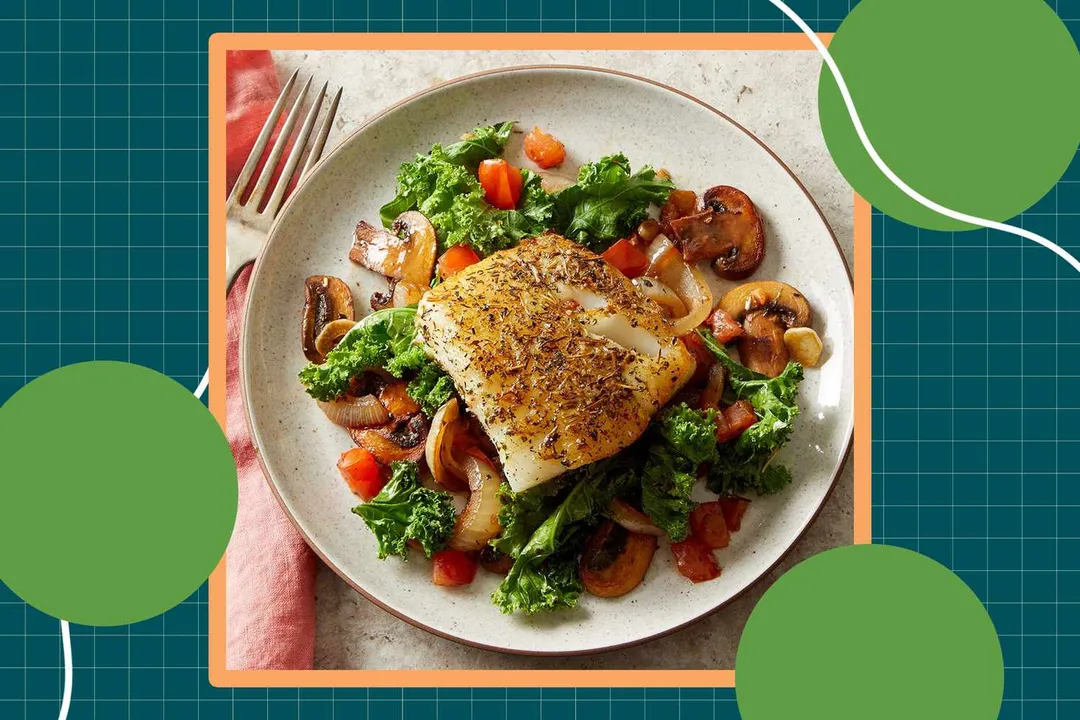
The low-calorie nature of flounder is perhaps its biggest asset in the weight-loss arena. A serving of flounder, when prepared simply, keeps the energy density very low. [4] Consider the impact this has on meal planning. If a standard 4-ounce portion of cooked white fish like flounder hovers around 100 to 120 calories (a typical range for very lean fish), that allows a dieter significant flexibility. [1] For instance, pairing that same 100-calorie protein source with a massive serving of steamed broccoli or cauliflower can create a plate that looks and feels substantial, promoting psychological satisfaction alongside physical fullness, all while keeping the total meal under 200 calories. [8] This concept of volume eating, where food bulk aids satiety, is perfectly supported by incorporating extremely low-calorie, high-protein ingredients like flounder. [8]
It’s not just about being low in calories; it's about what you aren't eating. By choosing flounder over options coated in breading or swimming in butter sauces, you are actively avoiding significant sources of unnecessary refined carbohydrates and unhealthy fats that quickly derail weight loss efforts. [5] Flounder itself is the clean slate; the preparation method determines the final outcome. [6]
# Essential Nutrients
Weight loss diets often risk becoming nutritionally sparse if they focus too heavily on restriction without attention to micronutrients. Flounder helps combat this potential pitfall by offering several key vitamins and minerals essential for overall metabolic health. [7]
Key nutrients found in flounder include:
- Vitamin B12: Necessary for proper nerve function and the formation of red blood cells. [7]
- Phosphorus: Works with calcium to build strong bones. [7]
- Selenium: An important antioxidant that supports thyroid function, which is closely tied to metabolism. [7]
Furthermore, it provides those coveted Omega-3 fatty acids. [3][7] While a fattier fish will provide more, flounder still contributes to your intake of these anti-inflammatory fats, which are important for heart health—a critical component of long-term wellness, which underpins successful, sustainable weight management. [3] You are getting more than just 'filler' protein; you are getting foundational nutrition. [7]
# Preparation Matters Most
While the raw material—flounder—is excellent for weight loss, how you transform it in the kitchen is the deciding factor. This is where many people slip up, turning a perfectly lean protein into a calorie bomb. Flounder’s mild flavor and delicate texture mean it readily absorbs whatever it is cooked in. [6]
If you bake, grill, steam, or poach flounder, you preserve its low-calorie structure, making it an ideal weight-loss staple. [5][6] A simple squeeze of lemon, fresh herbs, and a dash of pepper maintains the integrity of the nutritional profile. [1]
However, if you default to deep-frying or pan-frying in excessive amounts of oil or butter, those added fats and calories rapidly accumulate, potentially pushing the dish into the same caloric range as a much larger portion of a naturally fattier protein. [5] It is an important distinction for those seeking efficient weight loss: the fish itself supports the goal, but the cooking process can undermine it completely. [1][6] Think of flounder as the engine of a low-calorie meal; you must ensure the fuel you add (oils, coatings) is managed carefully. [1]
# Sourcing and Sustainability
For the conscientious consumer committed to long-term healthy eating, where the food comes from adds another layer to its value proposition. For instance, Alaska Flounder and Sole are specifically noted for being both nutritious and sustainably sourced. [10] Choosing sustainably managed fisheries supports environmental health, which aligns with a broader commitment to long-term well-being, far beyond just the number on the scale. [10]
When evaluating fish options for health, dietitians often advise prioritizing seafood that is low in mercury, and white fish generally fit this description well compared to larger predatory species. [6] Flounder's smaller size contributes to this lower potential for heavy metal accumulation, offering a safer option for frequent consumption, which is beneficial when building a consistent, healthy diet. [3][6]
# Creating a Weight Loss Plate
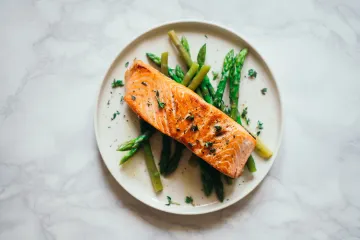
To integrate flounder effectively, structure your meals around its lean qualities. A practical approach centers on portion control and volume pairing. Start with a standard 4 to 6-ounce portion of cooked flounder. [1] This serves as your lean anchor. Next, select two large servings of non-starchy vegetables—think large salads, roasted Brussels sprouts, or steamed asparagus. This volume fills your stomach effectively. [8] Finally, add a small serving of a complex carbohydrate if your plan requires it, such as half a cup of quinoa or sweet potato.
This simple assembly—lean protein, high-volume vegetables, moderate complex carb—is a structure that naturally supports weight management, and flounder fits perfectly into the first category without adding unnecessary caloric load. [5] By consistently reaching for this template with flounder as the base, you build dietary habits that favor caloric restriction without sacrificing satisfaction. [1][4] A high-protein, low-calorie fish minimizes the effort required to meet protein goals while staying within a calorie budget, making adherence easier over weeks and months.
Related Questions
#Citations
The #1 Underrated Protein for Weight Loss, According to Dietitians
The #1 Underrated Protein for Weight Loss, According to Dietitians
What Are the Health Benefits of Flounder? - WebMD
Low in calories and high in protein and healthy fats, flounder checks ...
What Are the 12 Best Fish to Eat for Weight Loss? - Knownwell
Fish to Eat for Health: Dietitian Advice - UnityPoint Health
Unveiling the Health Benefits of Flounder: A Nutrient-Packed ...
I feel full! 200 calories: flounder, cauliflower rice and spinach. Who ...
Low in calories and high in protein and healthy fats, flounder checks ...
Healthy and sustainable farmed Alaska flounder & sole