Is cuttlefish good to eat for weight loss?
When considering dietary adjustments for weight management, the focus often lands on easily accessible protein sources, and seafood frequently rises to the top of the list. Cuttlefish, a fascinating cephalopod often overshadowed by its more famous relatives, squid and octopus, presents a compelling case as a highly nutritious, low-energy-density food that can support fat loss goals. Its profile suggests it is an excellent addition to a calorie-controlled eating plan due to its high concentration of protein paired with relatively low levels of fat and total calories.
# Caloric Snapshot
Understanding the caloric load of any food is foundational to weight loss planning. Cuttlefish generally stands out as a lean option. Data compiled from various nutritional analyses suggest that a standard 100-gram serving of raw cuttlefish hovers around the 80 to 95 calorie mark. For instance, some analyses place raw cuttlefish at approximately 82 calories per 100 grams, providing about 16 grams of protein and less than 2 grams of fat. Other measurements for 100 grams of raw material estimate the count slightly higher, around 92 calories. When cooked, the numbers can shift based on the cooking method, but even a 100-gram portion of cooked cuttlefish often remains low, sometimes cited around 120 calories, while the protein content sees a noticeable increase to over 21 grams. This low energy density means you can consume a substantial portion for relatively few calories, which is key for maintaining the necessary calorie deficit for shedding excess weight.
# Protein Density
The most significant factor making cuttlefish favorable for weight loss is its high protein content. Protein is crucial because it promotes satiety—the feeling of fullness—which naturally helps reduce overall calorie intake throughout the day. Comparing its protein yield to its low-calorie count reveals an excellent ratio. Across different measurements, 100 grams of cuttlefish consistently delivers between 16 to over 21 grams of protein. To put this into perspective, consuming a substantial 200-gram fillet (a generous portion for a main course) could easily provide over 30 grams of protein while staying well under 200 calories, assuming minimal added fat during preparation. This high protein intake supports muscle maintenance, which is vital when actively trying to lose body fat, as preserving muscle mass helps keep the resting metabolic rate healthier.
# Essential Nutrients
Weight loss is not solely about cutting calories; it requires fueling the body with the necessary building blocks to function optimally, maintain energy, and support recovery. Cuttlefish is a powerhouse of several key micronutrients that contribute to this process.
It is an excellent source of Vitamin B12, essential for nerve function and red blood cell formation, directly impacting energy levels needed for physical activity during a diet. Furthermore, it provides significant amounts of Selenium, an antioxidant that helps protect cells from damage and supports thyroid function, which plays a role in regulating metabolism.
For those concerned about fatigue often associated with calorie restriction, the Iron content in cuttlefish is beneficial, as iron is necessary for transporting oxygen throughout the body. Phosphorus, another mineral abundant in cuttlefish, works alongside calcium to maintain strong bones, a long-term health consideration often overlooked during rapid weight change.
# Cooking Methods Matter
While the raw nutritional profile of cuttlefish is inherently advantageous for weight management, the way it is prepared can quickly negate these benefits. The inherent low-fat nature, often showing less than 2 grams per 100 grams raw, can be easily compromised.
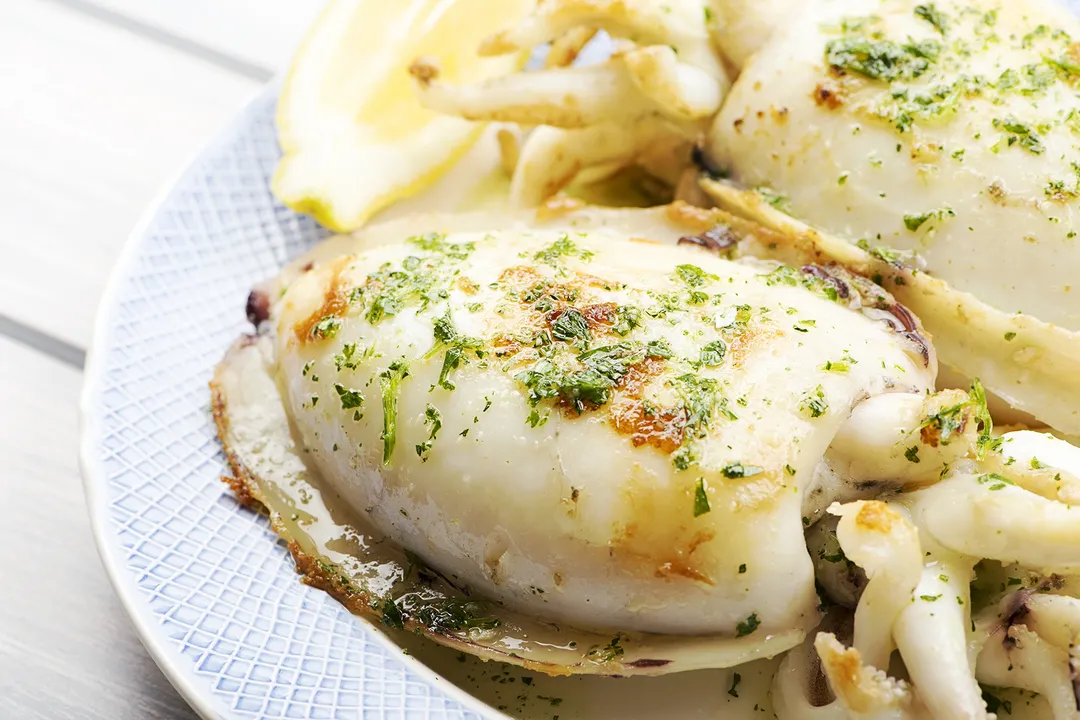
If the goal is strictly fat loss, preparation methods must prioritize minimal added fat. Grilling, steaming, poaching, or quick pan-searing with a light spray of oil are ideal choices. Conversely, deep-frying or smothering cuttlefish in heavy, creamy sauces will drastically increase the saturated fat and total calorie count, shifting it from a diet-friendly staple to an indulgence. For instance, if 100g of raw cuttlefish is 82 calories, coating it in a standard batter and deep-frying it could easily double or triple that energy intake by absorbing oil, making the initial lean protein source less effective for a deficit.
An actionable tip for home cooks is to consider utilizing the natural moisture and slight sweetness of the cuttlefish itself by braising it briefly in low-sodium vegetable broth or tomato water instead of oil. This technique imparts flavor while maintaining the purity of the macronutrient ratios you are aiming for.
# Flavor Profile and Versatility
A successful, long-term eating plan relies on variety and enjoyment; if the food is bland or repetitive, adherence falters. Cuttlefish offers a distinct advantage here. It is often described as having a more delicate and slightly sweeter flavor compared to squid, with a texture that remains tender when cooked properly, unlike some other cephalopods which can become tough. This mild profile means it readily absorbs the flavors of spices, herbs, and marinades, making it highly versatile for different cuisines—from Mediterranean preparations with lemon and parsley to Asian-inspired stir-fries. This adaptability helps prevent palate fatigue, making it easier to incorporate regularly into a rotating meal plan without feeling deprived.
# Mineral Count
Beyond the standard vitamins, cuttlefish contributes meaningful amounts of minerals that support overall bodily function, indirectly aiding a weight management effort by improving energy and recovery. It is a notable source of Potassium, which is important for fluid balance and blood pressure regulation—issues that can sometimes be exacerbated when making drastic dietary shifts. Furthermore, the presence of Phosphorus and trace elements like Copper contribute to cellular energy production. While not directly burning fat, ensuring these mineral needs are met prevents dips in performance or malaise that might derail motivation to exercise.
To provide a clearer look at the mineral contribution versus a general benchmark, consider this comparison based on typical raw nutritional data for 100g:
| Nutrient | Approximate Amount (mg) | Role in Health/Weight Management |
|---|---|---|
| Potassium | ~270 mg | Fluid balance, muscle function |
| Phosphorus | ~240 mg | Bone health, energy metabolism |
| Iron | ~1.5 mg | Oxygen transport, energy |
This concentration of essential minerals solidifies the argument that cuttlefish supports the body's system while the low calories and high protein support the scale's movement.
# Cholesterol Consideration
One area where cuttlefish, like many seafood options, requires a balanced perspective relates to cholesterol. Some data indicates that cuttlefish does contain cholesterol, with figures cited around 230 mg per 100g. For individuals watching their dietary cholesterol intake closely, this number is worth noting compared to leaner white fish like cod, which typically has much less. However, modern nutritional science often emphasizes that for most people, dietary cholesterol has less impact on blood cholesterol levels than saturated and trans fats. Since cuttlefish is naturally very low in these detrimental fats—often under 1 gram per 100 grams raw—its overall contribution to cardiovascular health, when prepared healthily, remains largely positive. The benefits derived from its healthy fats (like trace Omega-3s, if present) and low saturated fat content generally outweigh the moderate cholesterol contribution, especially when compared to protein sources high in saturated fat like red meats.
# The Local Sourcing Insight
While the nutritional facts provided across databases are helpful guides, the true benefit can sometimes be localized. If you source cuttlefish locally, perhaps from a coastal market, the nutritional profile might even be slightly superior to frozen, globally-shipped varieties, depending on the time between catch and consumption. Freshly caught seafood often retains a higher concentration of water-soluble vitamins and minerals compared to products that have undergone extensive freezing and thawing processes. Therefore, seeking out local purveyors, if available in your region, might provide the freshest product, which supports maximum nutrient retention—a small, practical step that enhances the dietary value of your meal.
# Digestive Health Support
Another benefit that indirectly assists with weight management is digestive health. Cuttlefish is a good source of dietary fiber, which is crucial for maintaining regular bowel movements and a healthy gut microbiome. While the primary macros don't scream "fiber powerhouse," the presence of this component helps with the overall transit time of food through the digestive system, reducing feelings of sluggishness and bloating that can accompany dietary changes. A comfortable, well-functioning digestive tract makes sticking to any diet plan significantly easier and more pleasant.
In summation, cuttlefish excels as a weight-loss friendly food primarily due to its exceptional ratio of high-quality protein to low calories and low fat. When paired with mindful cooking techniques that avoid added oils and heavy sauces, it becomes a staple that promotes satiety, supports muscle mass, and delivers vital micronutrients necessary for energy and metabolic function.

Related Questions
#Citations
8 Reasons Why Eating Cuttlefish Is Good for Your Health
What it is and its benefits | Cuttlefish & Choco
How Cuttlefish, Conch, and Octopus Offer Unique Flavor ...
Cuttlefish health benefits and cooking tips
Cuttlefish nutrition: calories, carbs, GI, protein, fiber, fats
What are the benefits of eating squid?
The Nutritional Benefits of Cuttlefish
Cuttlefish Nutrition Facts
Nutrition Facts for Cuttlefish (raw)
Eating Cuttlefish During Pregnancy – Safety, Benefits & Risks