Which Indian meal is best for weight loss?
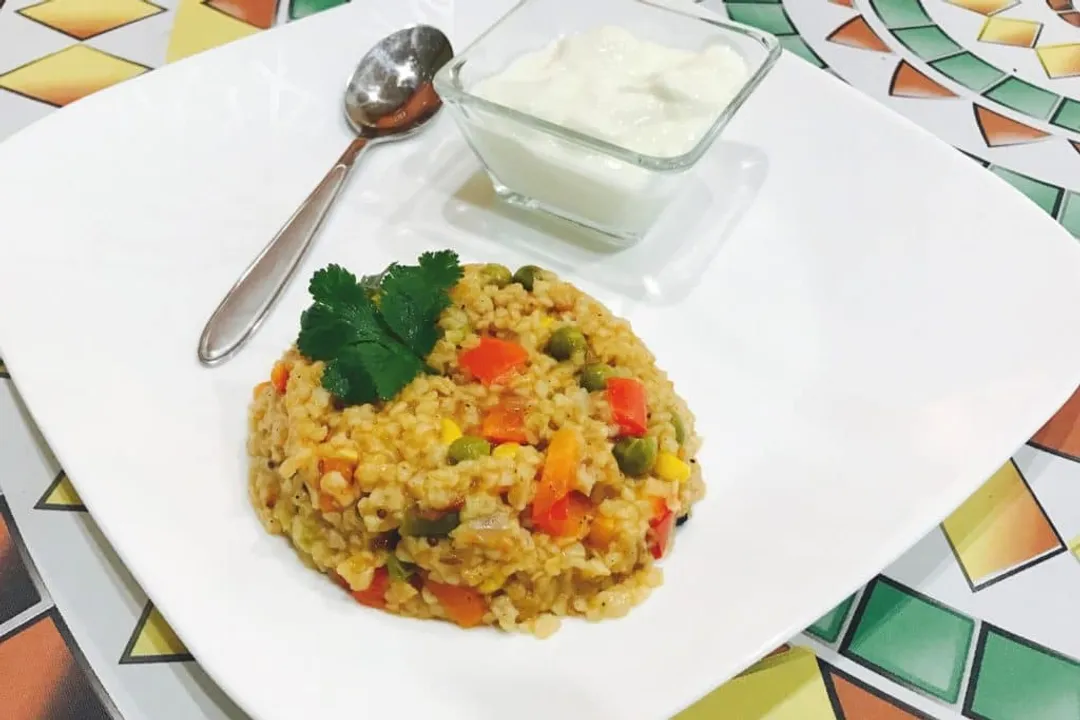
Navigating the world of Indian cuisine while aiming for weight loss often feels like a delicious tightrope walk. The richness that makes this food globally famous—the clarified butter, the cream, the slow-cooked gravies—is often what nutritional experts flag as obstacles to shedding pounds. However, dismissing Indian food entirely is unnecessary; the foundation of the diet is incredibly nutritious, relying heavily on pulses, legumes, and fresh produce. The real key lies not in which cuisine you eat, but how you construct your plate using traditional components. [2] Understanding the building blocks allows you to create meals that are both deeply satisfying and conducive to a calorie deficit.
# Grain Choices
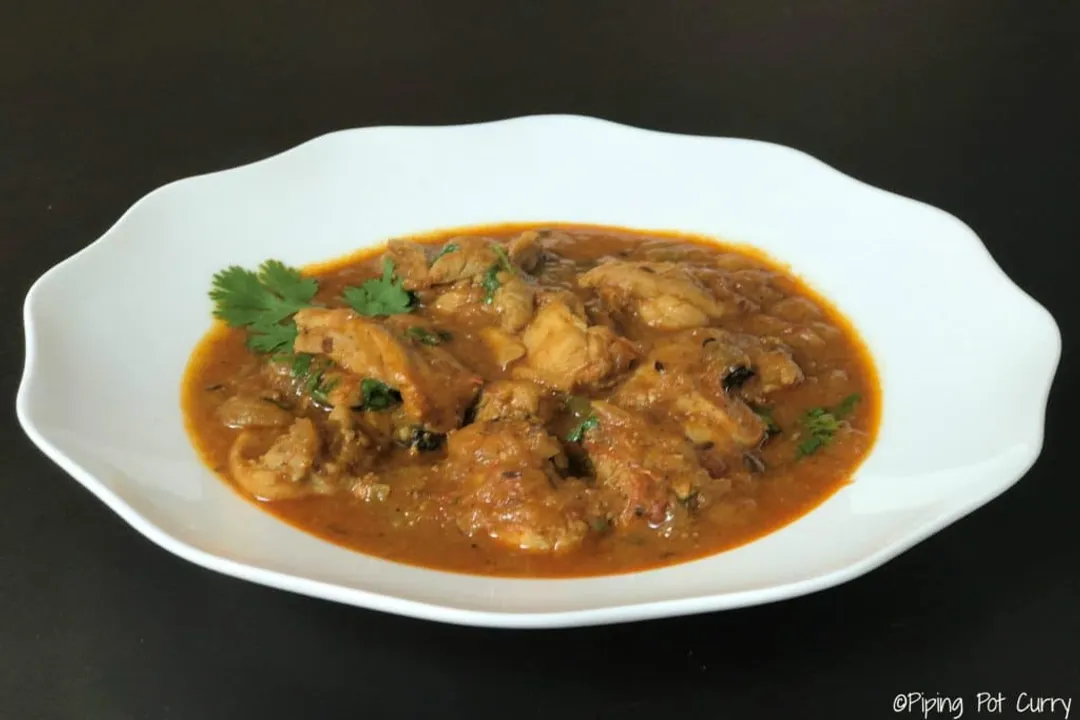
The primary difference between a weight-loss-friendly Indian meal and one that hinders progress often comes down to the choice of refined carbohydrates. Traditional white rice, while a staple, can cause quicker spikes in blood sugar compared to whole grains and offers less sustained energy. [2] Similarly, breads like puri or bhatura, which are deep-fried, should be strictly limited or avoided altogether when the goal is weight management due to their high fat and calorie content. [1]
When opting for rotis, switching from refined flour (maida) to whole wheat (atta) is a small change with a big impact, offering more fiber to keep you feeling full longer. [9] For those who prefer rice, brown rice or healthier alternatives like broken wheat (dalia) or millets offer a better nutritional profile than polished white rice. [2]
A practical way to assess your grain portion is to visualize your plate: aim for the majority—about half—to be filled with non-starchy vegetables and pulses, leaving only a quarter for your primary carbohydrate source like roti or rice. This simple shift in the Dal/Sabzi to Carb ratio often proves more effective than obsessing over the exact calorie count of a single item.
# Lentil Power
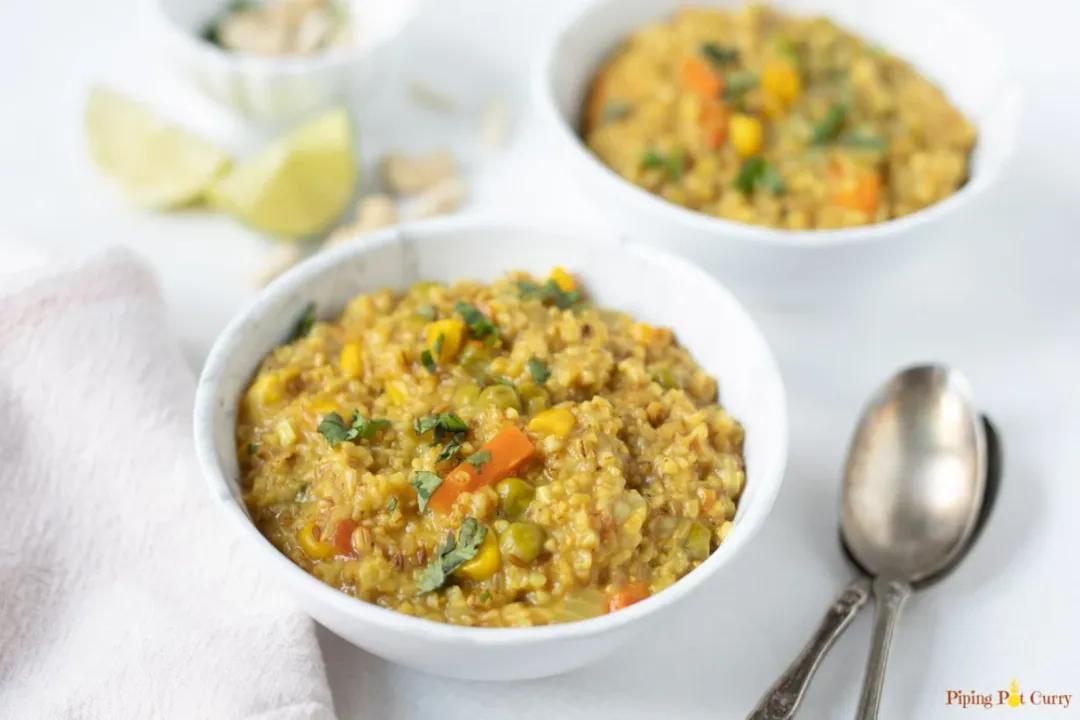
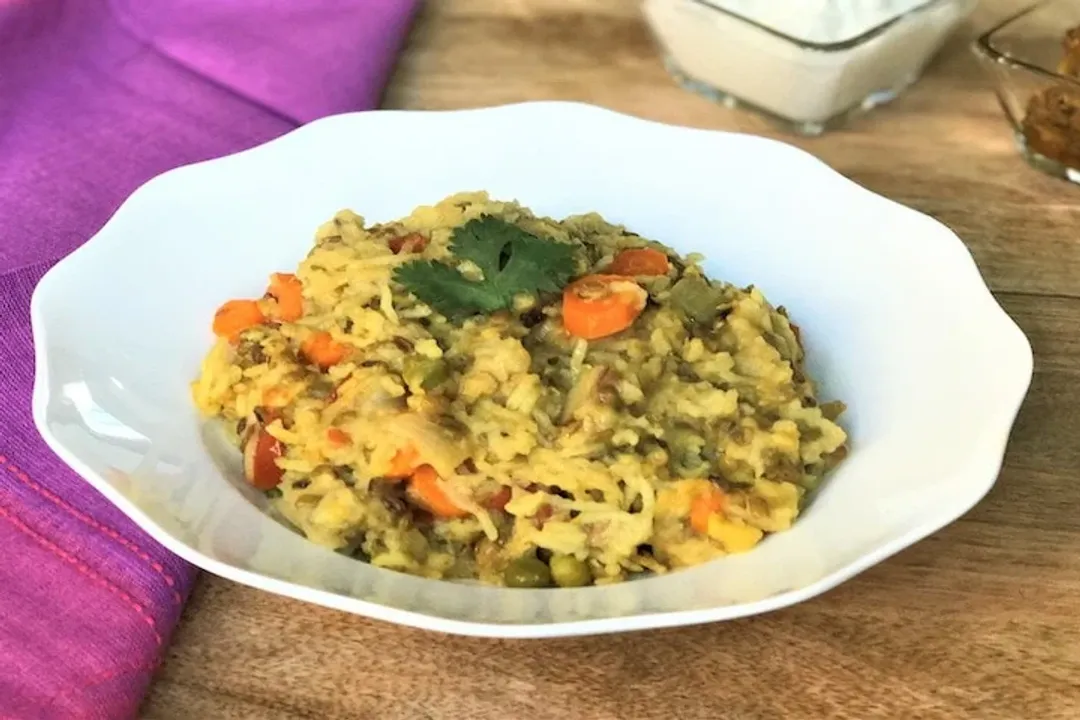
If there is one hero ingredient in the Indian kitchen for weight loss, it must be dal (lentils). [2] Lentils are packed with protein and fiber, making them essential for satiety and muscle maintenance during weight loss. [9] A simple bowl of dal forms the backbone of countless healthy Indian meals. [8]
Different lentils offer varying benefits. Moong dal (split yellow lentils) is often cited as being easily digestible and light, making it an excellent choice, especially for dinner or lunch. [2][4] Even when preparing dal, the cooking method matters significantly. A thin, watery dal seasoned with tadka (tempering) made with minimal oil or ghee is preferable to heavy, creamy preparations that might involve significant amounts of butter or cream. [1] Think of dal as your primary source of plant-based protein and complex carbohydrates in many vegetarian meals. [7]

# Vegetable Integration
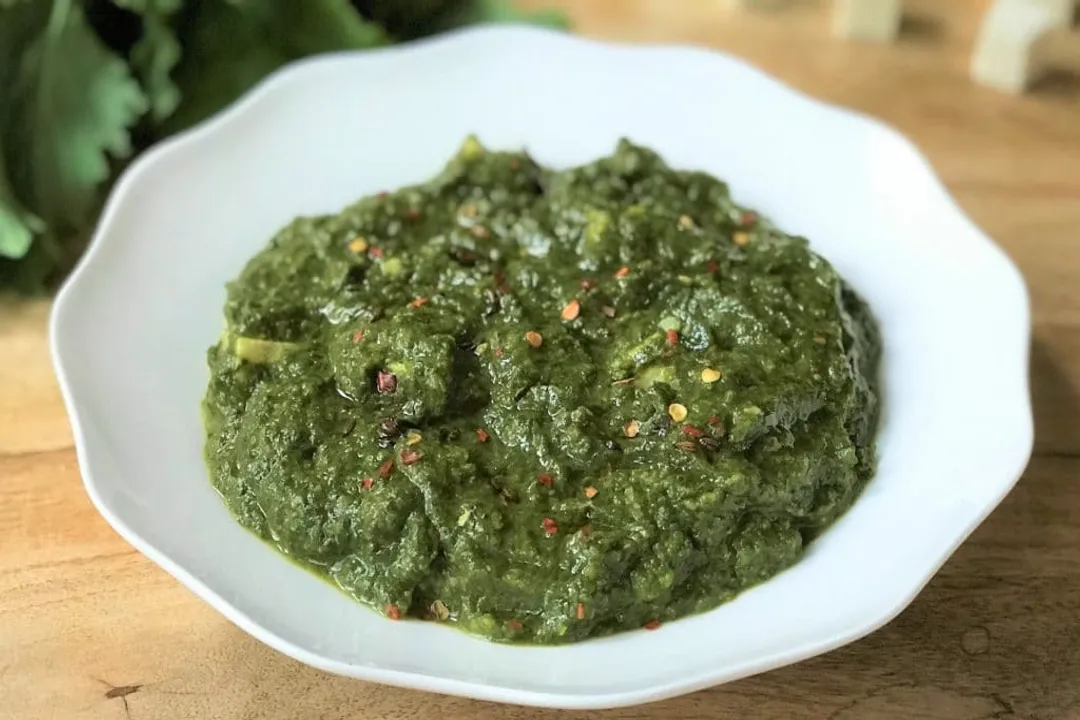
Indian cooking features an extensive array of vegetables, from gourds to greens, providing vital micronutrients and bulk with minimal calories. [2] The preparation style is paramount here. A vegetable dish (sabzi) cooked with minimal oil, focusing on spices like turmeric, cumin, and ginger, is ideal. [6]
Dishes like bhindi (okra), lauki (bottle gourd), or various saag (leafy greens) preparations, when cooked lightly, are excellent for adding volume to your meals without excessive calories. [4] Conversely, vegetable preparations heavily loaded with oil or rich coconut/cashew pastes, like some rich kormas, will negate the low-calorie benefit of the vegetables themselves. [1][5] Prioritizing vegetable-heavy main courses, as seen in many vegetarian diet charts, ensures you meet your nutrient needs while maintaining a calorie deficit. [7][9]
# Protein Sources
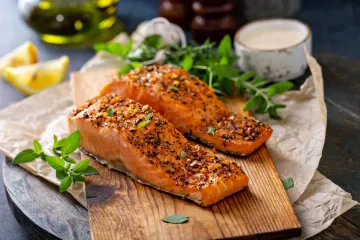
For non-vegetarians, lean protein sources are easy to integrate, provided you choose the right cooking method. Grilled or tandoori fish and chicken are excellent, low-fat options. [5] The traditional method of marinating meat in yogurt and spices before baking or grilling is inherently weight-loss friendly because it minimizes the need for added fats during cooking. [2]
For vegetarians, protein comes mainly from dal, but also from paneer (Indian cheese) and yogurt. When consuming paneer, moderation is key, as it is higher in fat than lentils. If ordering out, grilled or tikka preparations are safer bets than rich, creamy gravies like shahi paneer or malai kofta. [5] Tofu, which is increasingly popular, can be used in dry preparations to mimic paneer dishes while offering a lower-fat alternative. [6]
# Meal Timing Focus
The question of the best Indian meal often boils down to when you eat it. Many healthy components of Indian cuisine are traditionally enjoyed in the morning. South Indian staples like idli (steamed rice cakes) are often highlighted as good breakfast choices because they are steamed, light, and easily digestible. [2][9] Vegetable upma or poha, if made with minimal oil and plenty of vegetables, are also strong morning contenders, providing energy without weighing you down. [2]
Dinner, however, requires a different approach for effective weight loss. The consensus leans toward making dinner the lightest meal of the day. [8] A heavy, carb-laden dinner, even if composed of healthy ingredients, can interfere with resting metabolism and weight management overnight. For a weight-loss dinner, focus on high-protein, high-fiber, low-carbohydrate options. [8] This might look like a simple bowl of clear lentil soup (dal shorba), a large portion of lightly spiced roasted vegetables, or perhaps a small serving of grilled lean protein, perhaps accompanied by a glass of chaas (buttermilk) for gut health. [2][8]
The traditional Indian concept of tiffin—a packed lunch that is light enough to eat without feeling sluggish for the afternoon—offers an excellent template for modern weight management. This historical context suggests that Indian meals were often balanced to sustain activity, rather than simply maximizing caloric intake, which supports keeping lunch substantial and dinner restrained.
# Dining Out Adjustments
Eating out at an Indian restaurant presents unique challenges due to the generous use of oil and cream in commercial preparations. [5] The best strategy is to proactively modify your order. Always ask for vegetable or lentil-based dishes to be cooked with less oil or substitute heavy cream with yogurt where possible.
When looking at menus, steer clear of dishes described with words like Makhani, Korma, Malai, or Butter. [1][5] Instead, seek out Tandoori (baked/grilled), Bhuna (dry roast), or simple Dal Tadka. [5] Skip the fried appetizers like samosas and pakoras entirely. [1] If you must have bread, opt for a plain, thin whole-wheat roti or chapati instead of Naan (which is often made with refined flour and cooked with butter) or the fried options. [5]
# Sample Meal Structure
To illustrate how these principles combine into a practical weight-loss plan, here is a generalized structure based on accepted principles for Indian weight loss diets: [7][9]
| Meal Time | Recommended Components | Weight Loss Focus |
|---|---|---|
| Breakfast | Idli, Oats Upma, Vegetable Poha, Sprouts Salad | Steamed, high fiber, moderate complex carbs [2][9] |
| Lunch | 1-2 Rotis (Whole Wheat), Large bowl of Dal, Mixed Vegetable Sabzi, Salad | Balanced protein, complex carbs, high volume vegetables |
| Snack | Fruit, handful of nuts, or Buttermilk (Chaas) | Hydration, fiber, healthy fats in moderation [2] |
| Dinner | Vegetable Soup/Shorsha, Light Dal, Grilled Paneer/Chicken, Salad | Low-carb, high protein/fiber, easily digestible [8] |
This template emphasizes balancing satiety through fiber and protein while managing overall energy intake. [7] By consciously choosing steamed or dry-cooked items over fried or cream-laden ones, the inherent goodness of Indian ingredients can support weight loss goals effectively. [4][6]
Related Questions
#Citations
Indian Food: The Five Healthiest Dishes and Nine To Avoid
The Best Indian Diet Plan for Weight Loss
Having sampled a wide range of world cuisines, I can ...
25+ Indian Recipes for Weight Loss
Diet-Friendly Indian Restaurant Dishes You Have To Try
15 Indian Dinner Recipes for Weight Loss (2026 Edit)
7-Day Indian Vegetarian Diet Plan for Weight Loss
What is the best Indian dinner for weight loss?
Indian Diet Plan for Weight Loss: Effective Food Charts