Does hair grow back after shock loss?

The anxiety that follows seeing loose hairs in the sink or shower after a hair restoration procedure is significant, but the short answer to whether that hair grows back is a resounding yes. This phenomenon, known as shock loss, is a temporary phase where hair sheds, often confusing patients who expect immediate, permanent results. [1][5][6] It is a common and expected part of the healing process following most surgical hair restoration techniques. [2][9] Understanding why it happens and what is actually being lost is the key to navigating this often unnerving period with confidence. [1]
# What Happens
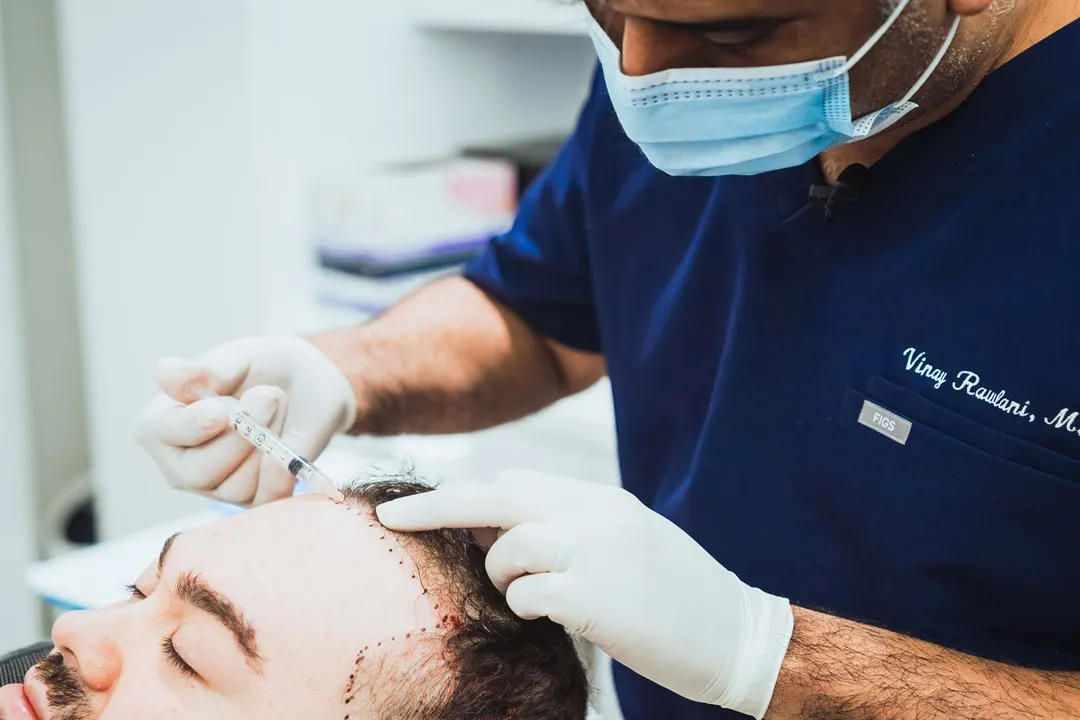
Shock loss describes the premature shedding of hair that occurs due to the trauma inflicted upon the scalp during the transplant operation. [1][6] This trauma affects the hair cycle, pushing mature, actively growing hairs prematurely into the resting, or telogen, phase. [1][2] When a hair enters telogen, it naturally detaches and falls out. [6] It is vital to recognize that this shedding applies to two distinct populations of hair: the transplanted grafts themselves and the surrounding native hair. [1][2]
For the newly placed grafts, the process is normal: the body reacts to the surgical intervention by temporarily pausing the growth phase of the follicle. [5] For the surrounding existing hair, the mechanical stress and subsequent inflammation from the harvesting and implantation process trigger a similar response. [4] This is why the loss isn't confined only to the new plugs, but can sometimes create a temporary area of thinning around the transplant zone. [2]
# Shedding Zones
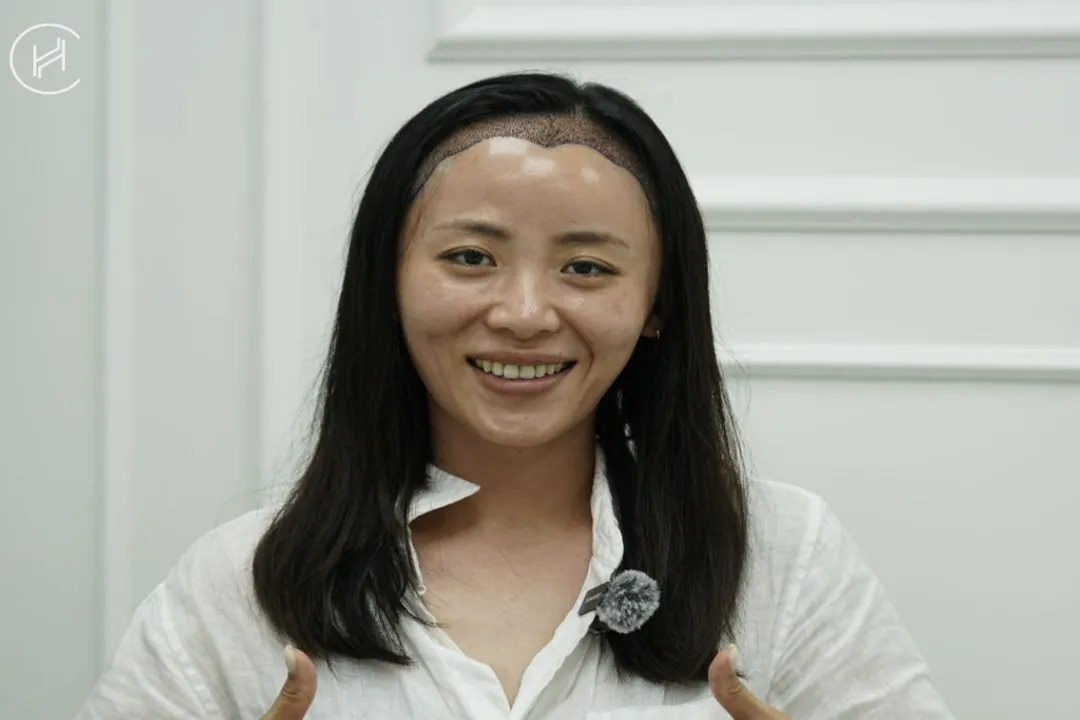
The location of the shed hair provides clues about the underlying mechanism. In the recipient area—where the new follicles have been implanted—the shedding involves the shaft of the hair, leaving the vital papilla and root structure intact beneath the skin. [5][1] This is the expected form of shock loss related to the transplant itself. [6]
However, some patients also report thinning in the donor area, particularly following Follicular Unit Extraction (FUE) procedures where follicles are removed from the back or sides of the head. Shedding here is less common than in the recipient zone but can occur. Importantly, hair loss in the donor area is also usually temporary, with the hair follicles recovering and beginning to regrow within a few months. If a patient experiences significant, non-temporary loss in the donor area, it often indicates that the technique used (like overly aggressive extraction) or the patient's inherent donor density was a limiting factor, though standard shock loss here is transient.
A common point of confusion is the difference between shock loss and standard hair loss that might have already been occurring. If the native hairs that fall out are miniaturized (thinning significantly before falling), it suggests that underlying genetic hair loss (Androgenetic Alopecia) is progressing concurrently with the post-operative shedding. [1]

# Recovery Phases

The timeline for shock loss recovery moves in distinct stages, often making the wait feel longer than it actually is for those experiencing it. [7]
Generally, shedding begins roughly two to eight weeks after the transplant surgery. [2][6] This phase can last for several weeks as the temporary disruption works its way through the hair cycle. The crucial realization here is that the loss is not the final result; it is merely the shedding of the old hair shaft. [5]
The next stage involves the initiation of new growth. Most sources indicate that patients can expect to see the first signs of true regrowth around the third or fourth month post-operation. [2][7][8] This initial growth is often fine and wispy, which is perfectly normal. As the healing progresses, the hairs will thicken and mature. [8]
To put this process into perspective, consider the cycle comparison:
| Phase | Approximate Timing Post-Op | What is Happening | Appearance |
|---|---|---|---|
| Initial Growth | Day 1 - Week 2 | Graft settlement and fixation | Scalp healing |
| Shock Loss | Week 2 - Week 8 | Hair shafts shed due to trauma | Active shedding |
| Dormancy Ends | Month 3 - Month 4 | Follicles awaken; initial vellus hairs appear | Fine, light growth |
| Maturation | Month 6 - Month 12 | Hairs thicken and gain color | Noticeable density increase |
| Final Result | Month 12 - Month 18 | Hair reaches full color and caliber | Stabilization of result |
It is useful to track your progress against these phases rather than just counting days. For instance, if you are at month three and see nothing, that is less concerning than if you are at month six and still observing active shedding unrelated to the initial post-operative crust removal. [7] True concern might arise if there is zero evidence of new growth by the six-month mark, suggesting a potential issue with graft survival, which is rare if the surgery was performed correctly. [5]
# Follicle Health
The fundamental reason hair grows back after shock loss is the simple fact that the surgical trauma affects the hair shaft, not the follicular unit responsible for production. [1][5] The critical structures—the dermal papilla and stem cells—remain protected beneath the skin surface. [5] The transplanted graft survives the move and initiates a recovery period before restarting its normal growth cycle. [6]
Think of the follicle like a sleeping seed. The surgery is like a major disturbance that makes the seed briefly go dormant, forcing it to shed its current sprout. Once the immediate environment stabilizes, the seed wakes up and starts producing a new, healthy sprout. [1][5]
This phenomenon highlights the difference between shedding and losing the hair permanently. If the follicle dies due to poor handling, infection, or lack of blood supply post-transplant, the hair will not return, but this is not the definition of shock loss. [1] Shock loss is a temporary biological interruption. [6]

# Patience Required
Managing the mental aspect of shock loss recovery often proves more challenging than the physical healing itself. [9] After investing significant time and money into a procedure aimed at gaining hair, seeing it temporarily disappear is difficult. [4]
One practical way to manage this phase is to focus on the non-shedding areas. Sometimes, the transplanted area looks patchy or thinner than expected during the shedding phase, but the hair growing in the untreated native areas surrounding the transplant often looks healthier, providing a visual cue that the environment is conducive to growth. [9]
Another factor that influences the speed of recovery, although not the final outcome, is the patient’s general health. While the procedure dictates the initial timeline, systemic factors such as persistent high stress levels, nutritional deficiencies (like severe iron or Vitamin D deficits), or unmanaged underlying inflammatory conditions can sometimes prolong the transition from the telogen phase back into the active anagen growth phase. [6] Addressing these internal factors, often in consultation with your physician, can help ensure the follicles resume their growth cycle as quickly as biologically possible. [6] It's not about making the hair grow faster than its potential, but about removing any internal barriers slowing down the natural recovery mechanism already set in motion by the successful transplantation.
Ultimately, if you are experiencing shock loss, take reassurance that you are following the established recovery map. The shedding is the prerequisite for the eventual, more robust growth that follows. [8]
Related Questions
#Citations
Shock Loss : the usual and temporary hair after a hair transplant
What to expect from shock loss after a hair transplant
Shock Loss After Hair Transplant - Post-op Hair Shedding Timeline
Shock Loss Regrowth : r/HairTransplants - Reddit
What is Shock Hair Loss After Surgery? - Sara Wasserbauer MD
Shock Loss After Hair Transplant Surgery | Wimpole Clinic
Recovery: Timeline of Hair Growth after NeoGraft
What Is Shock Loss and When Will the Transplanted Hair Grow Back?
Does Hair Grow Back in the Donor Area After an FUE Hair ...