What do Japanese people use for weight loss?

The perception of leanness in Japan often leads to curiosity about the secrets behind maintaining lower average body weights compared to many Western nations. While genetics can play a role, a closer look reveals that the real difference lies in deeply ingrained cultural practices surrounding diet, movement, and even how food is viewed as an experience. These methods are less about quick fixes and more about establishing a sustainable, harmonious lifestyle—a concept central to Japanese wellness philosophy.
# Foundational Eating

The cornerstone of weight management in Japan is the traditional eating pattern known as washoku, which is characterized by being whole-foods-based and rich in natural flavors. This diet structure naturally supports a lower caloric intake without the need for explicit deprivation.
The typical meal composition emphasizes balance: a staple (like steamed rice or noodles), a soup (often miso), a main dish, and several small side dishes.
Key components that contribute to this supportive structure include:
- Seafood and Soy: Fish and soy products like tofu and natto feature prominently, providing high-quality protein and nutrients, including beneficial long-chain omega-3 fats from the fish.
- Abundant Produce: Vegetables are eaten frequently, prepared in ways that enhance flavor while minimizing added calories, such as steaming or simmering them in dashi (a broth based on sea vegetable and fish).
- Fermented Foods: Miso, natto, and pickled vegetables (tsukemono) are regularly consumed. These foods are sources of probiotics, which support a balanced gut microbiome, aiding digestion, reducing bloating, and potentially improving nutrient absorption.
- Low Sugar and Fat: Compared to a typical Western diet, the traditional pattern is notably low in added sugars, dairy, and excess fats. Desserts are infrequent and often rely on natural sweetness from fruit or red bean paste rather than heavy refined sugar.
This focus on minimally processed foods means that while many meals include carbohydrates like rice, the overall density of calories is managed by the surrounding ingredients.
# Portion Control Habits
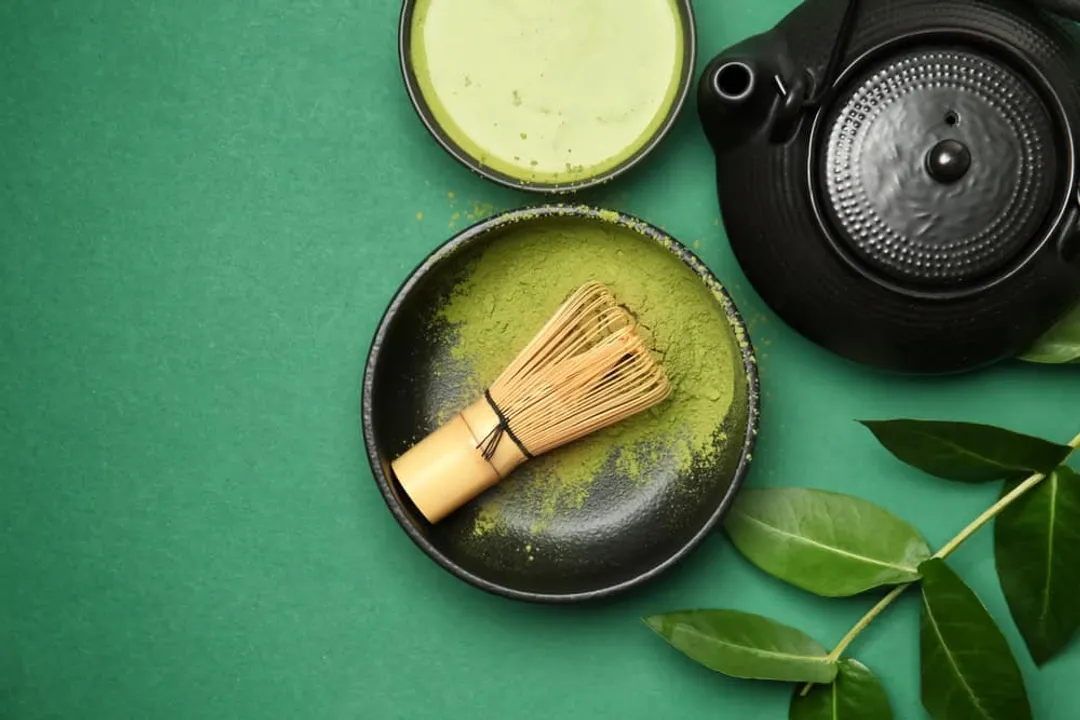
A significant factor in maintaining low body fat is not just what is eaten, but how much is eaten in a single sitting. Japanese meals are culturally presented in smaller servings than is common in many Western countries.
This adherence to smaller servings is powerfully reinforced by the practice of Hara Hachi Bu. This famous principle translates to eating until one is 80% full. It requires stopping before feeling uncomfortably stuffed, relying on body cues rather than finishing everything on the plate. The meal ends when satisfaction is reached, not when satiety is exceeded.
To make this mindful stopping point easier to achieve, the method of serving itself is key. A traditional meal involves an assortment of small dishes, rather than one large plate. Think of the standard bento box—often only about 17cm x 10cm—filled with small, varied compartments. This presentation style naturally dictates smaller individual portions. For readers accustomed to large plate presentations, the immediate actionable tip here is to adopt this visual trick: intentionally serve your meal across three or four small bowls or plates instead of one large one. This subtle environmental change forces you to engage with each component individually, making it easier to recognize the feeling of moderate satisfaction before overconsumption sets in.
# Metabolic Drinks
Beverages play an active role in the Japanese wellness routine, often serving as low-calorie tools to gently influence metabolism, digestion, or hydration.
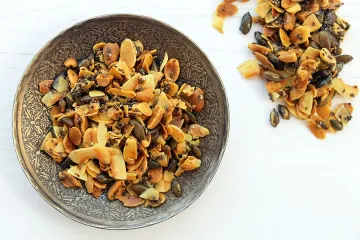
Green tea is paramount. Both Matcha (powdered whole leaves) and everyday Sencha are rich in catechins, like EGCG, which may increase fat oxidation and boost metabolism. The combination of caffeine and L-theanine in matcha can provide focused, calm energy, potentially warding off stress-related snacking. As a cautious note, the tannins in green tea can inhibit non-heme (plant-based) iron absorption, suggesting a waiting period of about an hour after iron-rich meals.
Beyond green tea, other common options include:
- Mugicha (Barley Tea): Caffeine-free and calorie-free, this roasted barley infusion promotes hydration, which is necessary for metabolic processes. Some traditional views suggest it aids in reducing feelings of bloating.
- Aojiru (Green Juice): Made from young barley grass or kale, this nutrient-dense, low-calorie tonic provides fiber, which can support gut health and slow gastric emptying, contributing to a feeling of fullness.
- Kombu Tea: An infusion made from edible kelp, it contains iodine, which supports thyroid function and fat metabolism. Seaweed extracts, due to their fiber content, may also induce feelings of satiety.
One popular home remedy sometimes discussed is the Japanese Mounjaro recipe—which, despite the name, is not the prescription drug tirzepatide. Instead, it is a wellness drink featuring matcha, umeboshi (fermented plum), ginger, and kombu, aiming to support metabolism and digestion synergistically.
# Movement Integration
A major, often overlooked, element is the integration of physical activity into daily logistics rather than separate gym sessions. While Japan has fewer fitness fanatics compared to some nations, the structure of daily life ensures consistent movement.
In major urban centers, it is common for people to rely heavily on public transportation. This means a routine often involves:
- Walking or cycling to the train/bus station.
- Climbing stairs within stations.
- Standing during crowded commutes.
- Walking from the final station to the office or school.
This necessary transit adds up to significant, low-intensity, functional activity—often close to an hour or two daily—that burns calories naturally without feeling like a dedicated "workout". Additionally, traditional practices like Radio Taiso (calisthenics broadcast publicly) and the gentle movements of Tai Chi promote mobility and mindfulness.
Considering this, an actionable insight for a Western audience is to rethink "exercise" as something separate from "transportation." If possible, try incorporating the final mile of your commute on foot or consciously taking the stairs at work. This shifts the perception of movement from a time-consuming chore to an unavoidable, integrated part of daily efficiency, mirroring the Japanese approach to non-exercise activity thermogenesis (NEAT).
# Supplements and Specific Remedies
While lifestyle is key, commercial supplements are also utilized to target specific areas like fat absorption or abdominal deposits.
- Calorie Management: Products like FANCL Calorie Limit are designed to suppress the absorption of fats, sugar, and excess carbohydrates from meals, often incorporating ingredients like Butter Bean Extract and Black Ginger to switch on the metabolic rhythm.
- Targeted Fat/Constipation: Several traditional-style herbal supplements, often based on the traditional Chinese medicine formula Bofutsushosan, are marketed to increase fat metabolism and improve constipation, which is sometimes correlated with abdominal fat accumulation. Examples include Nasitol Za and Wakansen Rohto.
- Body Composition: Functional supplements containing ingredients like African mangostana-derived ellagic acid aim to support the reduction of neutral fat, body weight, and waist circumference.
It is important to note that the desire for easy results must be balanced with caution. The FDA has issued warnings regarding certain products marketed as "Japan Rapid Weight Loss Diet Pills Green" that contained undeclared, potentially harmful ingredients such as phenolphthalein. This underscores the necessity of sourcing supplements responsibly and focusing primarily on diet and lifestyle.
# Cultural Context and Modern Reality
The societal backdrop in Japan is a powerful influence on weight management. There is a deeply ingrained cultural value placed on health and maintaining a slim appearance, often seen as synonymous. This manifests in several ways:
- Social Accountability: Doctors and employers may pay more attention to an individual’s weight, with annual health checks often including BMI scoring. Being overweight can carry a strong social stigma, motivating adherence to healthy standards.
- Diet Culture Nuance: While some outside observers note the low obesity rates, internal discussions suggest an intense diet culture, particularly among younger generations, sometimes leading to restrictive behaviors or confusion over ineffective "tricks" like believing that staying cold causes fat retention (a concept debated against the reality that cold exposure generally burns more calories).
This points to an interesting cultural dichotomy: while the overall population remains relatively lean compared to global averages, there is evidence that the traditional low-obesity rates are beginning to shift as Westernized eating habits—more snacking and higher consumption of processed foods—creep into the modern routine. The very structure that supported leanness (dense city living, traditional diet) is slowly being eroded by suburbanization and global food trends, meaning the cultural commitment to practices like Hara Hachi Bu is now more critical than ever to counteract environmental pressures.
Ultimately, the Japanese approach to weight loss is less about a single secret product and more about a default setting: high vegetable intake, small portions, consistent low-intensity activity, and treating meals as a deliberate, undistracted experience. These interwoven habits create a system where maintaining a healthy weight is the byproduct of normal living, not the result of intense, periodic dieting.
#Videos
Famous JAPANESE WEIGHT LOSS DRINK You Can MAKE AT ...
Related Questions
#Citations
Top 5 Japanese Weight Loss & Fat Reduction Products - Goodsania
Japanese Weight Loss Secret Nobody Talks About
Japanese Mounjaro Recipe for Weight Loss: A Natural Approach
Are these Japanese weight loss tricks/tips scientifically accurate?
Famous JAPANESE WEIGHT LOSS DRINK You Can MAKE AT ...
Japanese Methods for Weight Loss - Ancient Wisdom for You
Japanese Drinks That May Help Lose Belly Fat - Tata 1mg Capsules
The Japanese Diet: Benefits, Food List, and Meal Plan - Healthline
Public Notification: “Japan Rapid Weight Loss Diet Pills Green ... - FDA
How do people get so skinny in Japan? Are there any secrets they ...