What process deposits energy when high-energy gamma radiation penetrates human tissue?
Answer
Ionization, knocking electrons out of atoms
When powerful gamma ray radiation penetrates tissue, its primary mechanism for interaction and subsequent damage is ionization. Ionization is the specific process where the high-energy photon collides with atoms within the tissue, effectively stripping electrons from those atoms. This action disrupts the atomic structure and, consequently, the chemical bonds and molecular machinery of biological structures, including DNA. This deposition of energy locally is fundamentally different from mechanical forces like momentum transfer, which would characterize blunt trauma from a macroscopic object.
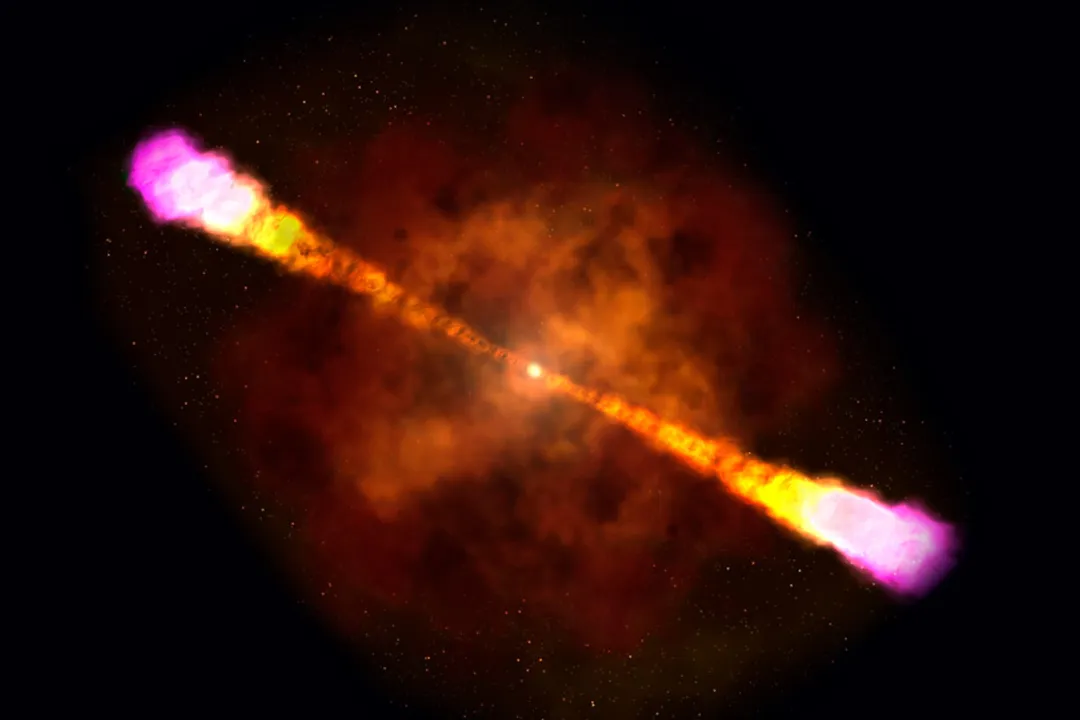
#Videos
Why You Won't Survive Gamma Radiation - YouTube
Related Questions
What process deposits energy when high-energy gamma radiation penetrates human tissue?What defines an exposure scenario that leads to Acute Radiation Syndrome (ARS)?Which cosmic events are the origin points for Gamma-Ray Bursts (GRBs)?What chemical compound is created in the stratosphere by the initial gamma-ray pulse of a close Gamma-Ray Burst?Which cell populations are most critically impacted by the molecular havoc caused by Acute Radiation Syndrome (ARS)?What is the estimated proximity required for a Gamma-Ray Burst (GRB) to cause instantaneous death via direct gamma flux on the surface?How does the energy transfer from a single gamma ray compare to that of a thrown baseball?What short-term dose range, measured in sieverts, is cited as almost certainly fatal within days or weeks?What is the ultimate biological consequence following the severe degradation of the ozone layer by a nearby Gamma-Ray Burst?How does the energy released by a Gamma-Ray Burst (GRB) in seconds compare to the Sun's total lifespan energy output?Why does the required distance margin for biological extinction from a GRB escalate non-linearly with distance?