How do pesticides affect you or harm you?

The interaction between modern agricultural practices and human health is a subject that demands careful consideration, as the chemicals designed to protect crops can inevitably find their way into our bodies. Pesticides, broadly defined as any substance or mixture of substances intended for preventing, destroying, repelling, or mitigating pests, have profoundly shaped food production globally. [1] While they offer clear benefits in terms of yield and pest control, understanding how they affect us—from acute poisoning on the farm to low-level chronic exposure through diet—is vital for personal and public safety. [2][6] The health concerns span immediate symptoms of overexposure to the potential for long-term, silent damage affecting nearly every organ system in the body. [4][7]
# Entry Routes
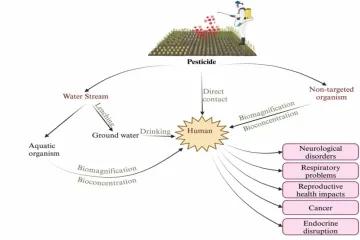
Understanding how these chemicals move from the field to our physiology is the first step in assessing risk. Exposure isn't just one thing; it happens through several distinct pathways, with different routes posing different levels of immediate danger. [2]
The most direct pathway involves occupational exposure, which primarily affects agricultural workers, pesticide applicators, and those involved in manufacturing or transport. [1] These individuals face the highest risk of acute poisoning due to handling concentrated products, accidental spills, or working in poorly ventilated areas. [6] Absorption through the skin is a significant concern, as many pesticides are designed to penetrate organic barriers, and improper use of personal protective equipment (PPE) allows for easy entry. [2] Inhalation of sprays, dusts, or vapors also provides a fast route into the bloodstream. [6]
Beyond the workplace, the general public is primarily exposed through dietary intake. [9] This involves consuming food products—fruits, vegetables, grains, and sometimes meat or fish—that retain trace amounts of chemical residues. [9] Even after washing or peeling, residues can remain because some modern pesticides are systemic, meaning they are absorbed into the plant’s tissues as it grows, making them physically impossible to wash off the surface entirely. [9] Another relevant pathway is environmental exposure, which can occur through contaminated drinking water, drift from nearby agricultural applications, or residues in home and garden products. [1][4]
For the average consumer, the cumulative effect of these small, repeated dietary exposures over years is often more concerning than a single, large dose, as it taps into the mechanisms that cause chronic illness. [7]
# Acute Danger
When a person encounters a high dose of a pesticide over a short period, the effects can be rapid and severe, often requiring immediate medical intervention. [6] This typically happens due to accidents, misuse, or suicide attempts. [1]
Symptoms of acute poisoning vary widely depending on the class of chemical involved, but they generally target the nervous system or mimic other organ failures. [4] Organophosphate and carbamate insecticides are notorious for this kind of toxicity. They interfere with the function of the enzyme acetylcholinesterase, leading to a buildup of the neurotransmitter acetylcholine. [6] This overstimulation results in symptoms like nausea, vomiting, dizziness, confusion, pinpoint pupils (miosis), excessive salivation, seizures, and, in severe cases, respiratory failure and death. [4][6]
Other types of acute reactions can involve severe irritation of the eyes, skin, and respiratory tract, particularly from certain herbicides or fumigants. [2] For instance, exposure to some herbicides can cause symptoms mimicking severe flu, while high-level exposure to older chemicals like organochlorines can trigger convulsions or tremors. [6] The immediate threat posed by acute exposure underscores why proper training, labeling, and restricted use categories are essential components of pesticide regulation. [2]
# Chronic Effects
While acute poisoning is dramatic, the slower, long-term damage from repeated low-level exposure is where modern public health debates often center. [7] The body’s ability to detoxify and eliminate foreign substances can be overwhelmed by constant small doses, allowing the chemicals or their breakdown products to accumulate or interfere with normal cellular processes over time. [5]
One significant area of concern relates to the endocrine system, the body’s network of hormone glands. [4] Many pesticides are known or suspected endocrine-disrupting chemicals (EDCs). They can mimic natural hormones, block hormone receptors, or alter the way natural hormones are synthesized or metabolized. [5][7] Because hormones control everything from metabolism and growth to mood and reproduction, subtle interference can have widespread physiological consequences. [4]
Furthermore, chronic exposure is frequently associated with oxidative stress. This occurs when the production of harmful reactive oxygen species (ROS) overwhelms the body's antioxidant defenses. [3] This oxidative imbalance can damage DNA, proteins, and lipids within cells, serving as a fundamental mechanism behind many chronic diseases, including cancer and neurodegeneration. [3]
# Illness Links
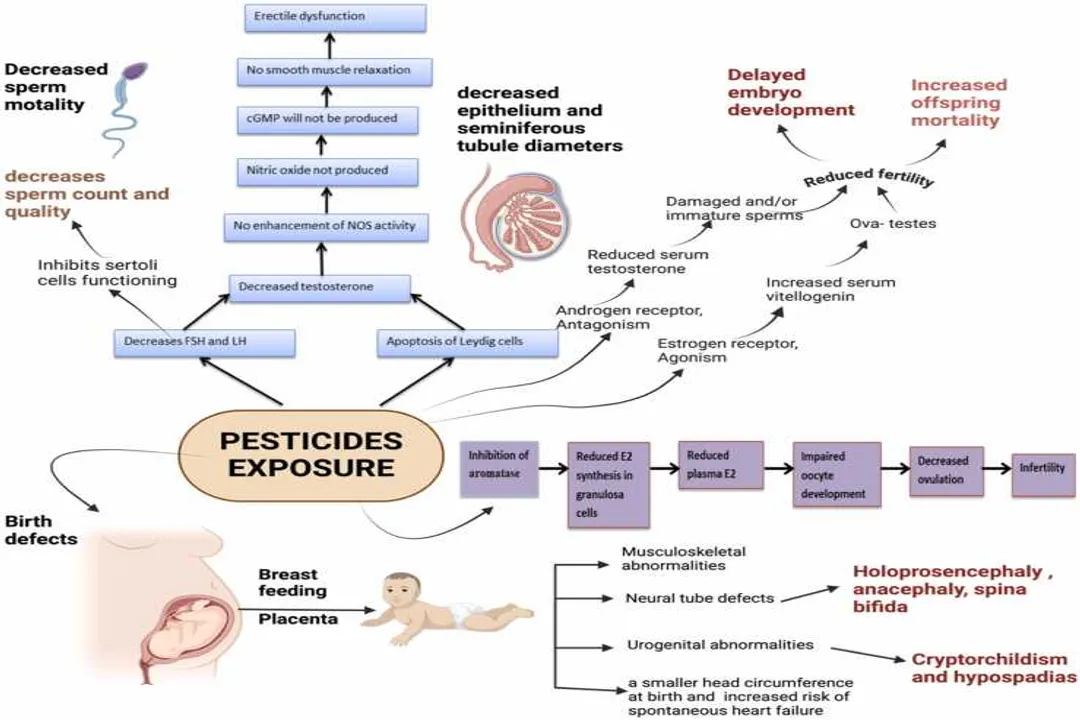
Research has pointed toward associations between pesticide exposure and several major categories of non-communicable diseases, though establishing direct causation in humans is often difficult due to the complexity of confounding lifestyle factors. [6]
# Neurological Damage
The impact on the nervous system is a major focus of concern, as many pesticides are specifically designed to attack the nervous systems of insects. [4] Chronic low-level exposure has been implicated in an increased risk of developing neurodegenerative conditions later in life, such as Parkinson’s disease and potentially Alzheimer’s disease. [4][7] Workers with long-term exposure histories sometimes report difficulties with memory, concentration, and motor skills that go beyond normal aging. [6] In children, prenatal or early childhood exposure is linked to attention deficit hyperactivity disorder (ADHD) and lower IQ scores. [4]
# Cancer Risk
The classification of various pesticides as probable or possible human carcinogens by international bodies reflects ongoing concern. [2] Certain compounds have been linked to higher rates of specific cancers, including non-Hodgkin lymphoma, leukemia, and certain types of brain or prostate cancer. [4][7] The risk often appears elevated in occupational settings where exposure levels are highest, but regulators must constantly reassess the long-term risk posed by residues in the general food supply. [1]
# Reproductive Health
Pesticides can also disrupt the delicate processes governing reproduction and development. [5] Studies have suggested links between exposure and adverse birth outcomes, including lower birth weight and preterm delivery. [4] For men, chronic exposure has been associated with reduced sperm quality and count. [5] In women, endocrine disruption can sometimes manifest as irregularities in the menstrual cycle or difficulties conceiving. [7]

# Susceptible Populations
While everyone who eats, drinks, or breathes is exposed to some degree, certain demographic groups face disproportionate hazards. [1]
Children are uniquely vulnerable because their bodies are still developing, and they breathe more air, drink more water, and eat more food relative to their body weight than adults. [2][6] Their detoxification systems, particularly the liver enzymes, are not fully mature, meaning chemicals can persist longer and cause more damage to rapidly dividing cells during critical windows of brain and organ development. [4]
Pregnant women represent another high-risk group because chemicals can cross the placental barrier, directly impacting the developing fetus. [4] This prenatal exposure is particularly concerning for neurological development. [4]
Finally, agricultural workers and their families face the highest aggregate risk. They are exposed to a cocktail of chemicals, often simultaneously, and may have limited access to immediate medical care or resources for rigorous PPE adherence in all conditions. [1][6]
# Dietary Concerns
For the vast majority of people, the primary pathway into the body is through food. [9] The World Health Organization (WHO) notes that while regulatory limits exist, continuous monitoring is necessary because the combination of multiple residues on single food items (the "cocktail effect") is a growing area of toxicological interest that may exceed the safety margin established for individual chemicals. [9]
When preparing food, the presence of residues isn't always predictable based on simple aesthetics. For example, fruits with tough or waxy skins (like apples or cucumbers) might retain residues primarily on the surface, making thorough washing or peeling effective at reducing intake. [9] However, one practical consideration often overlooked is how different farming methods affect residue location. If a crop is treated systemically, washing only removes surface dirt; the chemical is inside the flesh you eat. This contrasts sharply with contact treatments applied just before harvest, where aggressive scrubbing might eliminate most of the concern. A simple household step is to consider blanching certain vegetables, as the hot water rinse can sometimes draw out water-soluble residues, though this method is highly dependent on the specific chemical’s properties. [6]
The regulatory standard used globally is the Maximum Residue Limit (MRL), which is set to ensure that even if someone ate the same contaminated food every day for a lifetime, the residue intake would not pose a health risk. [9] However, activists and some researchers argue these MRLs often do not account for the full spectrum of chronic effects or synergistic toxicity from mixtures. [1]

# Risk Mitigation
Since complete elimination of pesticide exposure is nearly impossible in modern society, managing the risk becomes an exercise in informed reduction. [2] For consumers, this often translates to dietary choices. Seeking out organically grown produce, when feasible, is one direct way to bypass the synthetic pesticide residues common in conventionally grown food. [1] When purchasing conventional produce, prioritizing the washing and preparation methods that best suit the type of produce is sensible.
For those living near agricultural zones, the issue of drift is a serious environmental concern. [6] While individuals have little control over aerial spraying schedules, local health departments or environmental agencies often track application notifications. Staying informed about local agricultural practices can help residents minimize outdoor exposure during periods of active spraying. [2]
Another approach involves looking critically at household and garden chemical use. Many consumers use pesticides indoors or on their lawns and gardens without the specialized training or protective gear afforded to commercial applicators. [1] Switching to non-chemical pest control methods for household pests or utilizing integrated pest management (IPM) strategies in gardens drastically cuts down on personal exposure to hazardous chemicals within one’s immediate living space. [6] The focus should shift from total eradication to keeping pest populations below a level that causes actual damage, a subtle but important mental adjustment for home maintenance.
The complexity of this issue—ranging from acute worker safety to the long-term health of populations consuming trace amounts—requires ongoing vigilance from regulatory bodies, transparent reporting from the industry, and an educated, discerning public making daily choices about food and environment. [2][7]
Related Questions
#Citations
Pesticides & Human Health
Human Health Issues Related to Pesticides | US EPA
Pesticides impacts on human health and the environment with their ...
Recognizing the Health Effects of Pesticides
Exposure to Pesticides, Herbicides, & Insecticides: Human Health ...
Potential Health Effects of Pesticides - Penn State Extension
Health Effects of Pesticides
A systematic review of pesticide exposure, associated risks, and ...
Pesticide residues in food - World Health Organization (WHO)