What happens if a human gets hit by a gamma-ray?
When considering what happens when a human encounters a gamma ray, the answer changes dramatically based on a single factor: quantity. A single gamma ray photon, the fundamental particle of this high-energy radiation, is unlikely to cause any noticeable effect, much like being hit by a single molecule of air. However, the context shifts entirely when we talk about a concentrated beam or, more catastrophically, the universe’s most violent events—Gamma-Ray Bursts.
Gamma rays themselves are a form of electromagnetic radiation, similar to radio waves or visible light, but possessing vastly more energy because they are produced during nuclear events or the decay of radioactive matter. [5] This high energy is key to their biological impact. When this powerful radiation penetrates tissue, it deposits its energy by knocking electrons out of atoms, a process called ionization. [1] This ionization is what damages biological structures.
# Localized Energy
If a person were exposed to a very concentrated, albeit small, source of gamma radiation, the immediate effects are tied to the dose absorbed, measured in units like sieverts or Grays. At low exposure levels, the damage is subtle, primarily involving the disruption of cellular machinery, most critically the DNA. [1] This damage, if not repaired correctly by the body's natural mechanisms, increases the long-term probability of developing cancer. [1]
The human body is constantly bombarded by background radiation, so a single, low-energy gamma ray passing through is a routine event. The concern arises from acute exposure, where a large amount of energy is deposited across a significant volume of tissue in a short period. This leads to Acute Radiation Syndrome (ARS), characterized by nausea, vomiting, and potentially rapid death depending on the severity. [1] The lethality is not due to the gamma ray physically pushing the body, but rather the molecular havoc it unleashes on rapidly dividing cells, such as those lining the gut or found in the bone marrow, leading to organ failure. [1]
It is important to distinguish this from a physical impact. Imagine throwing a baseball versus shining a powerful laser at someone. The baseball transfers momentum, causing blunt trauma. A gamma ray transfers energy via ionization. If a hypothetical scenario involved a single gamma ray carrying the kinetic energy of a thrown pebble, the pebble would cause severe, immediate physical trauma. The gamma ray, however, would deposit its energy across a few specific molecules, causing intense chemical damage in a microscopic area, which might be survivable if isolated, but the biological consequences are far more complex than simple kinetic transfer. [7] The energy is deposited locally, causing cascades of secondary ionization events that break chemical bonds. [1]
# Dose Thresholds
The difference between a survivable dose and a lethal dose highlights the body’s resilience and its limitations. A dose that causes mild, temporary illness might be a few sieverts, while a dose exceeding 10 to 20 sieverts absorbed over a short time is almost certainly fatal within days or weeks. [1] The speed of absorption is critical; a dose spread over many years leads to chronic issues, whereas the same total dose delivered in minutes results in ARS because the biological repair systems are overwhelmed by the sheer rate of molecular damage. [1]
If we consider the extreme end of localized exposure—a beam so intensely focused and energetic that it could vaporize tissue instantly—the effect would be similar to being hit by a high-powered X-ray source or a specific type of particle beam in a physics lab. The key is energy density. For a gamma ray exposure to cause instant death in the sense of immediate physical destruction or cessation of brain function without time for ARS symptoms to manifest, the energy required would need to be astronomically high, effectively transforming a large portion of the body into superheated plasma or causing immediate, widespread cellular rupture across the central nervous system. [7] This level of energy delivery is generally reserved for thinking about cosmic events, not terrestrial accidents.

# Cosmic Fire
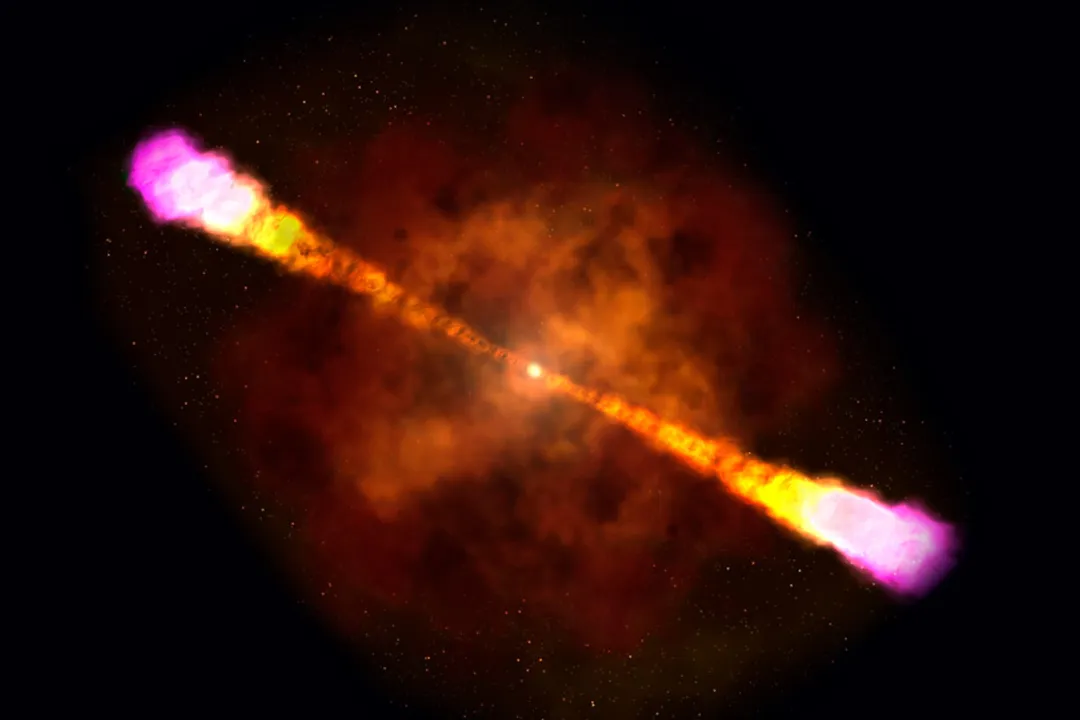
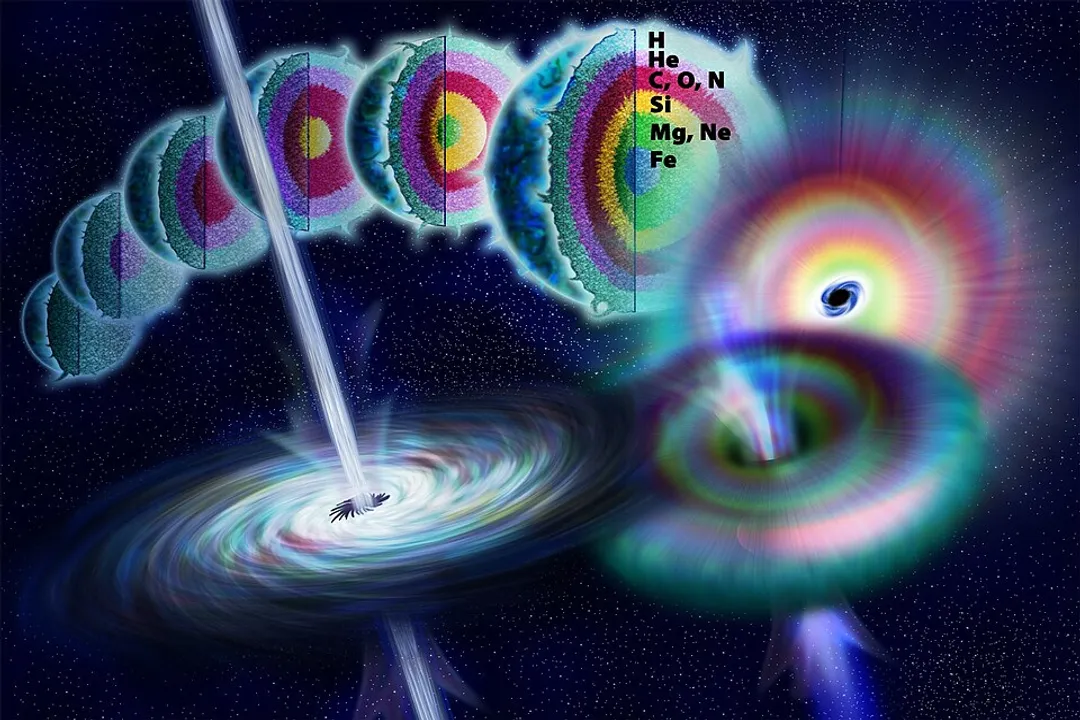
The most scientifically interesting, and terrifying, way a human can be "hit" by gamma rays is through a Gamma-Ray Burst (GRB). These are brief, incredibly intense flashes of gamma rays originating from the collapse of massive stars (hypernovae) or the merger of neutron stars in distant galaxies. [5] While a single GRB can outshine the entire observable universe for those few seconds it lasts, the danger to Earth depends entirely on distance and alignment. [5][8]
A GRB is the most powerful type of explosion known in the universe. [5] If a GRB were to occur relatively nearby—say, within a few thousand light-years—and its beam pointed directly at Earth, the consequences would be devastating, not just for the individual directly in the path, but for the entire biosphere. [3]
# Atmospheric Impact
If a powerful GRB occurred close enough, the initial gamma-ray pulse would arrive at Earth’s atmosphere traveling at the speed of light. [3] This initial pulse, lasting mere seconds, would trigger catastrophic chemical reactions high in the stratosphere. The intense gamma radiation would strip electrons from atmospheric nitrogen and oxygen molecules, creating large quantities of nitrogen dioxide (). [3]
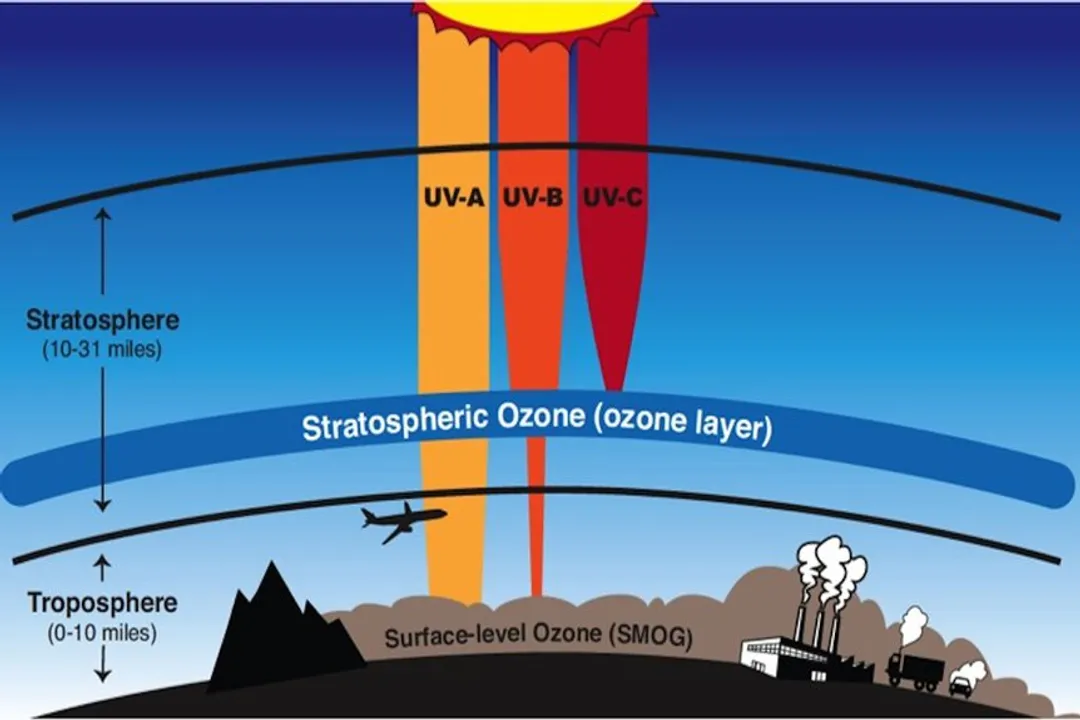
The immediate effect of this chemical creation is the rapid destruction of the ozone layer (), which shields life on the surface from the Sun’s harmful ultraviolet (UV) radiation. [2][8] Calculations suggest that a nearby GRB could deplete the ozone layer by 50% or more within a year of the event. [3]
This is where the scale of damage moves from individual to planetary. While the initial gamma ray pulse might not instantly kill a person on the surface because the atmosphere still provides some shielding, the secondary effects are deadly. [4] Once the ozone layer is severely degraded, the increased UV-B and UV-C radiation reaching the surface would cause mass extinctions, particularly in the oceans, which are sensitive to UV penetration. [2][3] Phytoplankton, the base of the marine food web, would be decimated, leading to the collapse of oceanic ecosystems and subsequent disruption of the global food chain. [2]
If you imagine the light from the burst arriving, the chemical wave of nitrogen oxides created by that light propagates downward, changing the atmospheric chemistry faster than local weather systems can disperse it. The chemical damage wave moves much slower than the light wave, but its effects manifest globally over months and years. [3]

# Proximity Fatalities
What about instant death, as the initial question implies? For a GRB to kill a person instantly, the blast would have to be so close that the atmosphere offers negligible protection, allowing the full flux of gamma rays to strike the ground. Experts estimate that a GRB needs to be within about 3,000 to 6,000 light-years away to cause significant, long-term ozone destruction on Earth, but for the direct gamma ray flux to be immediately lethal on the surface, the source would need to be much, much closer—perhaps within 100 light-years or less, depending on the GRB's intrinsic power. [3][8]
At that proximity, the energy deposited into the human body would vastly exceed any survivable threshold for ARS. [1] The dose would be so high that it would not just break DNA strands; it would likely cause catastrophic cellular disintegration across the entire body almost simultaneously. Death would be virtually instantaneous, as the molecular integrity of critical organs like the brain and heart would fail in fractions of a second, much faster than the typical ARS time frame of hours to days. [4][7] The experience would be one of immediate, overwhelming destruction at the molecular level, rendering the concept of sickness moot.
Considering the density of stars in our Milky Way galaxy, the probability of a beam-aligned GRB hitting us within that truly lethal, sub-100 light-year radius is considered extremely low. [8] Our solar system is situated in a relatively sparse area of the Orion Arm, which offers a degree of probabilistic safety.
To put the power differential into context, we can compare the energy output. A typical stellar explosion, a supernova, is immense. A GRB, however, releases as much energy in its initial few seconds as the Sun will release over its entire 10-billion-year lifespan, but compressed into the gamma-ray spectrum. [5] This explains why a tiny fraction of that energy, even after traveling light-years, can still alter our atmosphere.
# Comparative Lethality Distances
We can create a simple risk comparison based on required proximity for different outcomes based on astronomical estimates:
| Outcome | Estimated Distance Required | Primary Mechanism | Timeframe of Major Effect |
|---|---|---|---|
| Global Ozone Depletion | Within 6,000 Light-Years | creation, UV increase | Months to Years |
| Severe Surface Sterilization | Within ~300 Light-Years | Direct gamma flux combined with atmospheric breakdown | Immediate to Weeks |
| Instantaneous Death | Within ~100 Light-Years | Overwhelming energy deposition | Instantaneous |
This table illustrates that the danger from a GRB isn't just a single "hit"; it's a spectrum of destructive possibilities depending on how far away the event occurs. A distant GRB might cause a brief sky flash visible to ground observers but be otherwise harmless. A moderately close one causes a slow-burn ecological crisis via ozone loss. A truly close one results in immediate, absolute termination.
It's an interesting thought experiment to consider the required initial flux at the source versus the attenuated flux at Earth. Because gamma rays are such highly penetrating radiation, a small error in the distance estimate for biological extinction can have massive consequences. If a burst at 5,000 light-years causes 50% ozone depletion, a burst only twice as close—say, 2,500 light-years away—would likely cause near-total ozone stripping. The intensity follows the inverse-square law, but the atmospheric chemistry is non-linear; once a saturation point for production is hit, the resulting damage escalates disproportionately until all available ozone molecules in the path are destroyed. [3] This non-linear response means the "safe distance" margin is much tighter than one might intuitively expect based on simple energy absorption alone.
In summary, being hit by a gamma ray locally means molecular disruption and potential ARS if the dose is high enough. Being hit by the universe's most powerful gamma-ray beam means atmospheric obliteration and eventual biological catastrophe, or, if the source is truly near, instant disintegration.
#Videos
Why You Won't Survive Gamma Radiation - YouTube
Related Questions
#Citations
What happens if I get hit by a gamma ray? : r/askscience - Reddit
Could a Gamma-ray Burst Destroy Life on Earth? - ThoughtCo
How Deadly Would a Nearby Gamma Ray Burst Be? | News
What would happen if a gamma ray burst were to hit a human? - Quora
Gamma-ray burst - Wikipedia
What If a Gamma-Ray Burst Hit a Black Hole? #Shorts - YouTube
Can gamma radiation instantly kill? - Worldbuilding Stack Exchange
Gamma-Ray Bursts Could Wipe Out All Life, But Are Unlikely to Hit ...