How does the full moon affect the human body?
The persistent allure of the full moon extends far beyond its visual spectacle in the night sky, weaving itself into folklore and personal anecdotes about strange happenings here on Earth. From claims of increased madness to disruptions in sleep, many people believe the phases of our closest celestial neighbor exert a tangible influence on human physiology and behavior. [1][10] This idea, deeply ingrained in popular culture, prompts a frequent examination of whether there is any scientific grounding to these lunar legends.
# Gravitational Pull
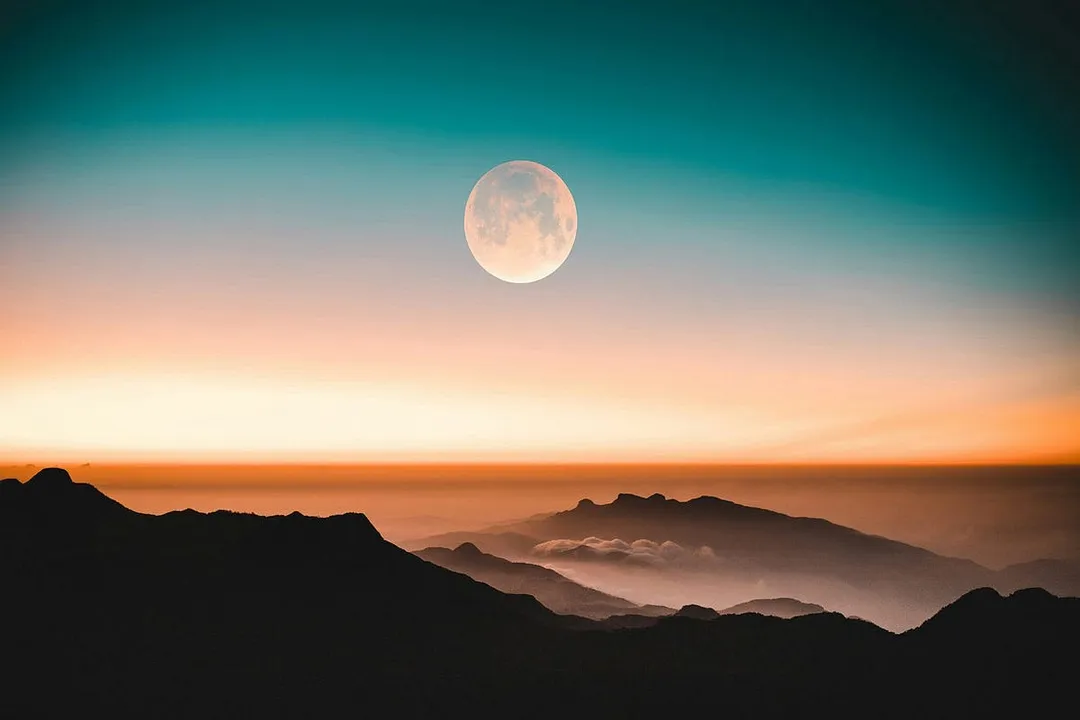
The most common explanation cited for the moon’s supposed influence rests on the immense gravitational pull it exerts. Because the moon is responsible for ocean tides, many naturally assume it must also affect the substantial water content within the human body. [1][3][6] This line of reasoning suggests that as the full moon pulls on the oceans, it should, by extension, cause subtle shifts in our internal fluids, leading to physical or emotional responses. [6]
However, scientific analysis tends to dismiss this mechanism as significant. [2][3] While the moon’s gravity does indeed control the ocean tides, the tidal forces exerted on a single human body are incredibly small—practically negligible. The gravitational influence of much closer, smaller objects—like a nearby building, a car passing by, or even a small hill—exerts a greater tidal force on an individual than the distant full moon does. [2][3] The forces at play are simply too weak to cause measurable physical changes in human systems, despite the intuitive appeal of the tidal analogy.
# Sleep Quality Scrutiny
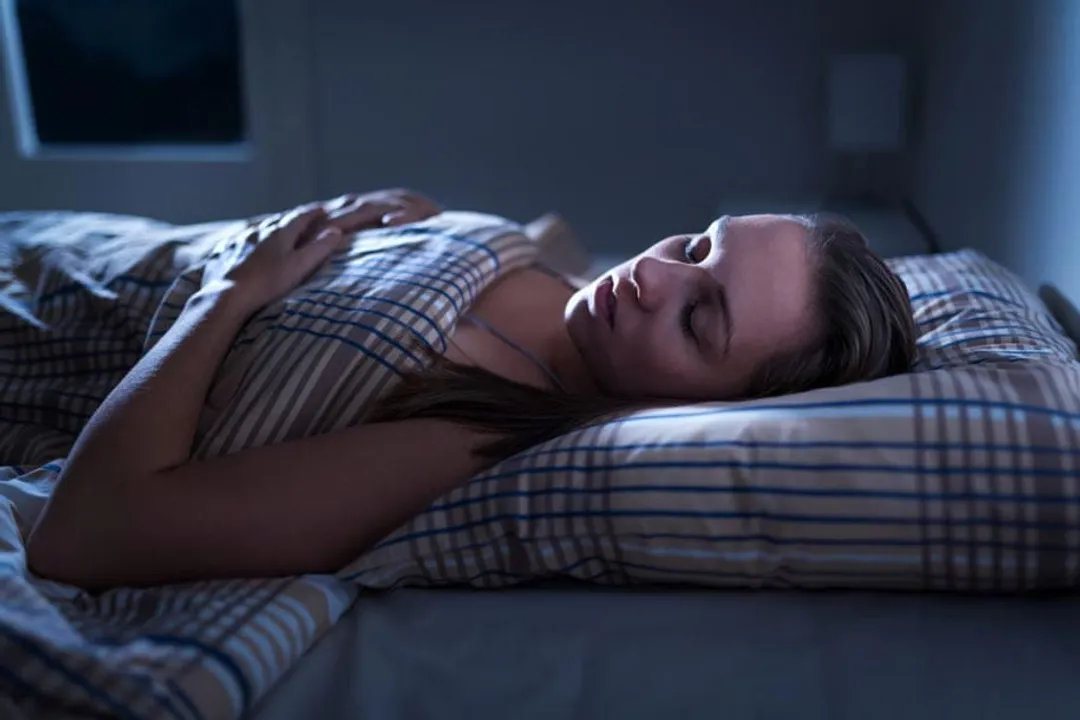
One of the more frequently studied areas concerns the impact of the full moon on sleep patterns. Anecdotally, many report tossing and turning more when the moon is full, perhaps because the extra ambient light interferes with the natural onset of darkness signaling rest. [1]
Some research has suggested that individuals may experience subtle changes in their sleep architecture during the full moon period. [1] For instance, specific studies have indicated that participants might take longer to fall asleep, experience slightly reduced total sleep time, and show a decrease in the amount of deep sleep they achieve. [5] One finding pointed toward participants sleeping about 20 minutes less during a full moon compared to other phases. [5]
Despite these specific data points, the broader scientific community remains cautious. Many studies aiming to definitively link lunar phases to widespread changes in sleep duration or overall quality have ultimately failed to find a strong, consistent correlation. [1] The impact, if present, appears minor and may not be universally experienced or even noticed by the majority of the population.
Here is a comparison of the common beliefs versus the more established scientific understanding regarding several popular lunar myths:
| Claimed Effect | Common Anecdote | Scientific Evidence Status |
|---|---|---|
| Increased Hospital Admissions | More emergencies, especially psychiatric ones | Largely unsupported; systematic reviews find no correlation [2][4] |
| Altered Mental State | Increased irritability, restlessness, or 'lunacy' | Weak correlation; likely due to confirmation bias [2][10] |
| Changes in Sleep | Difficulty falling asleep, lighter sleep | Some small studies show minor effects (e.g., 20 minutes less sleep) [1][5] |
| Menstruation Timing | Cycles syncing with the moon | No consistent or strong established link found [5] |
# Behavioral Patterns Examined

The concept of "lunacy"—derived from the Latin word luna—suggests that the full moon drives people toward erratic or aggressive behavior. [10] In emergency services, hospitals, and even law enforcement circles, there is a long-standing, if often anecdotal, belief that call volumes, patient intakes, or crime rates spike around the full moon. [1][2][10]
When researchers systematically review objective data, however, this perception rarely holds up to scrutiny. Multiple systematic reviews investigating psychiatric hospital admissions have concluded there is no statistically significant increase during the full moon phase. [4] Similarly, studies looking at general crime rates or emergency room traffic have generally found no reliable increase associated with the lunar cycle. [2]
The persistence of this belief often points toward a psychological phenomenon known as confirmation bias. If a person is expecting strange things to happen during a full moon, they are more likely to notice and remember the unusual event that does occur, while easily forgetting the many uneventful full moons or the strange events that happen during new moons. [2] This selection process reinforces the perceived link, even when the underlying data suggests otherwise. [2]
If you find yourself feeling overly sensitive or distracted during a full moon, it can be helpful to institute a personal tracking log. For three full lunar cycles, note your perceived mood, sleep quality score (on a 1 to 10 scale), and any significant emotional events on the actual dates of the full moon, the new moon, and the quarter phases. Comparing your subjective ratings against the objective dates, rather than relying on memory, often reveals that your internal state fluctuates independent of the moon phase, breaking the cycle of expectation. [9]
# Menstrual Cycle Link
Another area where the moon's cycle—approximately 29.5 days—is often compared to a human biological rhythm is the menstrual cycle, which averages about 28 days. [1][5][9] Given the close timing, it is natural to wonder if hormonal fluctuations or menstruation align with the lunar phase, especially the full moon. [1][5]
This idea has been around for a long time, connecting the feminine cycle to the moon's predictable appearance. [9] While the overlap is close enough to inspire many traditional beliefs, scientific evidence has not solidified a consistent relationship. Most modern analyses looking for a clear, predictable synchronization between the timing of menstruation and the full moon have failed to demonstrate a strong, universal pattern. [5] Biological variability among individuals, coupled with environmental factors, likely outweighs any subtle, underlying lunar influence on this particular cycle. [5]

# Comparing Scientific Viewpoints
It is interesting to note the consensus, or lack thereof, across various scientific perspectives. While the general public often holds a firm belief in the moon’s power, the scientific community largely treats the major effects (behavior, births, admissions) as an effect of expectation rather than physical causation. [2] A systematic review examining various studies on the topic found a striking absence of evidence supporting many of the popular myths. [4]
However, the data concerning subtle physiological effects, particularly sleep, remain slightly less conclusive. While the gravitational theory is largely dismissed, [2][3] the potential for light interference affecting sleep is a concrete, measurable factor that could certainly be at play when the night sky is illuminated by the brightest natural source after the sun. [1] It is plausible that any actual effect on sleep is not due to an unknown lunar energy but rather the simple physics of increased ambient light disrupting melatonin production, an effect that would be minimized if one consciously ensured total blackout conditions in the bedroom.
For those seeking evidence of any measurable change during the full moon, focusing on self-reporting of minor issues like restlessness or minor sleep disruption might yield more personal correlations than looking for large-scale systemic changes in hospitals or crime statistics. Consider tracking subtle shifts in well-being; sometimes, an awareness that something should happen can create a mild psychosomatic response that feels real, even if the moon isn't truly governing your mood. For example, a slight increase in perceived anxiety during the full moon might be more about anticipating anxiety than the moon itself causing a biochemical shift.
# Final Look at Anecdotes and Data
The narrative surrounding the full moon is a powerful example of how observation interacts with expectation. When we see reports confirming the myth—a restless night, a strange interaction—we file it away as proof of the lunar effect. [2] This selective memory is so powerful that even well-designed studies struggle to completely overcome the ingrained cultural assumption that the full moon is a time of peak human chaos or strangeness. [10]
In summary, while folklore suggests the full moon impacts everything from our mood to the timing of our births, the most rigorous scientific evaluations suggest these claims are largely unsupported. The tidal theory lacks a viable physical mechanism, and data on emergency room visits and psychiatric events usually shows no spike. [2][4] Where some evidence does flicker is in the realm of sleep, suggesting minor, measurable disturbances that may or may not be attributable solely to the moon rather than the light it casts. For most healthy individuals, the full moon remains a beautiful astronomical event with no direct, demonstrable control over daily bodily function or behavior. [10]
#Videos
Does the Full Moon Affect Human Behavior? - YouTube
Related Questions
#Citations
How Does a Full Moon Affect Our Physical and Mental Well-Being?
Does The Moon Affect Humans? - Health Cleveland Clinic
7 Ways The Full Moon May Affect Your Health - Farmers' Almanac
The lunar cycle: effects on human and animal behavior and physiology
Moon's Subtle Influence: Sleep, Menstruation, Mental Illness
How Does the Full Moon Affect Humans? | by Kathleen Murphy
How the moon affects your mood - Pure Arts Group
Does the Full Moon Affect Human Behavior? - YouTube
Moon Madness! How Does the Full Moon Affect Humans?
The full moon: Effects on human health - Medical News Today