Is wild ginger poisonous to humans?
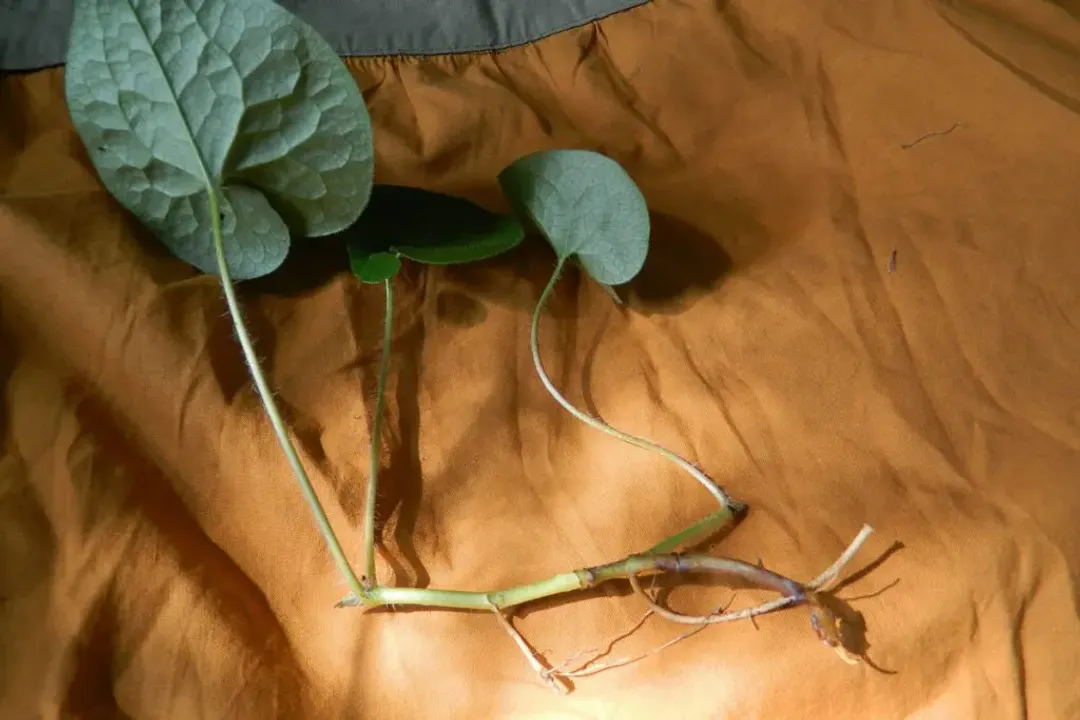
The query about consuming wild ginger quickly leads to a crucial distinction: the plant most commonly called "wild ginger" in North America, belonging to the genus Asarum, is decidedly not safe for human consumption and carries significant health risks. This plant, often admired for its heart-shaped leaves and unique, low-growing habit, shares a common name with the ubiquitous culinary spice Zingiber officinale, but botanically and chemically, they are worlds apart. When foraging, mistaking the two can have severe consequences, as the native wild ginger species contain dangerous compounds.
# Botanical Identity
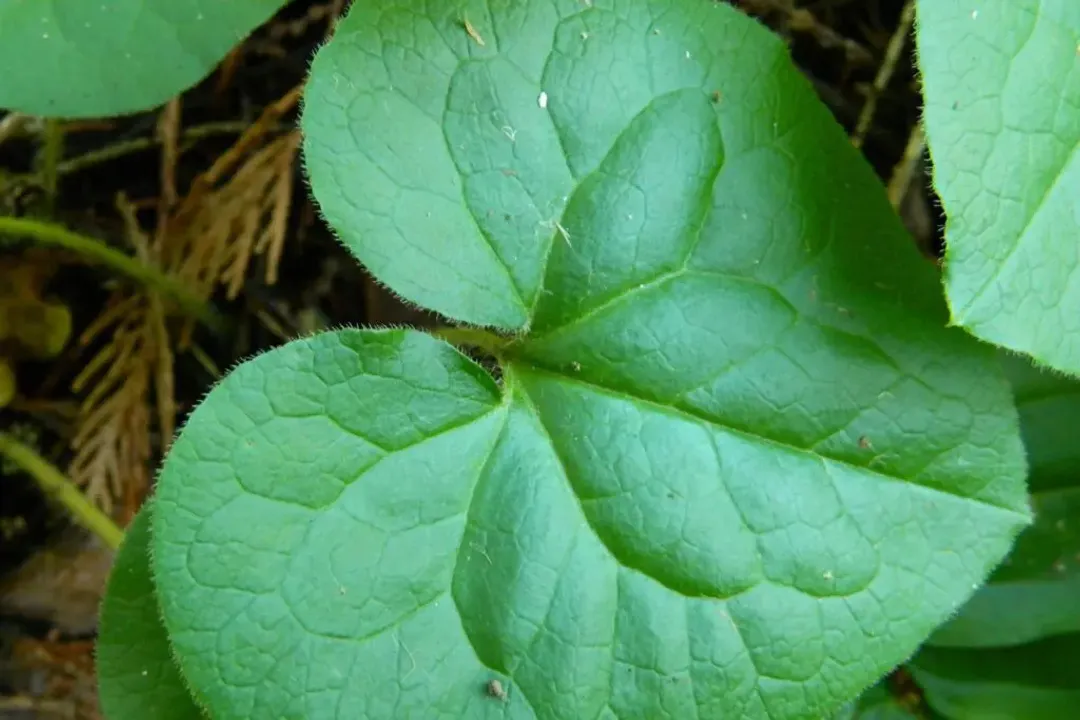
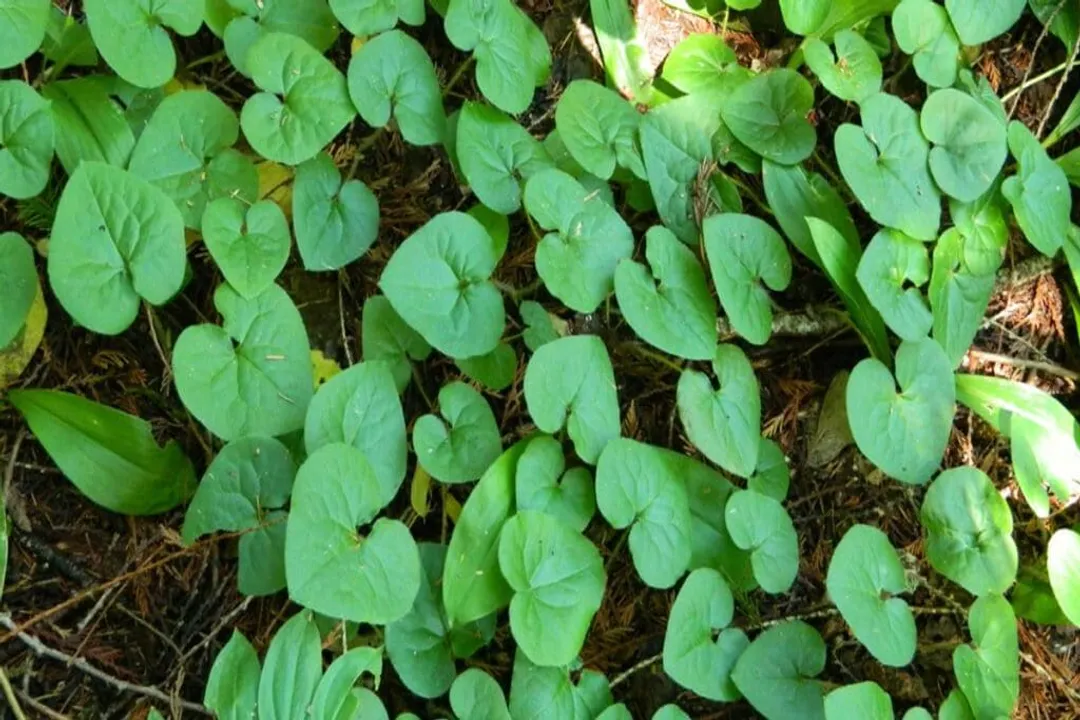
The plant referred to as wild ginger in many regions, such as the Eastern United States, is Asarum canadense. Other species exist across North America, like Asarum hartwegii, which is also noted for its toxicity. These plants belong to the Aristolochiaceae family. They are perennial woodland herbs, often recognized by their creeping rhizomes and leaves that typically appear in pairs. The small, often brownish or purplish, inconspicuous flowers are often nestled directly on the ground beneath the foliage.
In contrast, the culinary ginger we grate into stir-fries and steep in tea comes from Zingiber officinale, which is a tropical plant from a completely different family, Zingiberaceae. This difference is fundamental; the name similarity is merely a coincidence based on a faint, somewhat spicy aroma emitted by the crushed leaves or rhizomes of Asarum.
# The Toxin Profile
The primary reason for concern regarding Asarum species is the presence of aristolochic acid. This compound is highly problematic and is the subject of serious toxicological warnings across the globe. Aristolochic acid is known to be both nephrotoxic (toxic to the kidneys) and carcinogenic (cancer-causing).
The danger is not theoretical; ingestion of plants containing aristolochic acid has been linked to severe health outcomes, including rapid onset of kidney failure and urothelial cancer, historically documented in regions where plants from the Aristolochiaceae family were mistakenly used in traditional remedies. Because of these well-established risks, the FDA and other international health organizations strongly advise against consuming any part of the Asarum plant, including the rhizomes that might tempt a forager expecting culinary ginger. Even small amounts can be concerning given the potency of the toxin.
# Species Variability
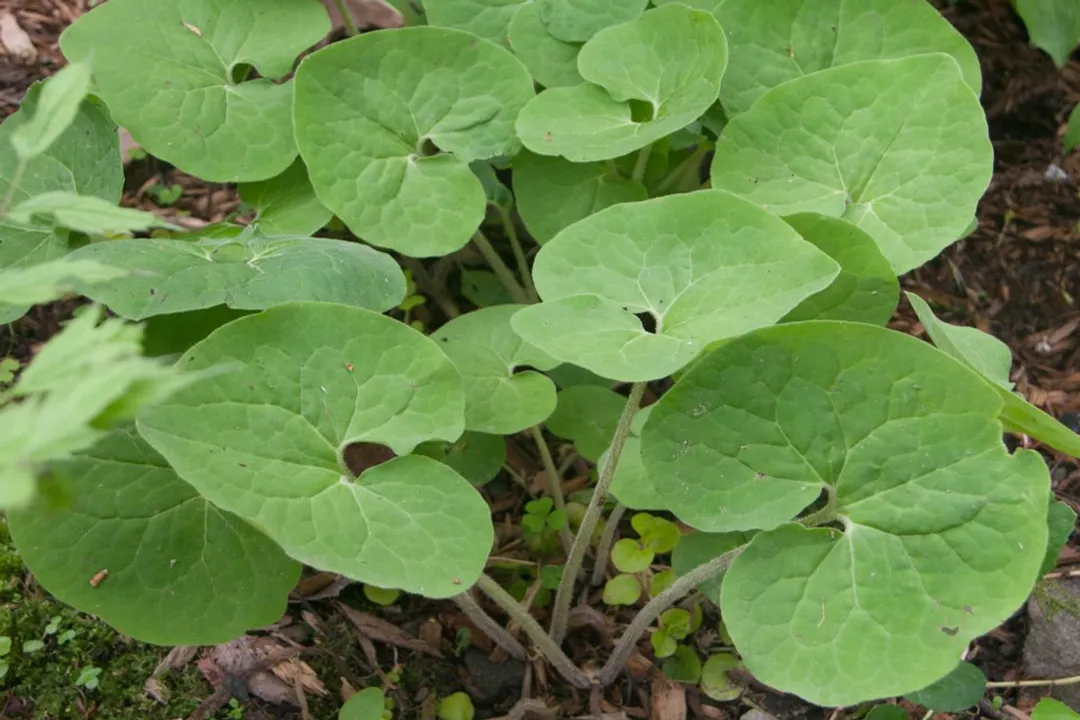
While the threat of aristolochic acid is widespread within the genus Asarum, it is worth noting that different species exist, and their characteristics and potential uses, or lack thereof, are documented separately. For instance, Asarum canadense is the specific species often discussed in North American foraging contexts. Other species, like Asarum hartwegii, are also identified as toxic. Plant databases confirm that Asarum is generally listed among toxic plants.
Interestingly, some sources acknowledge that historical uses or local traditions might exist for certain Asarum species, perhaps using the leaves or root sparingly for flavoring or medicinal purposes. However, this historical context must be weighed heavily against modern toxicological understanding. One common thread through many discussions about wild ginger is the need for absolute certainty regarding identification, followed by a strong caution against consumption due to the chemical makeup.
This situation highlights a critical gap in common knowledge where the plant's appealing appearance or mild scent leads people to question its safety, often seeking confirmation in foraging forums or online communities. While community input can be helpful for identification, it cannot override established chemical toxicity data regarding compounds like aristolochic acid.
# Navigating Misinformation and Historical Use
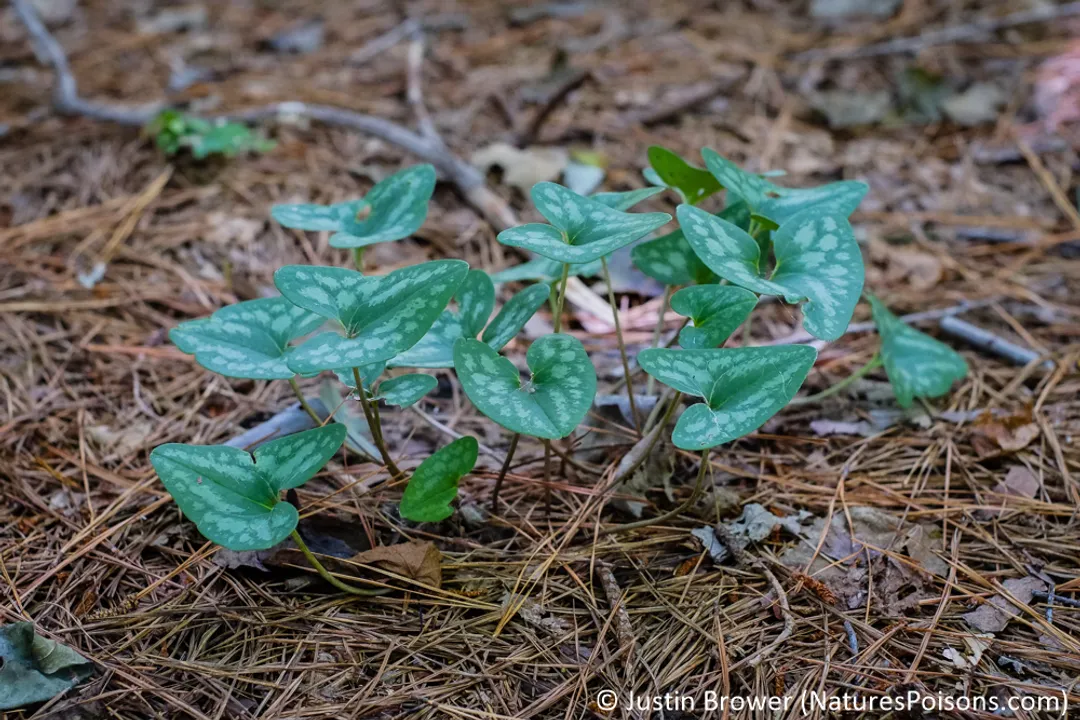
The confusion between the mildly aromatic but poisonous Asarum and the safe culinary rhizome Zingiber officinale is an ongoing issue for those interested in wild edibles. When a forager encounters a plant with heart-shaped leaves in a shaded, moist woodland, the common name "wild ginger" might spring to mind, tempting them to test the rhizome.
It is important to recognize the inherent risk in relying on anecdotal evidence when dealing with systemic toxins. One way to approach this is to treat Asarum not as a potential herb but as a known contaminant. Consider this: if a known carcinogen like aristolochic acid is present, even consuming a fraction of a teaspoon of the root repeatedly over time could theoretically elevate long-term health risks associated with kidney damage, separate from any acute poisoning event. This perspective shifts the focus from "Is it acutely poisonous right now?" to "What is the cumulative toxic load?"
When looking at resources discussing harvesting wild ginger, the context often immediately pivots to the necessity of correctly identifying the species or warning against using the wrong one. For example, if someone is seeking a substitute for culinary ginger, using Asarum is never an acceptable replacement due to the risk of aristolochic acid exposure.
Here is a brief comparison summarizing the key identifiers and risks associated with the commonly confused plants:
| Feature | True Wild Ginger (Asarum spp.) | Culinary Ginger (Zingiber officinale) |
|---|---|---|
| Family | Aristolochiaceae | Zingiberaceae |
| Toxicity | Contains Aristolochic Acid | Generally recognized as safe (GRAS) |
| Primary Use | Ornamental; Toxic if eaten | Culinary spice, traditional medicine |
| Growth | Low-growing perennial, flowers on ground | Tropical, taller rhizome crop |

# Practical Considerations for Foragers
For the experienced forager, the existence of a known, dangerous compound like aristolochic acid in Asarum essentially disqualifies it from any edible list, regardless of how cautiously it might be suggested for flavoring in some older texts or less-regulated online discussions. The risk-to-reward ratio is overwhelmingly negative.
If you encounter wild ginger, the safest and most recommended course of action is purely observational or ornamental. If you are interested in harvesting native plants for flavor, understanding the geography of where Asarum grows versus where true ginger relatives might be cultivated or found (though Zingiber officinale itself requires a tropical or greenhouse environment) is key. Never assume a spicy scent equates to safety.
In situations where there is any doubt about whether a plant is Asarum or another similar-looking woodland plant, a strict rule of abstinence is advisable. For instance, some sources discussing wild ginger are focused on identification to avoid eating it, rather than confirming its edibility. If you are looking for local, safe wild flavorings, your attention should be directed toward clearly documented edible species that lack known nephrotoxic or carcinogenic agents. Identifying a plant with 100% certainty based on reproductive structures (the flower) and leaf arrangement, rather than just the scent of a leaf, is the benchmark for safe foraging, and for Asarum, that benchmark leads to the conclusion that it should be left alone.
The presence of aristolochic acid creates a situation where even if one were to only use the plant superficially—perhaps steeping a small piece in hot water and immediately discarding the solid matter—the potential for leaching is still present, and the long-term safety margin is zero. This makes any attempt at "safe use" highly questionable when compared to the abundance of truly safe culinary alternatives available in the wild or from cultivation.
Related Questions
#Citations
Wild Ginger, Edible and Toxic | Hank Shaw
It's Wild, Not Exactly Ginger, and Potentially Deadly - Nature's Poisons
I've noticed these coming up recently and was wondering what they ...
How to Harvest and Use Wild Ginger | New Society Publishers
Can wild ginger be eaten? I know it's an invasive plant, I'm just ...
Asarum (Little Jug, Wild Ginger) - Plant Toolbox - NC State University
Wild Ginger, aka Asarum canadense - Backyard Forager
Wild Ginger (Asarum canadense) and Aristolochic Acid
Is Hartweg's wild ginger Poisonous - Toxic - PictureThis