Why is consuming purple bell peppers raw or lightly cooked recommended if the goal is maximizing anthocyanin intake?
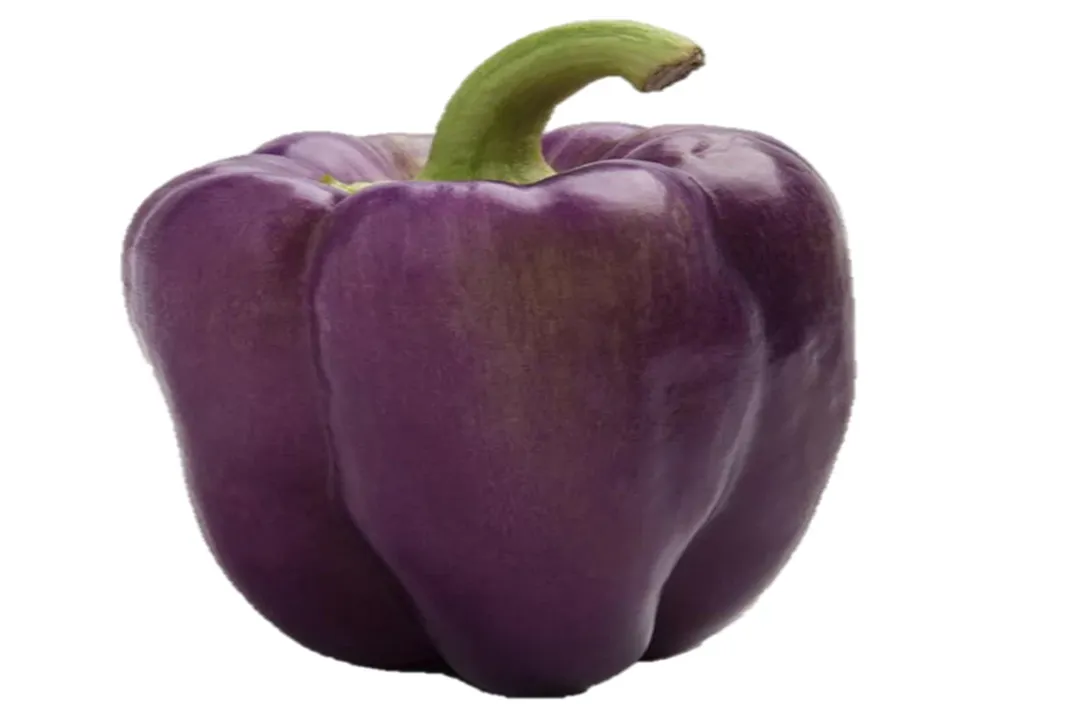
The rich purple pigment, signaling anthocyanins, is not always stable under high heat.
The unique health benefits derived from the anthocyanins in purple bell peppers are best accessed when the peppers are consumed raw or subjected to minimal heat exposure. Anthocyanins are known to be heat-sensitive compounds; prolonged exposure to high temperatures, such as during extensive roasting, causes these pigments to degrade. This thermal degradation leads to a noticeable fading of the vibrant purple color, often resulting in a dull green or blackish hue in the cooked product. Therefore, to ensure the maximum concentration of these specific antioxidant flavonoids remains intact, culinary methods that minimize cooking time, like using them in fresh salads or adding them late in a stir-fry, are preferred over intensive cooking methods.