Are purple bell peppers good for you?
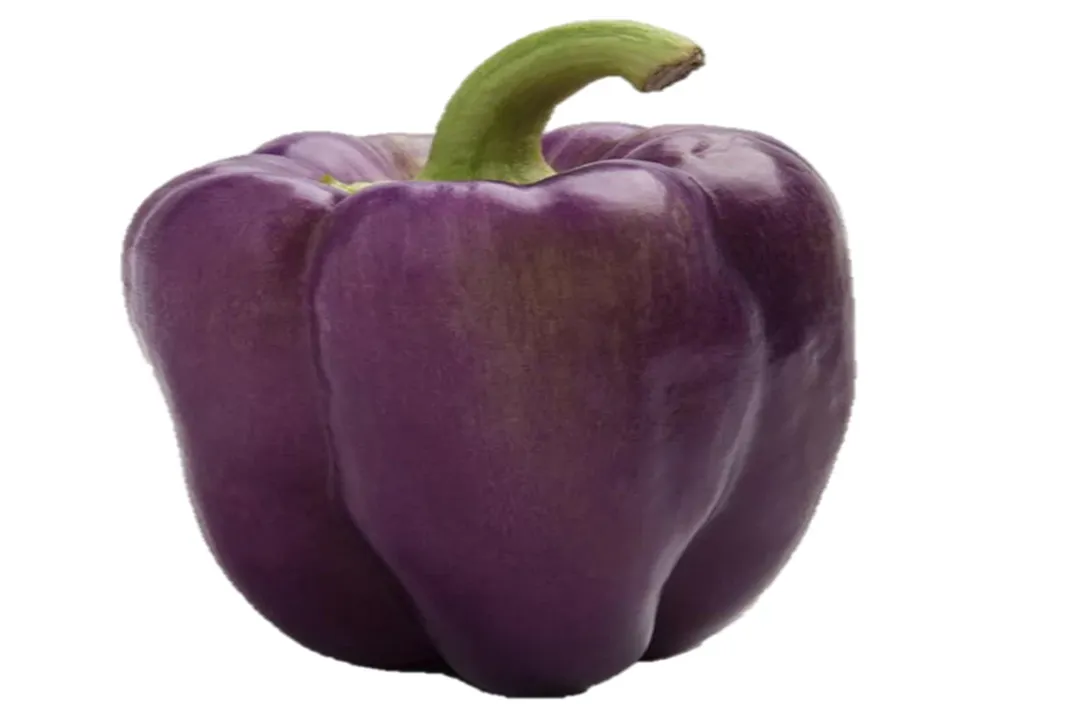
The vibrant hue of a purple bell pepper immediately sets it apart in the produce aisle, promising something a bit different from the standard green, red, and yellow varieties. These striking vegetables often invite curiosity, leading many to wonder just what nutritional advantages they carry compared to their more common cousins. It turns out that the color itself is a significant indicator of unique compounds that contribute positively to your diet. [1][3]
# Color Origin
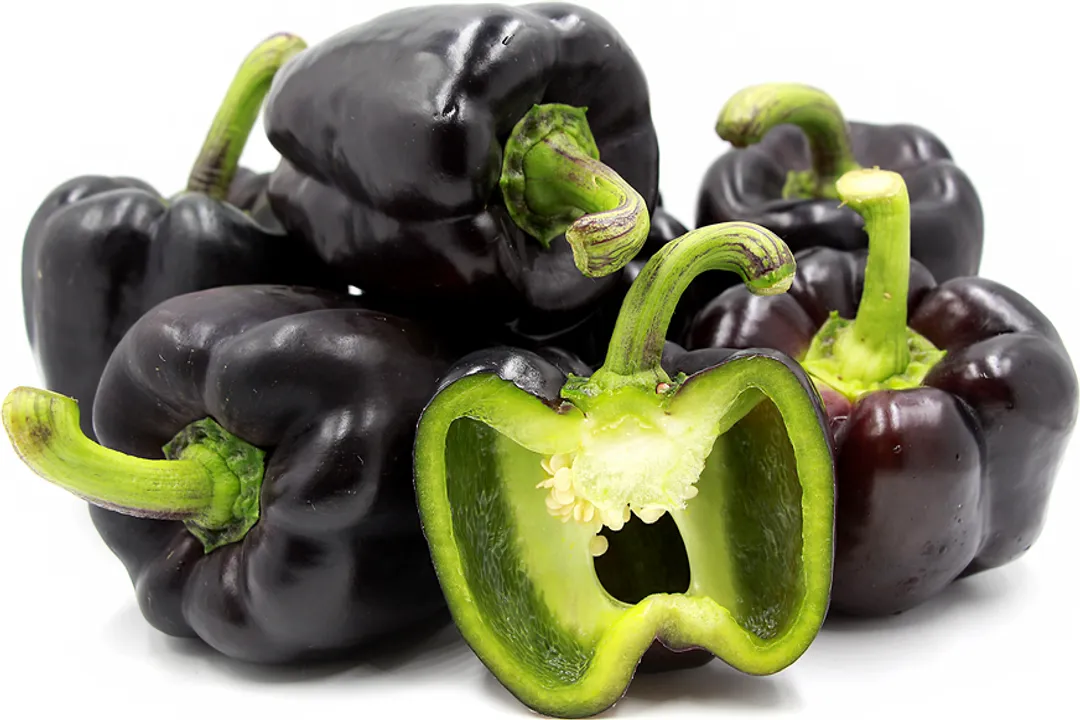
The distinctive deep violet or nearly black skin of a purple bell pepper is not just for show; it signifies the presence of specific natural pigments. This coloration is due to anthocyanins, the very same beneficial compounds found in blueberries, grapes, and blackberries. [1][3] Anthocyanins are powerful antioxidants that offer protective qualities within the body. [3] Interestingly, this purple stage is often just a transient moment in the pepper's life cycle. Most purple peppers start out green, and as they mature, the purple color can deepen before eventually transitioning to yellow, orange, or red as other pigments like carotenoids become more dominant. [3][6] This means that when you purchase a purple pepper, you are getting one that is in a specific, nutrient-rich intermediate phase of ripening. [6]
# Nutritional Profile
While all bell peppers are generally regarded as nutritious, the purple variety brings specific compounds to the table, alongside the standard array of essential vitamins and minerals. [8] Looking at the breakdown, the purple bell pepper stands out, particularly for its Vitamin C content, which is crucial for immune function and collagen synthesis. [1][2][9] A single serving can provide a substantial percentage of the daily recommended intake for this vitamin. [9]
Beyond Vitamin C, purple peppers offer a good dose of Vitamin A, vital for vision and immune health. [2][6] They also contribute B vitamins, such as Vitamin B6, and important minerals like folate, iron, and potassium. [6][9] Furthermore, like other bell peppers, they are relatively low in calories while providing a decent amount of dietary fiber, which aids in digestive health. [9]
To put some of these facts into perspective, here is a look at how some key nutrients compare when examining a typical raw serving size:
| Nutrient | Contribution (Approx.) | Primary Benefit |
|---|---|---|
| Vitamin C | High percentage of daily value | Immune support, antioxidant protection [1][9] |
| Vitamin A | Significant source | Vision and skin health [2][6] |
| Folate | Good source | Cell division and DNA formation [9] |
| Fiber | Contributes to daily intake | Digestive regularity [9] |
# Antioxidant Advantage
The major selling point for the purple variety centers squarely on those anthocyanins. [1] These flavonoids act as potent antioxidants, helping to combat damaging free radicals in the body. [3] While all colored peppers contain beneficial compounds, the presence of anthocyanins specifically targets certain areas of health protection that might be less pronounced in standard green or yellow varieties.
When deciding how to incorporate these into your meals, the heat factor is something to keep in mind. The rich purple pigment, which signals the presence of anthocyanins, is not always stable under high heat. [3][6] If your primary goal in choosing the purple pepper is to maximize the intake of that specific pigment, you might want to prioritize consuming them raw or only lightly cooked. For instance, slicing them thinly for a fresh salad or adding them near the end of a stir-fry might preserve more of the visual appeal and, by extension, those unique compounds, compared to prolonged roasting where the color tends to fade to a dull green or blackish hue. [3] This distinction between preserving water-soluble vitamins like Vitamin C (which is generally retained well in raw peppers) and preserving the heat-sensitive pigments requires a strategic approach to preparation. [1]
# Flavor and Ripeness
For many home cooks, the taste is as important as the nutrition. Purple bell peppers are generally described as being sweeter than their green counterparts. [6] Green peppers are simply unripe; as they mature through the purple stage towards red or orange, their sugar content naturally increases, leading to a milder, sweeter flavor profile. [2][3] If you prefer a slight "bite" or bitterness characteristic of less ripe peppers, the purple stage might offer a pleasant middle ground before full sweetness develops.
When selecting them at the market, look for peppers that feel firm and heavy for their size, with taut, glossy skin. [5] A slight variation in color intensity from one pepper to the next is normal, as even within the same batch, individual peppers might be at slightly different points in their ripening sequence. [6] A helpful tip for shoppers is to remember that if you buy them when purple and store them, they may continue to change color over a few days, potentially losing that intense violet color as they sweeten further toward red or yellow. [3]
# Culinary Integration
The versatility of purple peppers means they can be used almost anywhere you would use other sweet peppers. Their unique color can add visual appeal to dishes where other peppers might blend in. Imagine them diced into a fresh salsa or sprinkled over a white rice dish for a striking contrast. [5]
However, their flavor and texture profile also make them excellent candidates for quick sautés. Because the color may fade when cooked, a good strategy is to combine them with other colored peppers—like red or orange—in cooked applications. This way, even if the purple ones turn a less vibrant shade, you still have a colorful medley to enjoy. [3] If you are making a dish where the pepper's texture needs to hold up, like a fajita filling, they perform similarly to other sweet varieties, though you should be mindful of the cooking time if the vibrancy matters to you. [10]
# Consideration Points
While bell peppers, in general, are highly beneficial, it's always worth considering general consumption advice. Bell peppers are well-tolerated by most people, but like other nightshades, some individuals might find that consuming the seeds or membranes can occasionally lead to digestive discomfort. [10] For the vast majority, however, they are an excellent, low-risk addition to the diet.
It is also worth noting that the process of growing these unique vegetables often involves careful selection, as some cultivators work to maintain that striking color through specific growing conditions or variety selection. [1] Supporting local growers who experiment with unique pepper varieties can sometimes lead to finding the freshest specimens that showcase the color at its peak intensity. If you are keen on growing your own, understanding that the color is an indicator of the anthocyanin stage rather than the final ripeness can help guide your harvest timing based on whether you prefer sweetness or that specific antioxidant profile. [5]
Ultimately, choosing a purple bell pepper over a red or yellow one offers a slight but distinct nutritional shift due to the presence of anthocyanins, all while providing the familiar, excellent vitamin foundation that makes all sweet peppers such a healthy choice. [1][2][9] They are certainly good for you, offering a colorful, flavorful way to boost your daily antioxidant and Vitamin C intake. [1][3]
Related Questions
#Citations
Grow unique Purple Capsicum now - Know its benefits - Urja Seeds
Purple Holland Bell Peppers Information and Facts
Everything You Need to Know About Purple Peppers
Benefits of Purple Peppers + Efficacy, Medicine, Nutrient content
Purple peppers with light green flavor - Facebook
All About Purple Bell Peppers — Ark Foods - A Modern-Day Farming ...
PURPLE Bell Peppers? - YouTube
The Health Benefits of Bell Peppers - Saber Healthcare Group
Purple bell pepper Nutrition - SnapCalorie
What are the advantages and disadvantages of consuming bell ...