What organs are peppers good for?
Peppers of all kinds, from the mildest bell to the fieriest habanero, offer a surprising array of health advantages that go far beyond simply adding color or heat to a meal. These members of the Capsicum family have been cultivated for thousands of years, originating in the Americas, and modern science continues to uncover why indigenous populations valued them so highly for both culinary and medicinal uses. [2][4] While many associate peppers only with the burning sensation of spice, the nutritional profile and beneficial compounds present in both sweet and hot varieties work systemically to support various bodily functions, impacting everything from cardiovascular health to cellular defense. [1][7] Understanding where the benefits truly lie—in the vitamins, the specific plant compounds, or the famous heat—helps one choose the right pepper for their plate. [8]
# Capsaicin Power
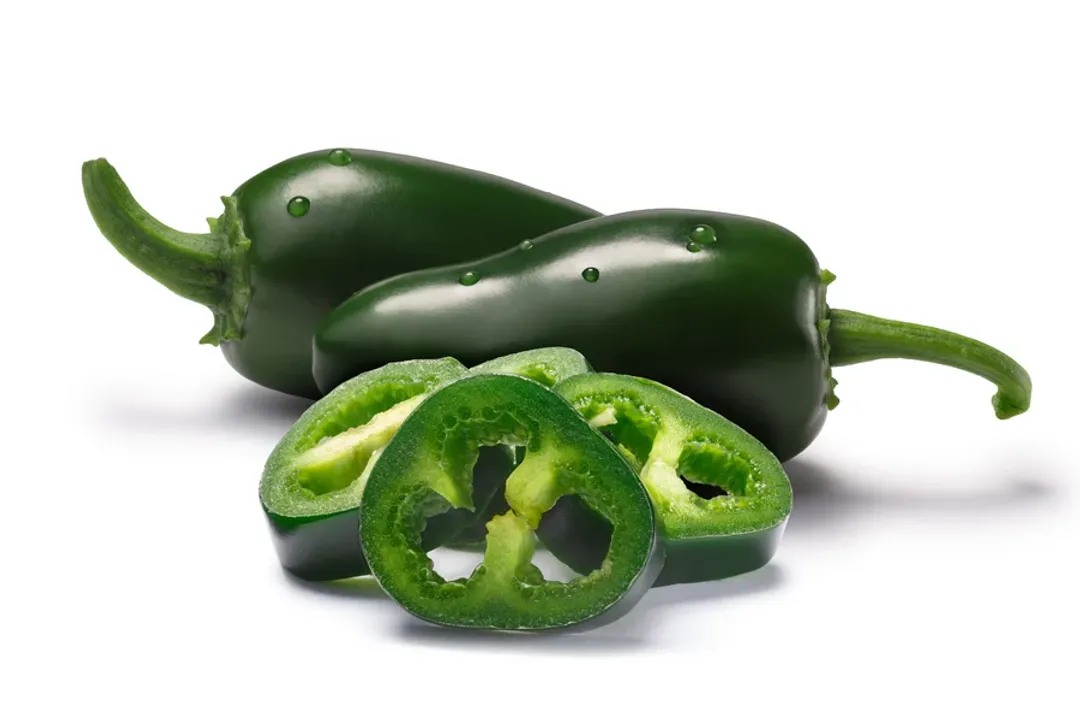
The defining characteristic of hot chili peppers is the compound responsible for their fire: capsaicin. [1][2] This phytochemical is concentrated in the interior, vein-like areas of the pepper, not in the seeds themselves, though the seeds are hot due to proximity to the source. [1] While bell peppers are distinguished by the fact that they contain no capsaicin, [5] the presence of this compound in their pungent relatives is directly linked to several potent health outcomes. [1][7]
Capsaicin interacts with specific neural receptors throughout the body, notably the TRPV1 receptor, which can then be activated or desensitized. [6][9] This interaction is central to many of its therapeutic effects. [6]
For those concerned about heart health, research indicates that capsaicin can play a supportive role in prevention and management. [1][6] It has been suggested to improve heart health by boosting adipokines, which help reduce the inflammation associated with both type II diabetes and atherosclerosis, a condition that can lead to heart disease. [1] Furthermore, capsaicin appears to exert a positive effect on the kidneys, potentially helping to flush excess sodium from the body, which can contribute to lowering high blood pressure, especially in at-risk individuals. [1][6] Some studies also suggest capsaicin improves cholesterol by making blood vessels more resistant to oxidized low-density lipoprotein (LDL), or "bad" cholesterol, and may even help break down and remove existing cholesterol. [2][6]
Another compelling area of investigation surrounds its potential in oncology. Scientists have observed that capsaicin may possess the ability to induce apoptosis—a form of programmed cell suicide—specifically within tumor cells, while leaving healthy cells untouched. [1] Research has shown this effect against human breast and leukemia cancer cells, with hope that it may apply to other cancers as well. [1][2]
# Sweetness Matters

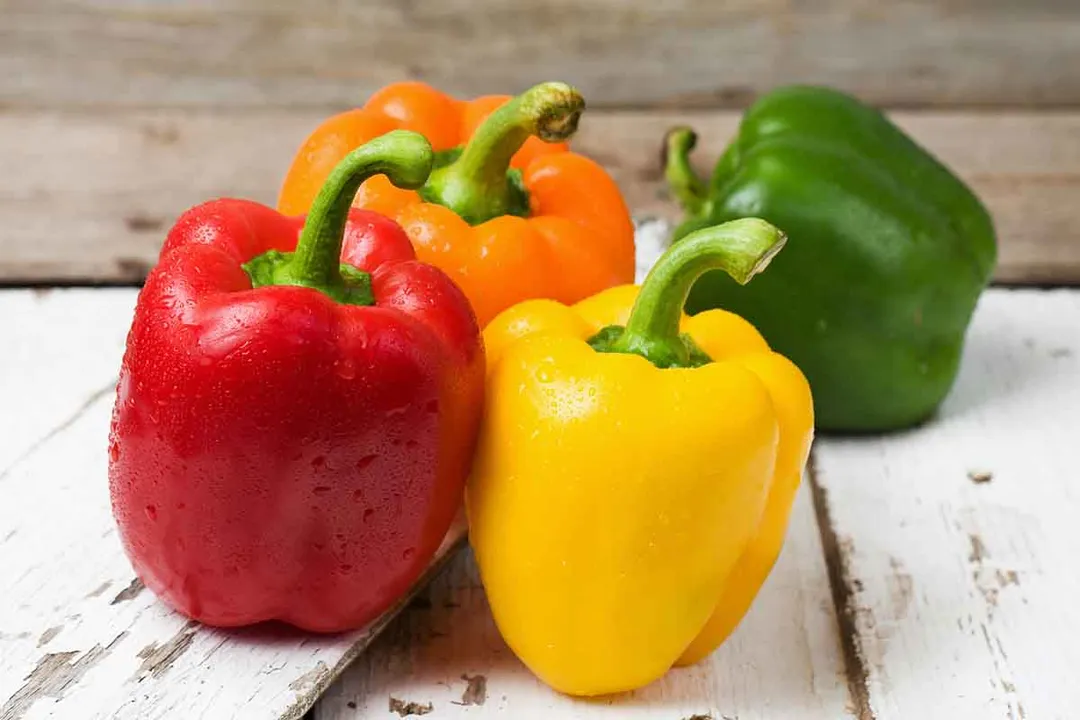
While hot peppers get their reputation from capsaicin, the non-pungent bell peppers offer a gentler route to significant nutrition. [5] Bell peppers come in a spectrum of colors—green, yellow, orange, and red—each offering slightly different concentrations of beneficial plant compounds. [3][8]
The key takeaway when selecting bell peppers is that color correlates with ripeness, and ripeness generally dictates nutrient density. [4][5] Green bell peppers are simply unripe versions harvested before they have the chance to develop the yellow, orange, and finally, red pigmentation. [4] Because they remain on the vine the longest, red bell peppers are the sweetest and pack the greatest nutritional punch among the sweet varieties. [4][5] In a direct comparison, red peppers boast nearly eleven times more beta-carotene and twice the Vitamin C of their green counterparts. [4]
However, this isn't a complete dismissal of the green varieties. Immature green peppers are noted to be significantly richer in protective plant compounds known as polyphenols compared to their fully mature red equivalents. [7] The advice from nutrition experts is often to embrace the whole rainbow, as consuming a variety of colors ensures you receive the broadest spectrum of vitamins and phytonutrients daily. [5][8]
# Eye Shield Carotenoids
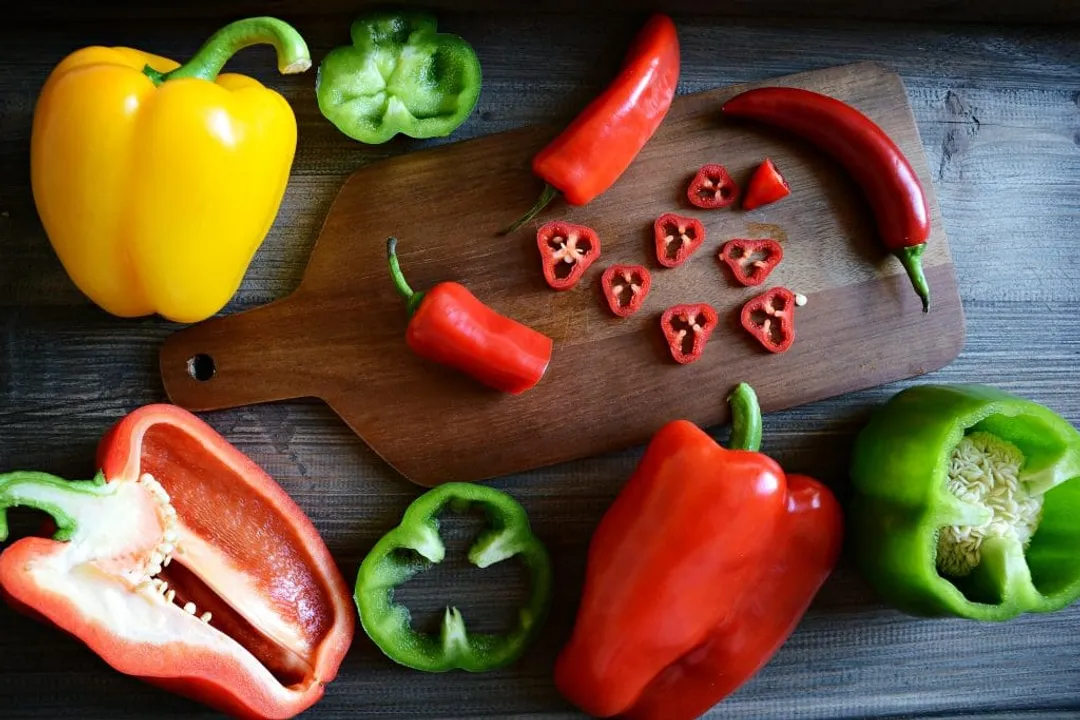
One area where bell peppers shine, particularly the red, orange, and yellow ones, is in supporting long-term vision health. [5][7] This benefit is largely attributed to high concentrations of specific carotenoids: lutein and zeaxanthin. [3][7] These compounds are vital because they concentrate in the retina, the eye's inner nerve lining, where they actively work to protect this delicate tissue from oxidative damage. [3][7]
Sufficient intake of foods rich in lutein and zeaxanthin is scientifically linked to a significantly reduced risk of developing two common age-related vision impairments: cataracts and macular degeneration. [7] While the red pepper’s distinct color comes from another beneficial pigment called capsanthin—also a powerful antioxidant—it is the presence of lutein and zeaxanthin that directly targets this specific organ system. [7]
Considering the foundational role of vitamins, it is interesting to note the synergy between different nutrients across pepper types. While hot peppers deliver capsaicin for systemic action, sweet bell peppers deliver the specific carotenoids needed for focused retinal protection. If you are building a diet focused on preventative care for the eyes, raw bell peppers—especially the red ones due to their high beta-carotene content—should be a staple. [3][5]
# Digestive Support

Both sweet and hot peppers contribute positively to digestive wellness, though through slightly different mechanisms. For bell peppers, the benefit is largely derived from their dietary fiber content. [3][4] A single cup of raw, chopped bell pepper provides about 2.5 grams of fiber. [3][4] This bulk-adding effect is essential for promoting regular digestive function by softening stools and making them easier to pass, potentially lowering the risk of issues like hemorrhoids. [4] Furthermore, a diet high in diverse fiber sources, including bell peppers, is associated with a reduced risk of developing inflammatory bowel disease (IBD) and colon cancer. [3]
When it comes to hot peppers, capsaicin acts as a soothing agent within the digestive tract, functioning as an anti-irritant. [2] This might seem counterintuitive given the immediate sensation of heat, but capsaicin, alongside other antioxidants in chili peppers, can help calm issues like upset stomachs, cramps, intestinal gas, and even diarrhea. [2] The mechanism involves stimulating gastric juices and counteracting excessive acidity in the digestive system. [2] This dual approach—fiber for mechanical function and capsaicin for chemical soothing—shows that the entire pepper family supports gut regularity. [2][3]

# Color Spectrum Nutrition
Beyond the specific benefits of capsaicin or lutein, peppers, in general, are nutrient powerhouses, low in calories and containing no unhealthy fats. [4][5] They are widely recognized for their high content of essential vitamins and minerals across the board. [4][6][9]
Key general nutrients include significant amounts of Vitamin C, Vitamin A, Vitamin B6, folate (B9), potassium, and fiber. [4][5][6][7] For instance, one cup of chopped green bell pepper supplies approximately 120 milligrams of Vitamin C. [4] Chili peppers, per tablespoon, can offer about 108% of the daily Vitamin C requirement. [6]
Vitamin C is crucial for general health, aiding in wound healing and acting as an antioxidant that supports the body against infectious agents. [4][6] Peppers are also rich in other protective antioxidants like Vitamin E and beta-carotene. [7]
In terms of specific mineral contribution, bell peppers provide iron, and their high Vitamin C level significantly enhances the body’s ability to absorb that dietary iron, a mechanism useful for preventing or managing anemia, which is often linked to iron deficiency. [3][7]
Here is a quick comparison of the nutritional focus between the sweet and hot pepper categories:
| Feature | Sweet Bell Peppers (e.g., Red) | Hot Chili Peppers |
|---|---|---|
| Defining Compound | Lutein, Zeaxanthin, Beta-Carotene, Vitamin C | Capsaicin |
| Primary Focus | Eye health, Iron absorption, Fiber/Digestion | Metabolism, Pain modulation, Cardiovascular support |
| Color Ripeness Impact | Red > Yellow/Orange > Green in Vitamin C/Potassium [4][7] | Less defined by color, more by Scoville heat level [1] |
| Caloric Content | Very low (e.g., 46 calories per cup chopped red) [5] | Very low/Negligible dietary content from capsaicin alone [6] |
When thinking about making sure your diet provides all the necessary building blocks, remember that one of the most direct applications of this nutritional data is in meal planning. If you are trying to improve iron status—a common goal, especially for reproductive-age women—pairing a raw bell pepper slice (Vitamin C source) directly with an iron-rich food like lentils, tofu, or red meat is a simple, evidence-based strategy to maximize uptake. [3] This combination approach, often overlooked in favor of focusing on just the iron source, is where integrating diverse produce like bell peppers truly adds value to dietary goals. [3]
# Pain Management
The power of capsaicin extends beyond internal processes into direct pain relief, primarily via topical application, but also possibly through dietary consumption. [2][6] Capsaicin is the active ingredient in many over-the-counter creams, patches, and ointments designed to ease various types of pain. [2][9]
The analgesic effect stems from its capacity to interfere with pain signaling. Capsaicin works by depleting nerves of Substance P, a neuropeptide that transmits pain messages to the brain. [2][6] This action makes it useful for managing chronic issues like arthritis, fibromyalgia, muscle sprains, shingles pain, and even nerve damage associated with diabetes (neuropathy). [2][6]
Interestingly, hot peppers may also offer relief from the intense, specific pain of migraines. [2] The theory suggests that consuming a hot pepper forces the body to focus on the burning sensation in the mouth, effectively distracting from the migraine pain. More scientifically, researchers believe capsaicin works by desensitizing the trigeminal nerve and depleting CGRP, a neurotransmitter implicated in migraine pain transmission. [2]

# Longevity Signals
Finally, the regular consumption of spicy foods appears to correlate with a longer, healthier lifespan, according to population studies. [2][6] Research conducted in China indicated that individuals who consumed spicy foods, primarily chili peppers, once or twice per week were 10% less likely to die prematurely. [2] This protective effect strengthened with frequency: those eating spicy food three to seven times a week showed a lower likelihood of death related to cancer, heart disease, and respiratory illnesses. [2]
This longevity benefit seems stronger when fresh chili peppers are consumed, as fresh and dried forms can vary in their nutritional and active ingredient composition. [9] The overall anti-inflammatory and antioxidant properties inherent in the pepper family, driven by capsaicin and the array of vitamins, create a systemic defense against the chronic conditions often cited as leading causes of mortality. [7][9] Even mild bell peppers contribute to this by offering high levels of antioxidants like Vitamins C and E, and polyphenols like quercetin, promoting an overall anti-inflammatory state which is foundational to health protection. [7]
Related Questions
#Citations
Eating Peppers: Ingredients, Benefits, and Prep Tips - WebMD
The Health Benefits of Red Bell Peppers
The Health Benefits of Bell Peppers | AANMC
Nutrition Smack Down: Which Color Bell Peppers Are the Healthiest?
Top 5 health benefits of peppers - BBC Good Food
Chili Peppers, The Superfood | Western Missouri Medical Center
9 Amazing Benefits of Eating Hot Peppers That You Must Know
What are the Health Benefits of Hot Peppers? - The Spicy Shark
Medicinal uses and health benefits of chili pepper (Capsicum spp.)