Is surgical steel good for skin?
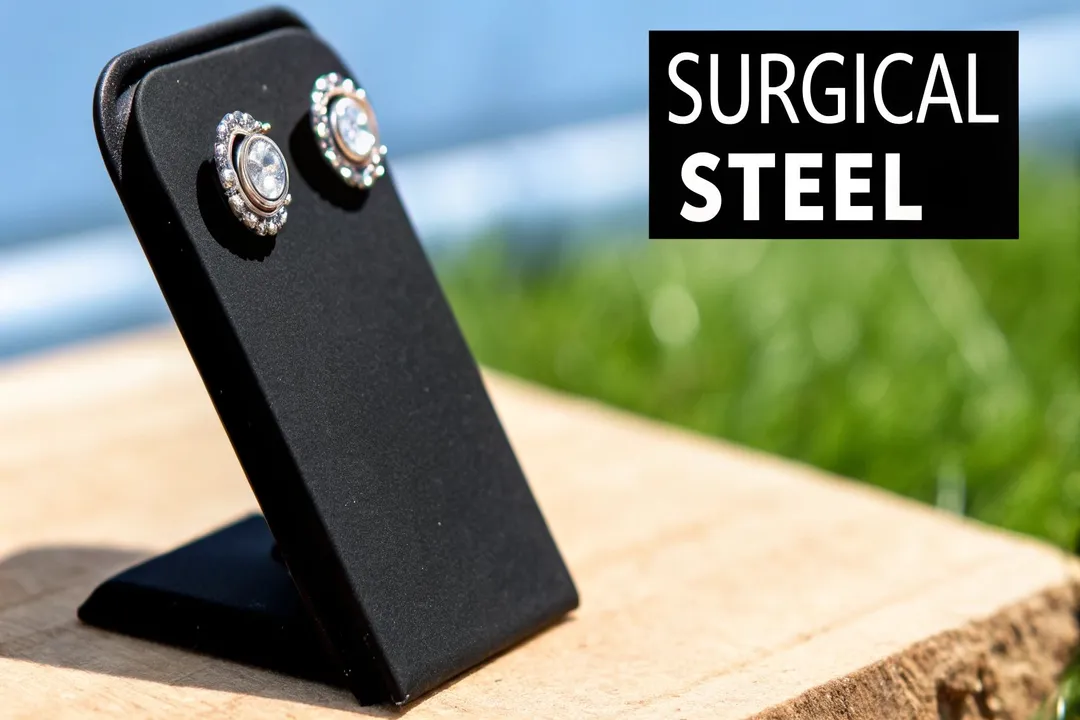
When looking for jewelry that sits comfortably against the skin, particularly for long-term wear or in the sensitive environment of a piercing, the material choice becomes crucial. Surgical steel has gained a reputation as a reliable, skin-friendly option, often touted as a safe harbor for those who react poorly to common costume jewelry alloys. [1][8][9] This popularity isn't accidental; it stems from the specific metallurgical properties that differentiate it from other common metals found in the marketplace. [6]
# Material Distinction
Understanding what surgical steel actually is requires a closer look at its classification. Often, the term "surgical steel" is used somewhat loosely in the jewelry industry, but fundamentally, it refers to a type of stainless steel. [6][9] Stainless steel is an iron alloy containing a minimum of 10.5% chromium, which forms a passive, protective oxide layer on the surface, making it resistant to corrosion and rust. [6]
Surgical steel, specifically in the context of body jewelry, often refers to grades like 316L. [3] The 'L' in 316L stands for low carbon, which is beneficial for welding and reduces the chances of intergranular corrosion—though for the wearer, the key benefits lie in its reduced leaching of skin irritants. [3] While all surgical steel is stainless steel, not all stainless steel is considered high-quality enough for surgical or high-contact body jewelry applications. [6] For example, some lower grades of stainless steel might contain higher levels of nickel or chromium that can leach out when exposed to bodily fluids or sweat, leading to irritation. [1] The 316L grade is frequently considered the gold standard for body piercing jewelry precisely because of this superior inertness. [3]
# Allergy Concerns
The primary reason individuals with sensitive skin gravitate toward surgical steel revolves around its low potential for triggering allergic reactions, most commonly to nickel. [1][3] Nickel is a frequent culprit in contact dermatitis, causing redness, itching, and inflammation when it comes into contact with skin. [1]
Surgical steel alloys, particularly the 316L variety favored for body jewelry, boast a lower nickel content compared to some other stainless steel types or costume jewelry. [3][5] Furthermore, the stable, passive oxide layer inherent to stainless steel helps to keep elements like nickel and chromium locked within the metal matrix, minimizing their ability to leach out onto the skin surface. [1][6] This stability is what gives surgical steel its excellent biocompatibility in environments where constant skin contact occurs, such as piercings. [3]
If you are comparing materials, it’s helpful to consider that precious metals like gold or platinum are often prized for their inertness, but they come at a significantly higher cost. [1] Surgical steel offers a high level of protection against common metal sensitivities at a much more accessible price point. [8] When shopping, look for jewelry explicitly marked or advertised as 316L surgical stainless steel if you have known sensitivities. [3][5]

# Piercing Applications
For new piercings, the material used is arguably more critical than for simple earrings worn in fully healed lobes. Body piercing professionals often recommend or require surgical steel, especially 316L, for initial jewelry insertions. [3] This practice is based on the metal’s proven track record for promoting healing and reducing irritation in compromised tissue. [3]
The integrity of the metal matters immensely when the skin barrier is broken. A highly reactive metal can significantly slow the healing process or introduce chronic irritation, turning a simple piercing into a persistent problem. [3] While titanium is often cited as the most inert option, surgical steel remains a highly trusted and widely used alternative for initial jewelry and long-term wear in many body modification fields. [3]
It is important for consumers to know what they are buying. In some online marketplaces, jewelry might be generically labeled as "surgical steel," leading to confusion. [2] If you purchase an item and have questions about its composition, contacting the vendor directly for clarification on the specific grade (like 316L) is a good preventative step before wear. [2] A reputable seller should be able to confirm the alloy used for their stainless steel offerings. [2]
# Earring Suitability
The suitability of surgical steel extends naturally to earrings, a common source of skin issues for many people. [4][5] Many individuals who cannot tolerate plated base metals or lower-quality alloys find relief wearing earrings made from stainless steel designed for sensitive skin. [5]
For standard lobe piercings, stainless steel earrings are a very common recommendation because they resist tarnishing and offer better durability compared to softer metals. [4] However, just like with body jewelry, ensuring the earring backs and posts are made of a quality surgical grade steel is important if you have chronic sensitivity. [4] Sometimes, the issue isn't the main body of the earring but a cheaper, less-tested metal used for the posts or clasps, so checking the entire piece is beneficial. [5]
If you notice slight irritation even with a piece marked as surgical steel, it might be helpful to check the finish. Sometimes, lower-quality surgical steel pieces might have a thin plating that wears off, exposing the underlying material, or the piece might not be 316L. [1][5] A good practice, especially for new jewelry or piercings, is to keep the area clean and dry, as moisture can accelerate the breakdown of any surface layer, regardless of the base metal quality. [5]

# Surface Finishes and Quality Checks
Beyond the core metal composition, the surface finish plays a part in how the skin interacts with the jewelry. [3] Highly polished surfaces are generally preferred because they are smoother and less likely to harbor bacteria or irritants compared to rough or porous finishes. [3] Surgical steel’s inherent durability allows it to maintain a high polish over time, contributing to its long-term wearability. [8]
When evaluating a piece of stainless steel jewelry, be aware that the general term "stainless steel" covers a wide spectrum of materials, and only certain grades meet the benchmark for skin-friendly jewelry. [6] A common comparison is between standard stainless steel and surgical steel; while both contain chromium, the specific proportions and additions in surgical grades are what make them better suited for direct, prolonged body contact. [6] If a manufacturer is vague, or the price seems unusually low for what is claimed to be high-grade steel, caution is warranted. [2] Trusting established jewelry or piercing supply vendors who adhere to material standards is often a safer bet than relying solely on vague marketing terms. [4]
# Practical Considerations for Wear
While surgical steel shines in its hypoallergenic properties, it’s also valued for its practicality. [8] It is highly resistant to corrosion, does not easily tarnish like sterling silver, and is significantly harder and more durable than many softer precious metals. [8][9] This means that a necklace or ring made from surgical steel can withstand daily wear and tear, including exposure to water and environmental factors, without rapidly degrading its appearance or structural integrity. [8]
However, this durability can sometimes be a double-edged sword if the piece requires reshaping. Stainless steel alloys are generally harder than, say, pure silver or gold, meaning they are more difficult for a jeweler to modify without specialized tools. [1] For the average consumer, this just translates to longevity—your jewelry is less likely to bend out of shape during normal activity. [9]
One thing to consider when purchasing items like chains or intricate link jewelry made of surgical steel is the weight. Because steel is denser than aluminum or some other costume metal options, a large piece of surgical steel jewelry will feel noticeably heavier on the body, which some wearers prefer for a feeling of substance, while others might find tiring over hours of wear. [7]
To maintain the skin-friendly nature of your surgical steel items, a simple cleaning routine goes a long way. Even the best hypoallergenic metals can accumulate oils, dead skin cells, and environmental residue. A gentle wash with mild, unscented soap and warm water, followed by thorough drying, can re-establish that clean, non-reactive surface layer, ensuring your jewelry remains safe for sensitive skin over many years. [5] This routine is especially important for items worn continuously, like rings or body jewelry. [3]

# Distinguishing True Value
When assessing whether surgical steel is good for your skin, you are really asking if its material benefits outweigh potential quality variations on the market. If you have a known allergy to nickel, surgical steel—particularly 316L—provides a high level of confidence, offering an excellent balance between safety, durability, and cost compared to more expensive alternatives like implant-grade titanium or solid gold. [1][3]
For someone new to wearing metal jewelry after experiencing reactions, starting with a high-quality surgical steel stud or simple hoop for the ears is a practical first step. If you tolerate that piece perfectly for several months, you have a reliable baseline material for future purchases. [5] If, on the other hand, you react to surgical steel, it strongly suggests your sensitivity may not be to nickel or chromium alone, but perhaps to iron itself or trace elements in the specific alloy, pointing toward a need to choose non-ferrous metals like solid sterling silver or gold entirely. [1]
It is worth noting that while surgical steel is widely accepted, absolute inertness is difficult to guarantee across all human biologies. Some niche communities or professional body piercers might prioritize implant-grade materials (like titanium or niobium) as the absolute safest choice for severely compromised or new tissue, as these materials have even stricter controls on trace element impurities than standard 316L surgical steel. [3] However, for the general public seeking durable, beautiful, and non-irritating everyday jewelry, surgical steel remains an incredibly sound investment. [8][9] It represents a significant step up from plated costume jewelry where nickel is often the main ingredient causing problems. [1]
Ultimately, the strength of surgical steel for skin contact lies in its established history and well-documented performance in medical and piercing environments, offering a strong, corrosion-resistant, and relatively hypoallergenic material for those seeking reliable adornment. [3][8]
Related Questions
#Citations
The Essential Role of Surgical Steel in Skin-Friendly Jewelry
Is jewelry/earrings marked as made from surgical steel completely ...
Why Surgical Steel 316L is the Gold Standard for Body Piercing ...
Is Surgical Steel Good for Earrings or Piercings?
The Ultimate Guide to Surgical Steel Earrings for Sensitive Skin
Understanding the Differences Between Stainless Steel and ...
Allergies to stainless steel jewelry with nickel - Facebook
Surgical Steel Jewelry: Why It's Better Than Gold & Silver - Brillo Miami
What Is Surgical Steel Jewelry and Is It Right for You? - BodyCandy