Is purple corn good for the kidneys?

The vibrant hue of purple corn, far beyond its appeal in traditional beverages like chicha morada, has drawn significant scientific attention regarding its potential health benefits, particularly concerning kidney function. When examining dietary components for protective effects against organ damage, the powerful antioxidants concentrated in this specific maize variety stand out in preclinical research. [2][3]
# Anthocyanin Content
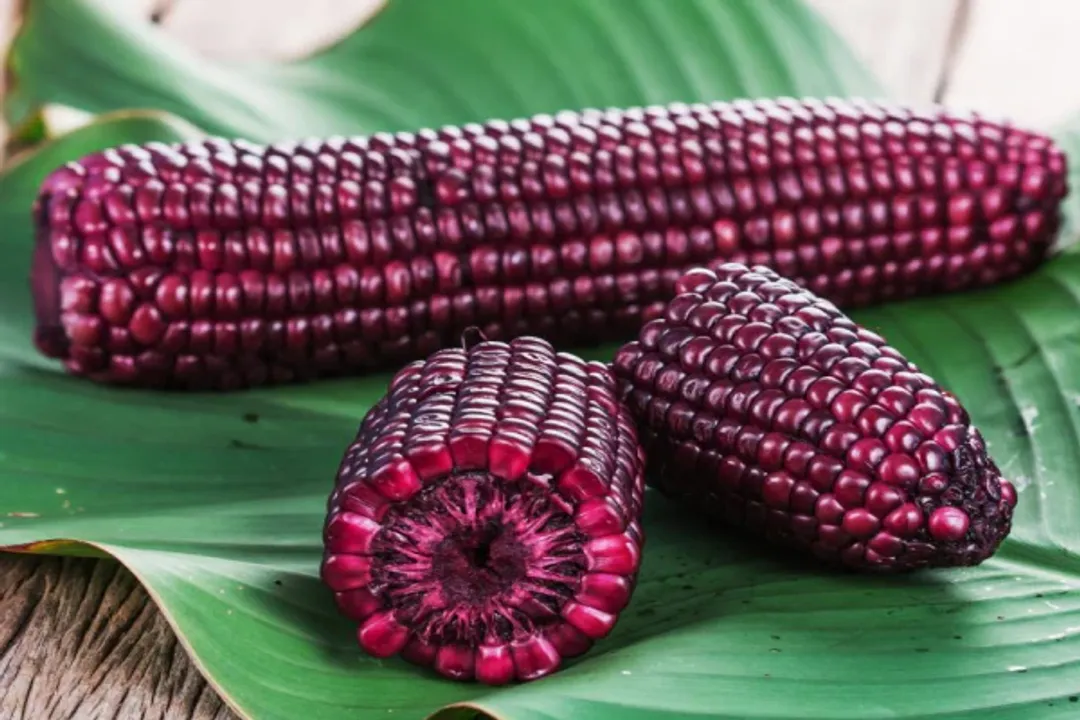
The striking deep purple color of this corn variety is thanks to a high concentration of anthocyanins. [3] These specific flavonoid compounds are widely recognized in nutritional science for their strong antioxidant and anti-inflammatory properties. [2] It is these very properties that researchers have focused on when investigating how purple corn might interact with the delicate balance of kidney health, especially in disease states characterized by high oxidative stress and chronic inflammation. [1][4]
# Rat Nephropathy
Much of the current excitement surrounding purple corn and kidney health stems from controlled animal studies, specifically those involving rats bred or induced with diabetes. In these models, researchers have observed that dietary supplementation with purple corn extract (PCE) offered significant protective effects against the development and progression of nephropathy, or kidney disease, often associated with diabetes. [1][5][7]
For instance, studies have demonstrated that administering PCE to diabetic rats led to a marked reduction in several key indicators of kidney damage when compared to control groups that did not receive the extract. [4][6] This protective action suggests that the active compounds in the corn can counteract some of the primary drivers of kidney deterioration in metabolic disorders. [3]
It is important to note a comparison point here: while many plant-based foods offer general health benefits, the targeted investigation into purple corn suggests its anthocyanins may have a more specific modulating effect on the pathways leading to diabetic kidney injury, rather than just general systemic antioxidant support. [9]
# Stress Reduction
The protective mechanism appears to center on mitigating the cellular damage caused by high blood sugar environments. In diabetes, the kidneys are subjected to increased oxidative stress—an imbalance between free radicals and the body's ability to neutralize them—which injures kidney tissues. [1][9] Research confirms that purple corn extract helps dampen this stress response. [4][7]
Furthermore, the kidneys in diabetic models often exhibit increased apoptosis, or programmed cell death, in their functional units. The administration of PCE has been associated with a reduction in this cell death within the kidney tissue, effectively preserving more healthy cells. [1][4] Another critical finding involves inflammation. Diabetic nephropathy is characterized by chronic inflammation within the kidney. Studies using purple corn extracts reported reductions in inflammatory markers, suggesting that the compounds actively interrupt this damaging inflammatory cycle. [4][6][7]
One particularly detailed finding indicates that anthocyanins can directly address a structural problem in diabetic kidney disease: the proliferation of mesangial cells. [9] These cells provide structural support within the kidney’s filtering units (glomeruli). Excessive proliferation of these cells is a hallmark of diabetic nephropathy, leading to reduced filtering capacity. By reducing this proliferation, linked to lower oxidative stress, purple corn components appear to target a root structural cause of diabetic kidney decline in these animal models. [9]
# Dietary Context
While the preclinical evidence strongly points toward the therapeutic potential of concentrated purple corn components for kidney protection in diabetic states, it is essential to place this within the broader context of kidney health and nutrition. For individuals already managing chronic kidney disease (CKD), the focus often shifts to managing mineral intake, such as phosphorus and potassium. [8] Corn, as a whole food, is generally considered a starchy vegetable, and its inclusion in a kidney-friendly diet depends heavily on the specific stage of kidney function and the patient's required restrictions. [8] Therefore, while the extracts show promise in preventing disease progression, eating whole corn requires mindful consideration of mineral levels for those already compromised. [8]
The most compelling research focuses on the specialized extract, which concentrates the beneficial anthocyanins far beyond what a typical serving of corn (even purple corn) might provide. [5] This highlights a key distinction: the concentrated intervention used in studies versus the whole food consumed daily.
If someone is considering purple corn for its potential renal benefits, it is prudent to first assess current kidney function. For a person with healthy kidneys wishing to incorporate it preventatively, substituting white or yellow corn with purple corn in meals might offer a straightforward way to increase antioxidant intake. [2] However, for those already diagnosed with significant kidney impairment, consuming purple corn extract therapeutically would require consultation with a renal dietitian or physician, as the effective dose and safety profile have primarily been established in animal models using specific extracts. [5]
A practical consideration for those interested in these benefits is understanding the difference between the grain itself and processed extracts. If you are sourcing corn products, look for those derived from specific purple strains, though identifying the anthocyanin concentration in commercially available whole-grain products can be difficult. For example, many corn-based snacks or flours might not retain the high levels of active compounds found in the specific, often freeze-dried or concentrated extracts used in laboratory testing. [5]
One practical pathway for integrating this into a renal-supportive diet, assuming medical clearance, involves exploring traditional preparations. For instance, making a mild chicha morada (a traditional Peruvian beverage) using only the kernels and minimal added sugar might provide some bioavailable anthocyanins without the high mineral load sometimes associated with other corn products. In this preparation, the water extraction process could potentially release the beneficial compounds into a liquid format, which might be easier to moderate than large portions of solid food for some dietary plans. [2]
Another analytical point arises when comparing the intervention type. The studies show success with an extract administered to diseased animals. [1][4] Translating this to a human dietary recommendation requires understanding if the human body processes and absorbs these compounds from whole cornmeal comparably. It is entirely plausible that the sheer quantity of anthocyanins needed to replicate the rat study effects would necessitate consuming far more whole purple corn than is practical or desirable from a caloric and carbohydrate perspective. Thus, the evidence points more toward a targeted supplement derived from purple corn, rather than relying solely on the vegetable itself, to achieve the specific renal protective effects observed in the lab. [5]

# Future Needs
The scientific consensus, based on the current literature, strongly suggests that anthocyanins from purple corn have a substantial potential to protect against the damaging effects of diabetic nephropathy in animal models. [1][5][7] The consistent findings across multiple studies regarding the reduction of oxidative stress, inflammation, and apoptosis make a compelling case for further human investigation. [4][9] However, the clear barrier remains the transition from controlled rat studies to proven human dietary intervention. [5] Until high-quality, randomized controlled trials involving human subjects with diabetes and kidney concerns are completed, the therapeutic application of purple corn for kidney health remains strongly evidenced at the preclinical level but unverified in clinical human practice.
Related Questions
#Citations
Purple corn anthocyanins retard diabetes-associated ... - PubMed
Anthocyanins in Purple Corn May Help Combat Type 2 Diabetes ...
Corn Helps Type 2 Diabetes, Kidney Complications
Purple corn anthocyanins dampened high-glucose-induced ...
Purple corn extracts show benefits for diabetic's kidney health
Anthocyanin-Rich Purple Corn Extract Inhibit Diabetes-Associated ...
Compound found in purple corn may aid in developing future ...
Food Facts Friday: Corn for a Kidney Diet | DaVita
Purple corn anthocyanins inhibit diabetes-associated glomerular ...