Do chili peppers lower blood pressure?
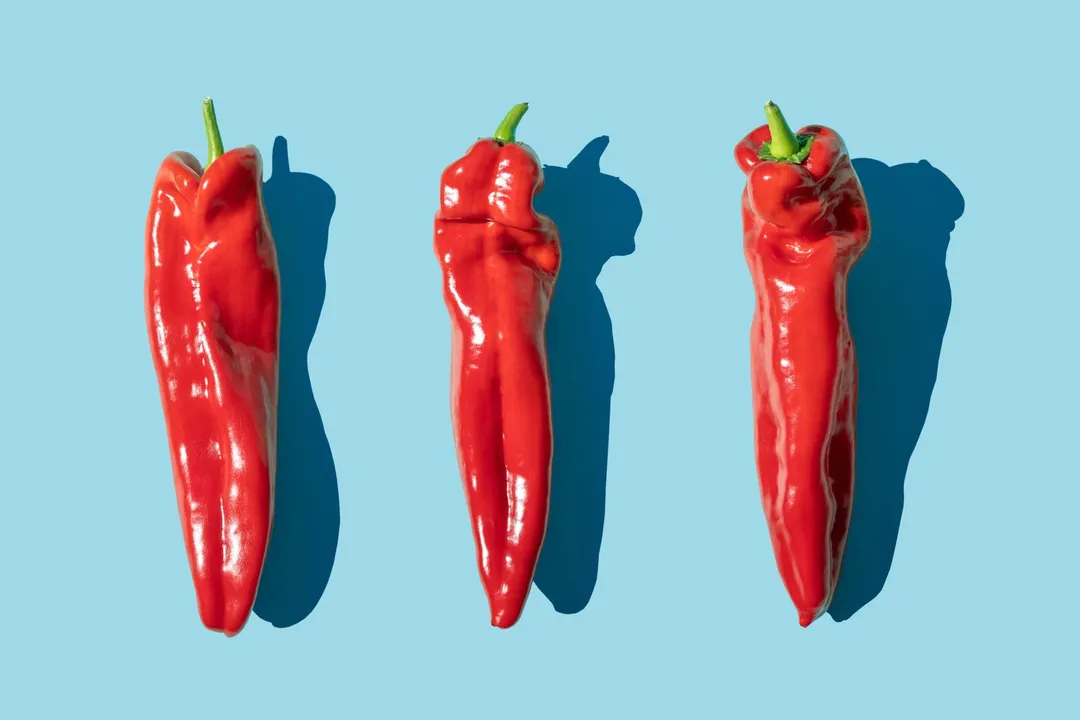
The simple act of adding heat to your plate might do more than just make your eyes water; it could potentially influence your cardiovascular health, particularly blood pressure levels. For generations, cultures around the globe have embraced the fiery kick of chili peppers, often attributing general wellness benefits to these colorful additions to the diet. [3] Modern science is now investigating whether this anecdotal wisdom holds up under scrutiny, specifically focusing on whether regular chili pepper consumption can help dial down high blood pressure. [1][4]
# Active Compound
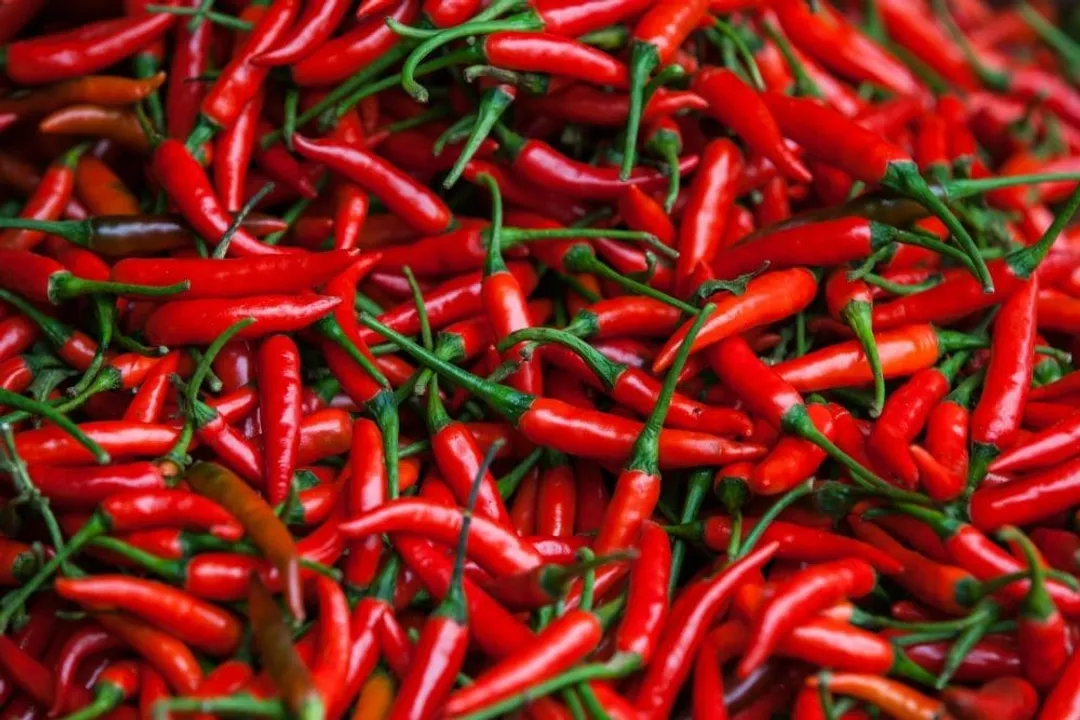
The magic behind the heat, and perhaps the blood pressure effects, centers on a chemical compound called capsaicin. [2][7][9] This is the substance responsible for the burning sensation you feel when biting into a jalapeño or a habanero. [2] Beyond the immediate sting, capsaicin possesses several biological properties that researchers believe are relevant to vascular health. [6]
Capsaicin is known to interact with the transient receptor potential vanilloid 1 (TRPV1) receptor. [6] Think of this receptor as a molecular sensor found on nerve cells that responds to heat and acid, among other stimuli. When capsaicin binds to TRPV1, it initiates a cascade of events within the body's systems. [6]
# Mechanisms Suggested
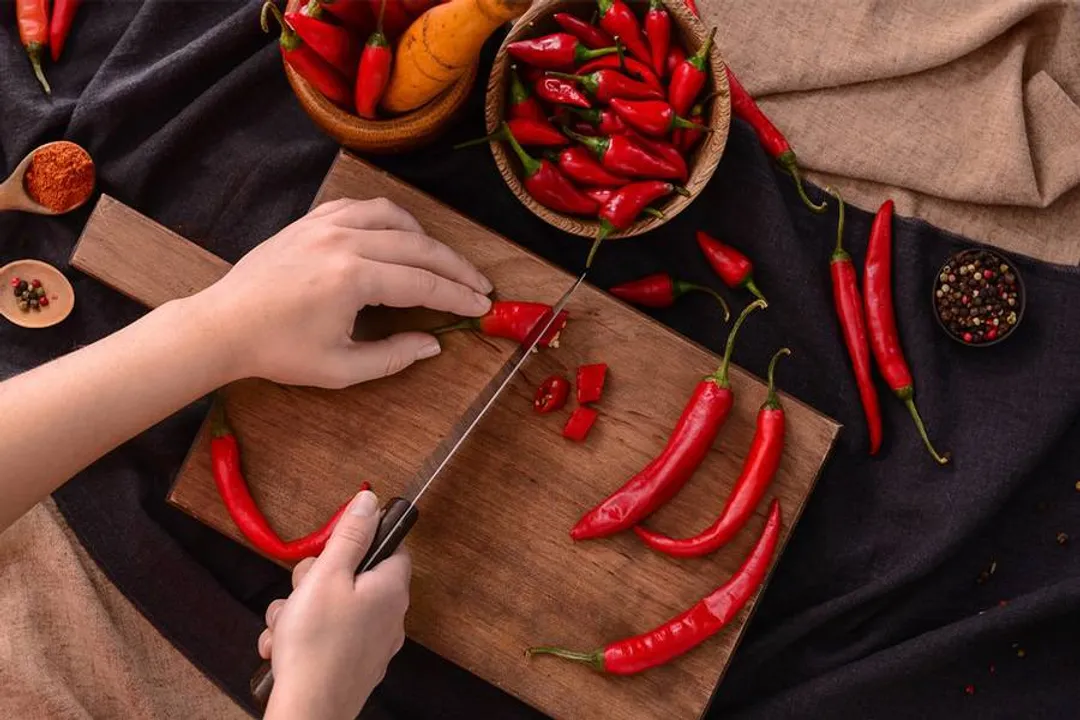
The pathway through which capsaicin might assist in blood pressure management primarily involves blood vessel function. Activation of the TRPV1 receptor, which capsaicin mimics, is thought to trigger the release of nitric oxide. [6]
Nitric oxide is a crucial signaling molecule in the cardiovascular system because it acts as a vasodilator. [5][6] Vasodilation means the relaxation and widening of blood vessels. [4][5] When blood vessels widen, the resistance to blood flow decreases, which directly leads to a reduction in blood pressure. [5] Therefore, if chili consumption leads to increased nitric oxide availability, this could translate to lower systolic and diastolic measurements. [6]
Capsaicin's influence doesn't stop at vessel dilation alone. It also appears to exhibit properties that support overall vascular health and improved blood flow. [4] Furthermore, many varieties of chili peppers are packed with beneficial nutrients, including high levels of Vitamin A and Vitamin C, along with various antioxidants, all contributing to general well-being, which indirectly supports healthy blood pressure regulation. [3]
# Study Findings
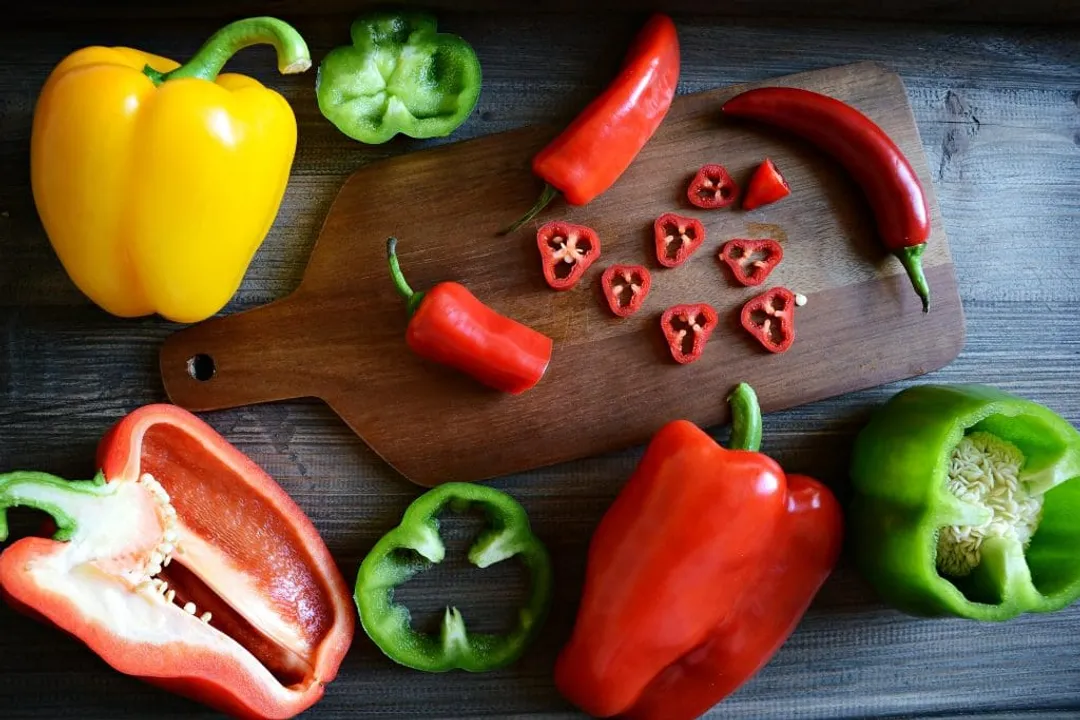
Scientific investigation into this relationship has produced intriguing, though sometimes varied, results. Research on animal models, such as mice fed a capsaicin-enriched diet, has demonstrated that these subjects maintained lower blood pressure compared to control groups. [5]
Looking specifically at human subjects, systematic reviews analyzing the effects of chronic capsaicin intake in individuals with hypertension have often reported a favorable outcome: a reduction in both systolic and diastolic blood pressure measurements. [6] Another review summarizing dietary intake suggested that consistent consumption of capsaicin may indeed correlate with a measurable decrease in blood pressure figures. [8]
However, it is important to temper enthusiasm with the understanding that the results across all human trials are not always perfectly consistent, and sometimes the observed effect size is small. [7] This highlights a common pattern in nutritional science: what works significantly in a controlled lab setting, or in one demographic, may show milder effects when integrated into a diverse, real-world diet. [7]
Here is a quick comparison of the potential benefits often discussed in the context of spicy foods and vascular health:
| Potential Benefit | Primary Mechanism Cited | Notes |
|---|---|---|
| Blood Pressure Reduction | Nitric Oxide Release via TRPV1 activation [5][6] | Evidence suggests this is dosage and duration dependent. [6] |
| Antioxidant Support | High content of Vitamins A and C [3] | Supports cellular health throughout the body. |
| Improved Circulation | Vasodilation [4] | Relaxation of blood vessel walls. |
| Weight Management | Potential appetite suppression/metabolism boost [3] | Indirect benefit for hypertension risk factors. |
# Dietary Inclusion
Understanding the mechanism is one thing; knowing how to safely and consistently integrate these peppers into your routine is another. For those looking to test the theory for themselves, consistency appears more relevant than dramatic, one-off consumption. Adding a sprinkle of dried cayenne to your eggs, mixing fresh jalapeños into salsa, or using chili powder in marinades several times a week seems a more sensible approach than eating an entire ghost pepper once a month. [7] This strategy leans into the idea of chronic, low-level exposure to capsaicin, which the research seems to support for long-term modulation, rather than expecting an immediate therapeutic effect. [6]
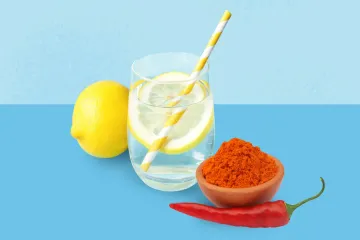
When thinking about how much is appropriate, it is worthwhile to consider how your body reacts. If you are accustomed to bland food, starting with small amounts—perhaps a dash of crushed red pepper flakes—allows your palate to adjust while still introducing the active compounds. [4] Think of it like adding a new supplement: steady, manageable doses are usually preferred over sudden large intakes. A person who normally cooks with no spice might find that adding just a quarter teaspoon of a mild chili powder to a large pot of soup daily introduces a noticeable, tolerable level of capsaicin without causing digestive distress. [7]
# Practical Considerations
While capsaicin seems beneficial for the circulation of some, it is not a universally suitable remedy, nor should it replace prescribed medication for high blood pressure. Anyone managing hypertension must discuss dietary changes with their healthcare provider first, especially if they are on blood pressure medications. [7]
One often overlooked aspect is the source of the capsaicin. Many commercially available hot sauces and spicy condiments contain added sugars, salts, or artificial ingredients, which can negate any potential cardiovascular benefit. [3] If the goal is to manage blood pressure through diet, focusing on fresh or dried chili peppers themselves, rather than highly processed spicy products, is the more direct route to obtaining the beneficial phytochemicals without excess sodium or sugar. [3][4] For instance, using fresh serranos in a homemade guacamole offers the capsaicin benefit without the potential pitfalls of a heavily salted jarred dip.
Furthermore, individual tolerance plays a massive role. While some individuals find that a little heat helps them eat more mindfully or simply enjoy their food more, others experience heartburn, gastrointestinal upset, or discomfort that distracts from any subtle cardiovascular benefit. [7] If the experience is negative, the practice cannot be sustained, rendering the potential benefits theoretical rather than practical for that person. The true experience factor in utilizing chilies for health lies in finding a level of heat that is enjoyable enough to incorporate regularly into your eating habits over months and years.
# Vascular Benefits Overview
The current scientific leanings suggest that capsaicin offers a real pharmacological pathway for modulating blood pressure via the vasodilation mechanism involving nitric oxide. [6] However, it remains one of many beneficial dietary factors, sitting alongside others like potassium intake and fiber consumption. [2] It is best viewed as a potential supporting element in a broader, heart-healthy lifestyle, rather than a standalone solution for hypertension. [7] Maintaining a healthy weight and regular physical activity remain foundational to managing blood pressure effectively. [3]
Related Questions
#Citations
Can Spicy Foods Lower Blood Pressure?
Hypertension And Chili Peppers
Chili Peppers, The Superfood
Turn Up The Heat For Lower Blood Pressure
A New Way to Lower Blood Pressure: Pass the Chili ...
Association between spicy food and hypertension among ...
What Happens to Your Blood Pressure When You Eat Chili ...
The effect of red pepper/capsaicin on blood pressure and ...
Chili Pepper and High Blood Pressure: Can You Eat It?