Are pickled banana peppers good for gut health?
The simple addition of sliced banana peppers to a sandwich or salad often goes unquestioned, treated merely as a tangy condiment offering a mild kick. However, when these vibrant yellow-green peppers undergo the pickling process, a fascinating intersection of nutrition, preservation, and digestive wellness emerges. Moving beyond the fresh vegetable's established vitamin profile, the method of preservation—be it through standard brining or true lacto-fermentation—becomes the defining factor in whether these tangy treats contribute positively to your gut microbiome.
# Pepper Basics
Before diving into the brine, it helps to appreciate the foundational nutrition offered by the banana pepper itself, which is a mild cultivar of Capsicum annuum. [6] In their raw state, these peppers are known for being relatively low in calories, making them an attractive food choice for weight management. [7] They possess a significant amount of Vitamin C, an essential nutrient that supports the immune system. [1] Furthermore, like many brightly colored vegetables, they contain Vitamin A. [1] One source notes that banana peppers provide a modest nutritional boost, containing components like Vitamin A and C, potassium, and iron, although their overall macro-nutrient density compared to other vegetables may be moderate. [7] It is worth noting that the heat level, often measured in Scoville Heat Units (SHU), is generally low, though it can vary. [6] When compared side-by-side with spicier peppers, the concentration of compounds like capsaicin—which has known anti-inflammatory properties—is present but less pronounced. [7]
# Brining Versus Fermentation
The term "pickled" can be ambiguous, and this ambiguity directly impacts the potential gut health benefits of the resulting product. When discussing digestive benefits, we must immediately distinguish between peppers preserved in a standard vinegar solution and those that have undergone traditional lacto-fermentation. [5]
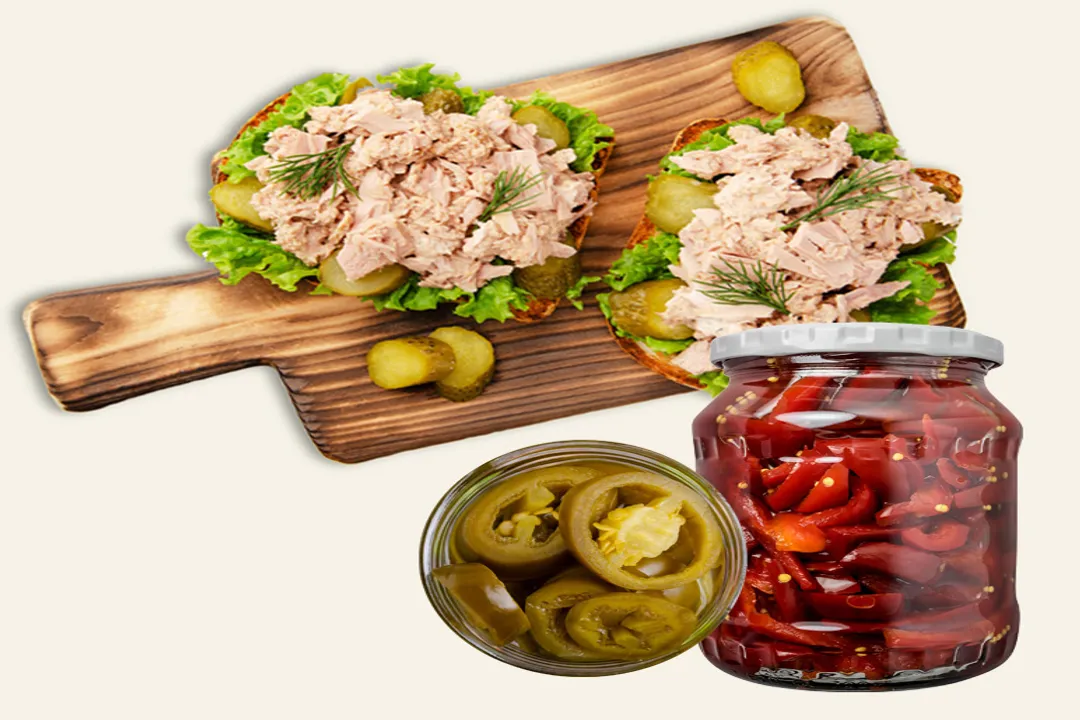
Traditional pickling, often involving vinegar, salt, and sometimes sugar, is primarily a preservation technique. The vinegar lowers the pH environment quickly, inhibiting the growth of harmful bacteria and maintaining the crisp texture of the pepper. [5] While this process certainly extends shelf life and locks in the pepper's inherent vitamins, it does not typically introduce or maintain live, beneficial probiotic cultures, as the high acidity and heat often used in sealing destroy them. [5] You are left with a flavorful, preserved vegetable packed with the original pepper's vitamins, but not necessarily a gut health supplement. [5]
Contrast this with fermented banana pepper pickles. True fermentation relies on a salt-brine solution where naturally present lactic acid bacteria—or intentionally added starter cultures—convert sugars into lactic acid. [5] This slow, controlled process is what generates the characteristic tangy flavor, but more importantly, it cultivates a rich environment for probiotics. [5] These live microorganisms are the core component sought by those looking to actively improve their gut flora. If you are specifically seeking a probiotic boost from your pickles, finding products explicitly labeled as "naturally fermented" or avoiding those listing vinegar as a primary ingredient in the brine is crucial. [5]
# Gut Health Pathways
The direct link between pickled banana peppers and gut health hinges almost entirely on the presence of live cultures introduced during fermentation. [5] Probiotics are beneficial bacteria that, when consumed in adequate amounts, can help balance the gut microbiome, potentially aiding digestion and nutrient absorption. [5]
For the fermented variety, the benefit is clear: you are consuming living microorganisms that supplement your existing gut ecosystem. This is similar to consuming sauerkraut or kimchi. [5] If you happen to be snacking on these, as some users on casual forums suggest for a quick, flavorful bite, [2] the source of the pickle matters immensely for your digestive tract. A jar of store-bought, vinegar-brined rings will offer flavor and fiber, but not the live bacterial strains. [5]
However, even non-fermented, vinegar-pickled peppers offer some benefit through their fiber content and the presence of acetic acid derived from the vinegar. [1] Fiber acts as a prebiotic, meaning it is the food source that your existing beneficial gut bacteria consume to thrive. [1] While this isn't the direct inoculation provided by probiotics, supporting the current population is still a necessary part of digestive maintenance.
This distinction suggests an interesting area for home cooks: when making banana peppers at home, the time and temperature of the fermentation process dictate the final microbial load. A short, cool ferment might yield a milder flavor but fewer active cultures, whereas a longer, warmer ferment builds a more potent, acidic environment teeming with lactic acid bacteria. [5]
# Nutrient Density Considerations
Beyond the live cultures debate, the nutritional profile of banana peppers themselves contributes to overall wellness, which indirectly supports a healthy digestive system. For instance, they are a source of various vitamins. [7][1]
When considering serving sizes, which for a condiment are usually small, the caloric contribution is negligible. [7] However, understanding what you are consuming is important, especially if you are treating them as a regular snack. A rough comparison, keeping in mind that precise figures depend on the specific brine and pepper size, might look like this:
| Component | Fresh Pepper (Approximate) | Vinegar-Pickled (Approximate) | Fermented-Pickled (Approximate) |
|---|---|---|---|
| Calories | Very Low | Low (may increase slightly with added sugar) | Low (sugars consumed by bacteria) |
| Vitamin C | High | Reduced (some loss during processing) | Reduced (some loss during processing) |
| Probiotics | Zero | Zero | High (if unpasteurized) |
| Sodium | Trace | High (due to brine) | High (due to brine) |
It is crucial to keep the sodium content in mind, as excessive salt intake is generally discouraged, regardless of the product's other merits. [4] Pickles, by nature of the preservation process, are high in sodium. [4] If you eat a significant quantity of pickles daily to maximize probiotic intake from fermented varieties, you must balance that sodium load against your daily recommended limits.
# Digestive Sensitivity and FODMAPs
While many people seek out pickled peppers for their digestive benefits, others with sensitive stomachs may find them problematic. This usually comes down to two components: the heat from the capsaicin and the carbohydrate content, specifically the FODMAP profile.
Banana peppers themselves are generally considered low in FODMAPs (Fermentable Oligosaccharides, Disaccharides, Monosaccharides, and Polyols) in their raw state. [3] FODMAPs are short-chain carbohydrates that can cause digestive distress, such as bloating and gas, in individuals with Irritable Bowel Syndrome (IBS). [3]
The critical factor, again, is the preparation. The pickling solution can introduce new FODMAP concerns. If the brine includes high-fructose corn syrup or other high-FODMAP sweeteners, the final product shifts away from being gut-friendly for sensitive individuals. [3] Furthermore, the fermentation process itself breaks down some sugars, which is generally beneficial, but the final acidity level might still be irritating for some stomachs. [3] For those following a strict Low-FODMAP diet, even the mild heat or the concentrated salt brine might require careful portion control, even if the base pepper is compliant. [3] A general guideline suggests that for many low-FODMAP foods, a small serving size (like one to two rings) is often tolerated well, making the pickled pepper more of a flavor accent than a staple vegetable serving. [3]
# Making Informed Choices
To truly maximize the gut health potential of your pickled banana peppers, the consumer's knowledge of the jar's contents is the first line of defense. If gut benefits are the primary goal, you need to become a detective regarding the ingredient list.
First, seek out live cultures: Look for the word "fermented" or confirmation that the product is raw and unpasteurized. [5] If the ingredient list prominently features vinegar and no mention of fermentation, assume the product is vinegar-brined and thus lacks significant probiotic benefits. [5]
Second, watch the sugar and sodium: Even in fermented products, some commercial preparations add sugar to balance the sourness or salt to speed up the process. [4][5] Since these peppers are already high in sodium due to the preservation method, minimizing added sugars helps maintain a healthier profile overall. [4]
My own observation, based on how these foods are typically marketed, is that the truly probiotic versions often reside in the refrigerated section of the grocery store, separate from the shelf-stable canned or jarred goods. Shelf-stable pickles are almost always heat-processed for sterilization, which eradicates any beneficial bacteria that might have formed during fermentation. [5] Therefore, if you see them on a shelf next to relishes and standard cucumber pickles, they are likely just flavored vinegar vegetables, not probiotic food. [5]
A practical tip for incorporating them centers on balance: if you purchase a genuinely fermented, probiotic-rich variety, treat it like a potent supplement. A small topping on eggs or a side garnish with a main meal might be better than eating half a jar in one sitting, which could flood the system with sodium and acid too quickly. Conversely, if you have a standard, vinegar-brined jar, view it as a tasty source of flavor and Vitamin C, but understand that its contribution to your microbiome will be limited to the prebiotic fiber it provides. [1]
In summary, pickled banana peppers possess a dual identity in the realm of diet and digestion. They are excellent sources of flavor and basic nutrients like Vitamin C and A. [1][7] When prepared via traditional lacto-fermentation without subsequent pasteurization, they transform into a valuable source of probiotics that can actively support gut health. [5] However, the more common vinegar-pickled version primarily offers crunch and tang, with its benefits stemming mostly from fiber content and flavor enhancement, rather than bacterial seeding. Being mindful of the preparation method is the key to aligning your snack choice with your specific digestive health goals.
Related Questions
#Citations
Health Benefits of Banana Peppers
Banana Peppers as a snack? : r/fitmeals
Are Banana Peppers Low Fodmap?
Health Benefits of Pickles - Nutrition & Probiotic Perks | PPI
Fermented Banana Pepper Pickles
Abundance of Banana Peppers! | N.C. Cooperative Extension
Health Benefits of Banana Peppers - Are They Good?
Banana peppers (Recipes and Nutritional information)