What do bell peppers help your body with?

The humble bell pepper, vibrant in every color of the rainbow, brings more than just crisp texture and sweet flavor to the plate; it delivers a concentrated punch of essential nutrients that actively support various bodily functions. Often overshadowed by its spicy cousins, the sweet pepper variety stands alone as a nutritional powerhouse, particularly as it ripens from green to red. Understanding what these colorful vegetables contribute reveals why they deserve a staple spot in your diet.
# Color Spectrum

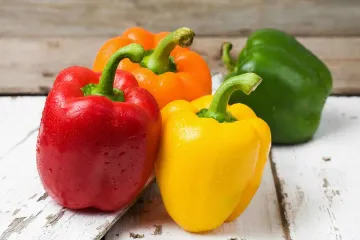
Bell peppers are botanically fruits, but they are used culinarily as vegetables, and their nutritional profile shifts dramatically as they mature. A green bell pepper is simply an unripe version of the yellow, orange, or red ones. This ripening process involves a significant increase in nutritional value, most notably in the production of carotenoids and the conversion of chlorophyll to other pigments.
Red bell peppers, being the fully ripened stage, generally boast the highest concentration of vitamins and antioxidants compared to their green counterparts. For instance, a cup of chopped red pepper contains significantly more Vitamin C than the same amount of green pepper. While green peppers are still a healthy choice, recognizing this nutritional gradient allows for informed selection based on dietary goals. Orange and yellow varieties fall somewhere in the middle of this spectrum.
# Vitamin C Champion

If there is one nutrient for which bell peppers are famous, it is Vitamin C (ascorbic acid). Bell peppers are perhaps one of the best vegetable sources available, often containing significantly more Vitamin C than citrus fruits, ounce for ounce. For example, one medium red bell pepper can supply well over three times the recommended daily intake of Vitamin C.
This massive dose of Vitamin C is critical for several processes. It is a potent antioxidant, helping to protect cells from damage caused by free radicals. Furthermore, Vitamin C is absolutely necessary for the synthesis of collagen. Collagen provides structural integrity to skin, tendons, ligaments, and blood vessels, making adequate intake vital for wound healing and maintaining skin elasticity. It also plays a supporting role in immune function, helping the body ward off illness. Because Vitamin C is water-soluble and sensitive to heat, eating peppers raw or lightly steamed is the best way to maximize your intake of this specific nutrient.
# Vision Support

The bright colors of ripe peppers—red, yellow, and orange—are clear indicators of the powerful carotenoids they contain, which are highly beneficial for eye health. These pigments include lutein and zeaxanthin, two compounds that accumulate in the macula of the eye.
These specific carotenoids act as natural filters, helping to absorb harmful high-energy blue light before it can damage the delicate structures within the eye. Consistent intake of foods rich in lutein and zeaxanthin is associated with a reduced risk of developing age-related macular degeneration (AMD) and cataracts later in life. Red peppers, in particular, contain high levels of beta-carotene, which the body converts into Vitamin A, another nutrient essential for good vision, especially in low-light conditions.
When considering how to maximize these fat-soluble carotenoids, a little bit of healthy fat in the meal can make a difference. While raw peppers offer the most Vitamin C, lightly sautéing or roasting peppers with a small amount of olive oil can actually improve your body's ability to absorb the carotenoids like lutein, zeaxanthin, and beta-carotene. This suggests that a balanced consumption pattern—some raw, some cooked—provides the widest spectrum of protection.
# Antioxidant Profile
Beyond the well-known Vitamin C, bell peppers are packed with various other beneficial plant compounds that contribute to their antioxidant and anti-inflammatory capabilities. The color intensity often correlates with the concentration of these protective agents.
Capsanthin, for example, is the compound responsible for the deep red color of ripe peppers, and it functions as a significant antioxidant. Other beneficial compounds found include quercetin and luteolin, which have been studied for their anti-inflammatory properties. By neutralizing free radicals, these compounds help manage oxidative stress throughout the body, which is linked to chronic diseases and aging. While bell peppers do not contain the high levels of capsaicin found in chili peppers that cause heat, they still contribute meaningfully to a diet rich in protective phytochemicals.
# General Wellness Nutrients
A balanced diet requires more than just vitamins C and A, and bell peppers readily supply several other micronutrients necessary for daily physiological maintenance.
# B Vitamins and Folate
Peppers are a decent source of B vitamins, which are essential for energy metabolism—the process by which your body converts food into usable energy. They provide Vitamin B6 and Folate (B9). Folate is particularly important for cell division and DNA synthesis, making it crucial for preventing certain birth defects if consumed during early pregnancy.
# Minerals
Potassium is one mineral commonly found in bell peppers. Potassium is an electrolyte that helps maintain fluid balance, supports proper nerve signaling, and assists in regulating blood pressure by counteracting the effects of sodium. Furthermore, they contain small amounts of Vitamin K, important for blood clotting and bone health.
If you are trying to increase your overall daily mineral intake through whole foods, understanding the approximate density helps. For context, a large red bell pepper might provide around 4-5% of the Recommended Daily Intake (RDI) for potassium, which, while not a huge percentage alone, adds up significantly when consumed regularly throughout the day in various meals.
# Digestive Health and Weight Management
Bell peppers are primarily composed of water and fiber, making them a low-calorie, high-volume food option. A cup of sliced raw peppers contains only about 30 to 40 calories. This combination of low calories and high fiber content aids in satiety, helping individuals feel full longer, which supports weight management efforts. The fiber also plays its expected role in maintaining regular bowel movements and supporting a healthy gut microbiome.

# Culinary Application and Absorption
The health benefits derived from bell peppers depend heavily on how they are incorporated into your routine. Since texture and nutrient profiles shift based on preparation, figuring out an optimal strategy can enhance results.
If your primary goal is to bolster your immune system quickly or maximize collagen support, prioritizing raw consumption—think salads, crudités, or fresh salsas—ensures you capture the full bounty of heat-sensitive Vitamin C.
Conversely, if eye health is the main target, roasting or lightly sautéing them in a small amount of heart-healthy oil allows the body to better process the fat-soluble carotenoids like lutein and zeaxanthin. For a pragmatic approach, aim to consume them both ways across the week. For instance, add sliced green peppers to a morning smoothie for immediate C, and then include some roasted red peppers as a side dish with dinner for enhanced carotenoid absorption. This dual approach ensures you get the advantages of both preparation styles without committing to just one nutrient source.
# Conclusion
Bell peppers, in all their chromatic glory, are far more than simple garnish. From their exceptional concentration of Vitamin C, which supports immunity and the production of connective tissue, to the eye-protecting carotenoids found predominantly in the red varieties, they offer broad support for overall wellness. Incorporating this versatile, low-calorie vegetable into your regular diet is a straightforward step toward better nutrition and sustained health.
Related Questions
#Citations
What Happens to Your Body When You Eat Bell Peppers Regularly
The Health Benefits of Red Bell Peppers
What Happens to Your Body When You Eat Bell Peppers - EatingWell
The Health Benefits of Bell Peppers | AANMC
The Amazing Nutritional Qualities of the Red Bell Pepper
Eating Peppers: Ingredients, Benefits, and Prep Tips - WebMD
Bell peppers: Benefits, risks, cooking, and more - Medical News Today
Top 5 health benefits of peppers - BBC Good Food
Are there nutritional benefits or drawbacks to eating peppers? Are ...