Are purple Brussels sprouts good for you?
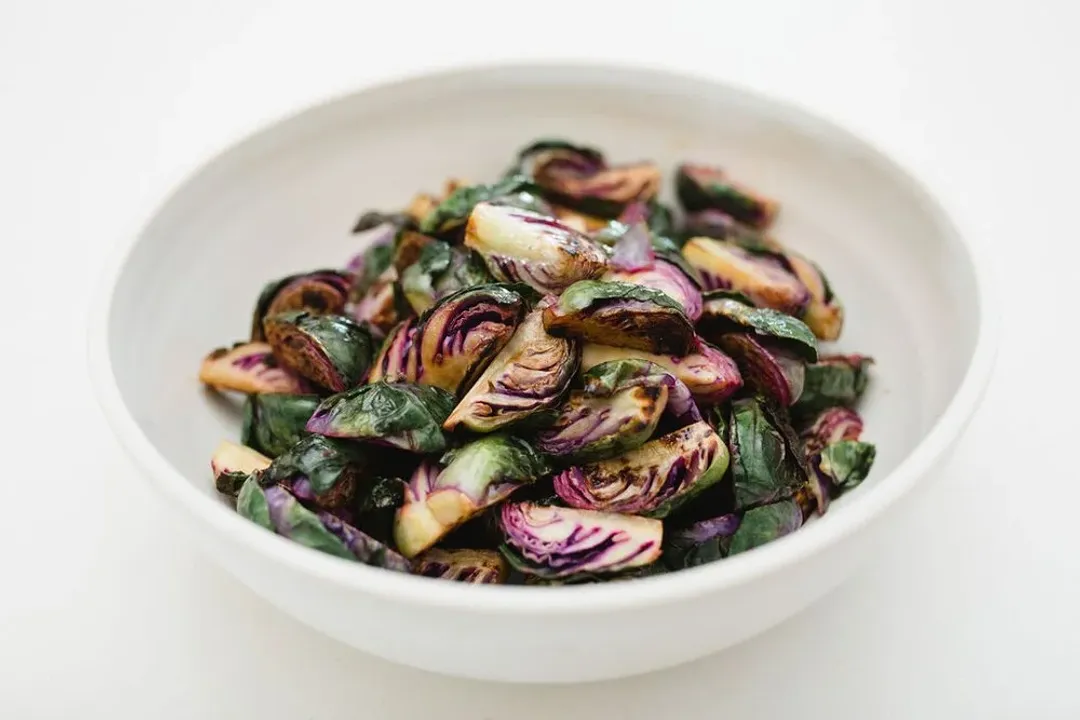
The vibrant appearance of purple Brussels sprouts sitting on a market stall or dinner plate immediately sparks curiosity, often leading to the key question: Are these colorful cousins of the standard green variety just a novelty, or do they bring any unique advantages to your plate? They certainly stand out; these miniature cabbages sport leaves colored with deep purple hues laced with green and sometimes tipped with crimson. The story of this color variation is rooted in agriculture, dating back to the early 1940s when they were reportedly developed by crossing traditional green sprouts with red cabbage.
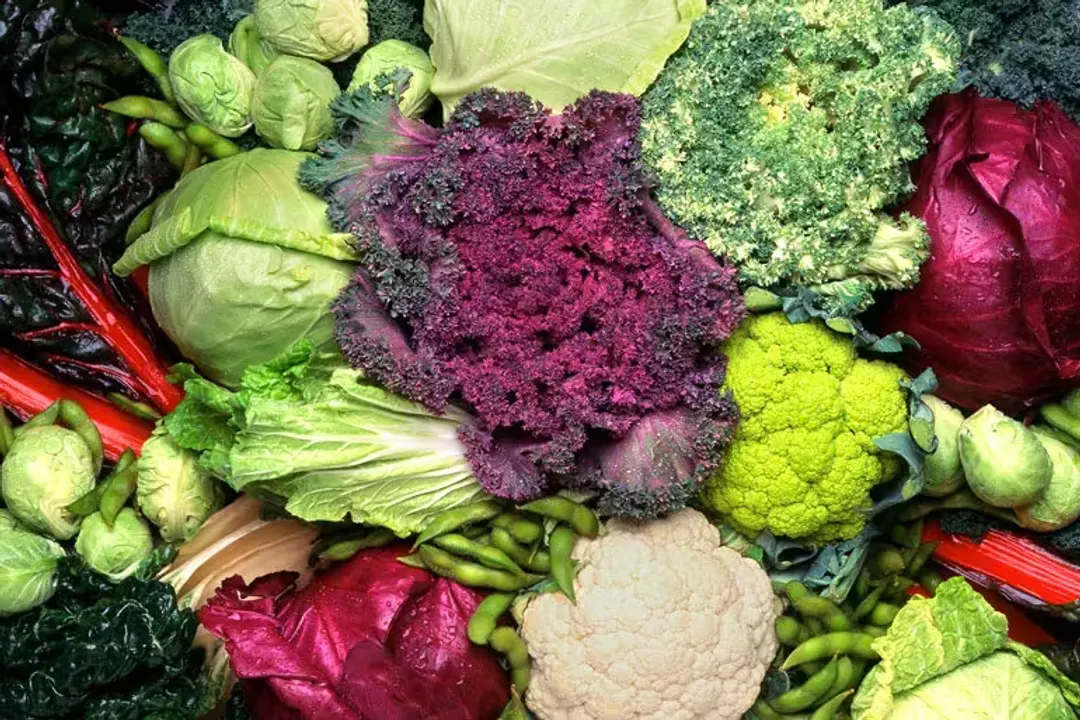
The immediate assumption for many is that this striking color difference signals a major nutritional departure, but the reality is more nuanced. Purple Brussels sprouts share a great deal of nutritional DNA with their green counterparts, falling squarely into the esteemed Brassicaceae family alongside broccoli, kale, and cauliflower. As a group, these cruciferous vegetables are known for being nutrient-dense and packed with health-promoting compounds. However, that purple pigment is the key to understanding the additional value they offer.
# Pigment Power
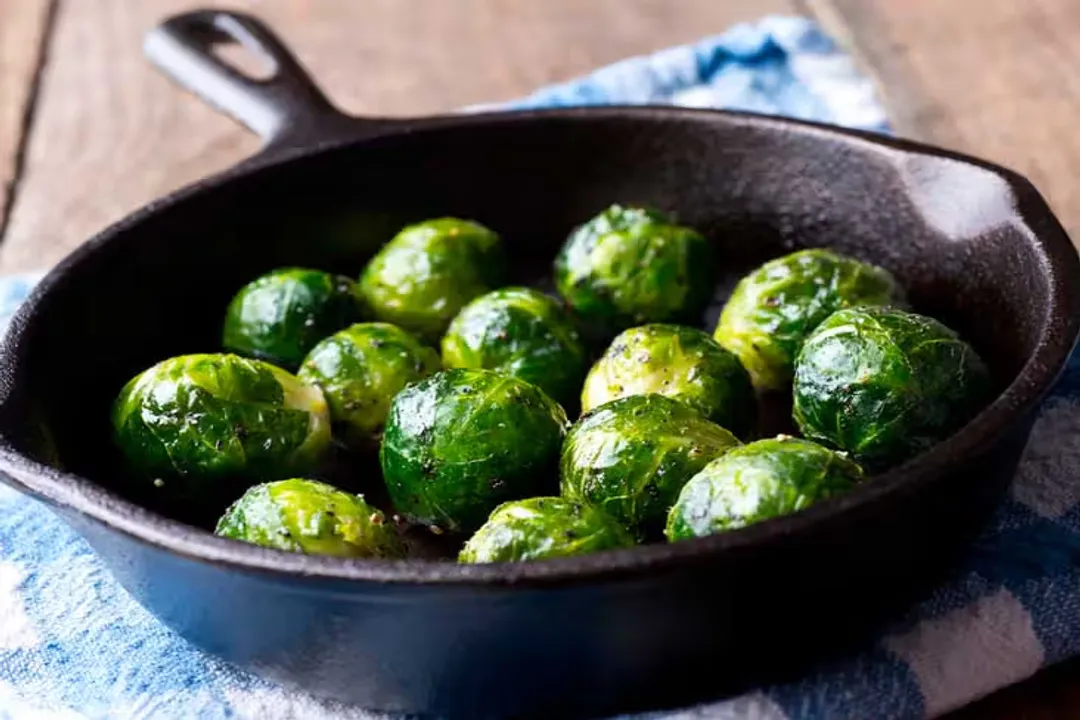
The most significant difference between the purple and green versions lies in the source of that arresting color. The darker pigmentation in a purple sprout translates directly into a higher concentration of anthocyanins. Anthocyanins are a type of potent antioxidant compound that gives many fruits and vegetables their red, blue, or purple coloring.
This means that while green sprouts are already excellent sources of essential nutrients, the purple variety gets a slight nutritional edge from these specific plant pigments. Think of it this way: if you adhere to the general advice that deeper color in produce often indicates higher nutrient density, the purple sprout is immediately signaling a rich interior profile. While both varieties generally rank among the top 20 most nutritious foods according to Aggregate Nutrient Density (ANDI) scores, that extra splash of anthocyanin provides tangible antioxidant support that the green ones lack to the same degree.
# Foundational Nutrition
To understand the full scope of how good purple Brussels sprouts are for you, we must look at the core nutritional facts they share with all Brussels sprouts. They are remarkably low in calories—about 28 calories for a half-cup serving of cooked sprouts—yet they deliver an impressive array of vitamins and minerals.
The vitamin lineup is particularly strong. Brussels sprouts are exceptional sources of Vitamin K, which is vital for proper blood clotting and plays a role in maintaining bone health. For many people, a half-cup serving delivers close to the entire recommended daily value of this fat-soluble vitamin. They also provide a substantial amount of Vitamin C, an antioxidant that aids in tissue repair, supports immune function, and—a critical benefit for plant-based eaters—enhances the body’s ability to absorb non-heme iron found in plant foods. You can easily meet a significant portion of your daily Vitamin C needs by incorporating just one or two servings of sprouts into your weekly meals. Beyond these two heavy hitters, sprouts contribute important amounts of folate, along with smaller doses of Vitamin B6, potassium, iron, thiamine, magnesium, and phosphorus.
Beyond the vitamins, the texture provides significant benefits. Brussels sprouts are high in fiber, delivering about 2 grams per half-cup cooked serving. This fiber content is crucial for digestive regularity, helping to soften stool and promote healthy gut function. Furthermore, a diet rich in this type of fiber is consistently associated with a reduced risk of developing heart disease and managing stable blood sugar levels, an important consideration for those managing or looking to prevent type 2 diabetes.
# Antioxidants and Disease Defense
The collective power of the nutrients in sprouts points toward significant defensive health benefits. They are loaded with antioxidants, which are compounds that work to neutralize damaging free radicals in the body. By keeping these free radicals in check, these vegetables help manage inflammation. Since chronic inflammation is linked to the development of major diseases like cancer, diabetes, and heart disease, consistently consuming anti-inflammatory foods like Brussels sprouts can be a proactive dietary step.
The anti-cancer properties are further supported by specific plant compounds found in the brassica family, notably glucosinolates. These compounds are known to assist the body’s natural detoxification processes, helping to eliminate potential carcinogens. Another specific antioxidant noted in Brussels sprouts is kaempferol, which has been studied for its cardioprotective properties, potentially supporting long-term heart health. Moreover, the sulfur compounds present in these vegetables support the production of glutathione, a powerful antioxidant essential for maintaining the integrity of the gut lining and promoting overall cellular defense.
# Culinary Experience and Preparation
The fact that purple Brussels sprouts are good for you is enhanced by the fact that they are also a pleasure to eat, provided they are prepared correctly. If you’ve been deterred by the bitterness often associated with the green variety, you might find the purple types more approachable. Generally, purple sprouts are described as being slightly sweeter and less pungent than their green counterparts, while still retaining a pleasant earthy foundation. They also carry a slightly nutty flavor profile.
If you are substituting purple for green sprouts in a recipe, you need to account for one structural difference: the purple heads are often not packed as tightly as the solid green ones. This looser structure means they tend to cook faster. When roasting, for instance, you might find they achieve that desired char and tenderness more quickly than a standard green sprout recipe indicates. This distinction in cooking time is an important practical consideration for home cooks aiming for the best texture, as overcooking can dull even the prettiest vegetable. For example, if a recipe calls for 30 minutes of roasting for green sprouts, you might check the purple ones closer to the 20-minute mark.
When cooking these colorful gems, be mindful of the final presentation. A splash of acidity, such as fresh lemon juice or balsamic vinegar, is often recommended right after cooking to brighten the flavor, but this acidic element also serves a practical purpose: it helps preserve the vibrant purple hue that might otherwise turn blue during the cooking process.
It is a genuine culinary advantage to have a vegetable that can serve multiple roles on the plate. You can shave them raw for a crunchy salad base, treating them like a vibrant substitute for lettuce, or roast them until charred for a deeply savory side dish. The versatility means they pair well with savory items like bacon or Parmesan cheese, but also benefit from sweet complements like maple syrup or red grapes. This allows you to easily transition them from a simple side dish to an exciting component in a sheet pan dinner or taco filling.
# Considering Context and Caution
While the evidence strongly supports purple Brussels sprouts as a highly nutritious food, like any powerful ingredient, context matters. For the general population eating a varied diet, they are an excellent addition. However, a few specific considerations apply, largely shared with all cruciferous vegetables.
First, due to their significant fiber load, individuals with sensitive digestive systems or conditions like Inflammatory Bowel Disease (IBD) may experience increased gas or bloating from large portions. Modulating portion size is key here rather than complete elimination.
Second, the high Vitamin K content warrants attention if you are prescribed blood-thinning medications such as warfarin. Vitamin K is essential for the clotting cascade, so maintaining a consistent intake is necessary when on these drugs. If you are on such medication, it is always prudent to discuss your intake of Vitamin K-rich foods with your healthcare provider or dietitian.
Finally, while it is often advised that those with hypothyroidism limit brassicas because they might interfere with iodine absorption, experts suggest that this is usually only a concern with extremely high, consistent intake, not moderate consumption. The best practice remains consulting your doctor if you have specific concerns about your thyroid function.
For the home cook looking to maximize both nutrition and visual appeal, understanding this subtle difference between green and purple sprouts can inform purchasing decisions. If you see a good batch of purple sprouts, know that you are getting all the fiber, Vitamin C, and bone-supporting Vitamin K of the standard variety, plus an added dose of protective anthocyanins just for choosing the colorful option. This is a vegetable that rewards attention to detail, both in the garden and on the plate.
Related Questions
#Citations
Purple Brussels Sprouts: A Complete Guide [2025] - Hitchcock Farms
Purple Brussels Sprouts - Everything You Need To Know
Pruple Brussels Sprouts: Helen Yuan, RD, Explains Health Benefits
8 Ways Brussels Sprouts Benefit Your Health - Healthline
Top 5 health benefits of Brussels sprouts - BBC Good Food
Cruciferous Vegetables: 5 Health Benefits