Do orange bell peppers raise blood sugar?
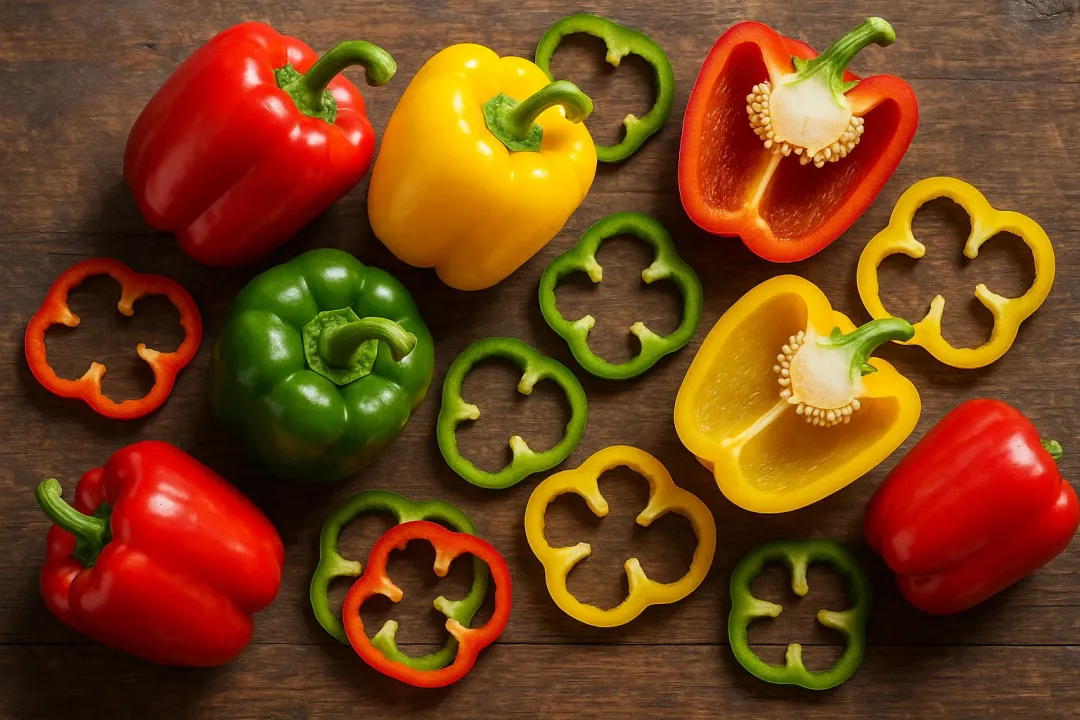
The question of whether orange bell peppers contribute to rising blood sugar levels can be answered with a reassuring tone: they are one of your best vegetable allies, even when closely monitoring glucose. These vibrant fruits, which are botanically classified as fruits but treated as vegetables in the kitchen, have an exceptionally low impact on blood glucose. [6] This favorable profile stems directly from their fundamental nutritional composition—they are predominantly water, naturally low in total carbohydrates, and contain a beneficial amount of dietary fiber. [6]
Bell peppers, including the orange variety, are part of the Capsicum annuum family and are prized for being low in calories while delivering significant nutritional value. [5] When looking at the numbers for a standard 100-gram serving of raw bell pepper, you see approximately 6 grams of carbohydrates, out of which about 2.1 grams are dietary fiber, leaving the net carbs low. [6] This high fiber content is key; it physically slows down the digestive process, which in turn modulates and slows the release of any present sugars into the bloodstream, preventing the rapid surges associated with high-glycemic foods. [3]
# Blood Sugar Impact

For individuals managing blood sugar, the Glycemic Index (GI) and Glycemic Load (GL) are critical metrics. Bell peppers score very well on both counts. The Glycemic Index measures how quickly a food raises blood glucose compared to pure glucose, and bell peppers boast an extremely low GI, sometimes cited as being around 15. [6] Furthermore, their Glycemic Load, which considers both the quality and the quantity of carbohydrates, is very low, often calculated as 1. [6] This low GL is why they are considered a safe choice for people with diabetes, who must closely manage these spikes. [1][3] The slow timeline for any potential blood sugar impact—minimal effect at 0–15 minutes, perhaps a slight stability check at 30–60 minutes, followed by continued stability at 2–3 hours—confirms their gentle presence in a meal.
When comparing the carbohydrate load of a bell pepper to a typical staple food, the contrast is stark. If 100 grams of bell pepper contains about 6 grams of carbs, eating a full, large orange pepper might amount to less than 10 grams of total carbohydrates. To put this into perspective, a single slice of standard white bread often contains 12 to 15 grams of carbohydrates. This comparison illustrates that you can consume a generous, volume-adding portion of orange pepper without putting the same strain on blood glucose control that a serving of refined grain might. [6]
# Nutrient Density
Beyond blood sugar mechanics, the health benefits linked to bell peppers support overall metabolic health, which is paramount for diabetes management. [3] Orange bell peppers, like their colored counterparts, are rich in essential vitamins and antioxidants. They are notably high in Vitamin C, an antioxidant that may play a role in helping to reduce blood sugar levels in those with Type 2 diabetes, although this has been studied more with supplements than the whole food itself. [5]
Bell peppers are also excellent sources of:
- Vitamin A (from beta-carotene), important for vision and immune function. [1]
- Vitamin B6 and Folate (Vitamin B9), which have various roles in the body, with folate being particularly important during pregnancy. [3]
- Potassium, a mineral that helps regulate blood pressure, a condition frequently co-occurring with diabetes. [1][3]
The vibrant color of the orange pepper comes from carotenoids like Violaxanthin, one of several powerful antioxidants present. These compounds work to defend cells against the oxidative stress and inflammation that can worsen diabetic complications. [3]

# Color Variation
It is important to note that while all colors of bell pepper share the same low-carbohydrate structure, their nutritional profiles differ based on ripeness. [6] Green peppers are simply unripe versions that have not yet developed their full sweetness or carotenoid content. [5]
The general hierarchy of nutrient concentration tends to follow the ripening process: Red > Orange/Yellow > Green. [6] For instance, red peppers typically contain significantly more Vitamin C and beta-carotene than green peppers. [5] Orange peppers fall in the middle, offering a great blend of taste and nutrients higher than green but potentially less than red. [6] When considering daily intake, aiming for a variety of colors ensures you capture the spectrum of available phytonutrients, such as lutein and zeaxanthin, which are specifically noted for supporting eye health and potentially guarding against macular degeneration. This suggests that a strategy of balancing sweet, ripe peppers (like orange or red) with easily accessible, often cheaper green ones offers a comprehensive nutritional return. [6]
# Diabetic Ally
The benefits of incorporating peppers into a diet geared toward blood sugar control are multifaceted. As mentioned, the fiber content aids satiety, which is vital for preventing the unplanned snacking that can derail glucose management efforts. [3] Furthermore, some compounds present in capsicum have been linked to anti-inflammatory benefits. [3] Since chronic inflammation is often tied to diabetes and can worsen insulin resistance, consuming foods that help quell this systemic response is beneficial for enhancing overall insulin sensitivity. [3]
The vegetable's ability to support weight management is also an indirect but important factor for many with diabetes. [3] Being very low in calories—only about 31 kcal per 100g—and mostly water (around 92%), bell peppers add significant volume and crunch to meals, helping you feel full without consuming excess energy or carbohydrates. [6]

# Preparation Effects
How you prepare your orange bell peppers can slightly alter their nutritional profile, offering different advantages depending on your immediate goals. Eating them raw preserves the maximum amount of heat-sensitive Vitamin C. [6] If your primary focus is immune support or maximizing that water-soluble vitamin boost, raw slices dipped in hummus or added to a fresh salad are ideal. [6]
Conversely, cooking peppers can actually increase the bioavailability of certain fat-soluble antioxidants. For example, cooking can boost the absorption of lycopene by three to four times. This is a trade-off worth considering: if you are preparing a warm stir-fry or roasting them for flavor, you are prioritizing the benefits of compounds like lycopene, which support heart health by reducing cholesterol oxidation. To get the best of both worlds, one effective approach is the 50/50 method: eat some raw for Vitamin C and some cooked for improved lycopene uptake. [6]
When cooking, keep pairings in mind to maintain blood sugar stability. The sources suggest pairing peppers with lean proteins (like grilled chicken or tofu) or healthy fats (like avocado or olive oil). [3] These additions further slow digestion and stabilize the meal's overall glycemic response, ensuring your orange pepper contribution remains blood-sugar-friendly. For instance, if you are making a large salad, instead of relying on a high-sugar dressing, using a dressing based on olive oil and lemon will enhance the absorption of fat-soluble vitamins like Vitamin A and E found in the pepper, while keeping the carbohydrate count minimal.
# Final Considerations
For most healthy individuals, there appears to be no official upper limit on bell pepper consumption, with suggestions ranging from one pepper daily to an "unlimited" quantity when used specifically for low-calorie volume in weight management. [6] However, a small caution applies regarding Vitamin K, which is present in bell peppers and plays a role in blood clotting; those on blood-thinning medications should always check with their healthcare provider before making significant dietary changes. [6] Overall, the data strongly supports that orange bell peppers do not raise blood sugar and are a nutritious, flavorful, and safe component for nearly any eating plan focused on metabolic health.
Related Questions
#Citations
Eating Peppers: Ingredients, Benefits, and Prep Tips - WebMD
Capsicum for Diabetes - Benefits, Nutrition & Blood Sugar Control
Bell Pepper: Calories, Nutrition and Health Benefits | NutriScan App
Per 100 Grams Raw — Diabetes Nutrition Facts | Blue Circle
Bell Peppers 101: Nutrition Facts and Health Benefits - Healthline
Millet Tri-Color Bell Peppers Bowl | Mastering Diabetes