What natural pigment causes the deep violet or nearly black skin coloration in a purple bell pepper?
Answer
Anthocyanins
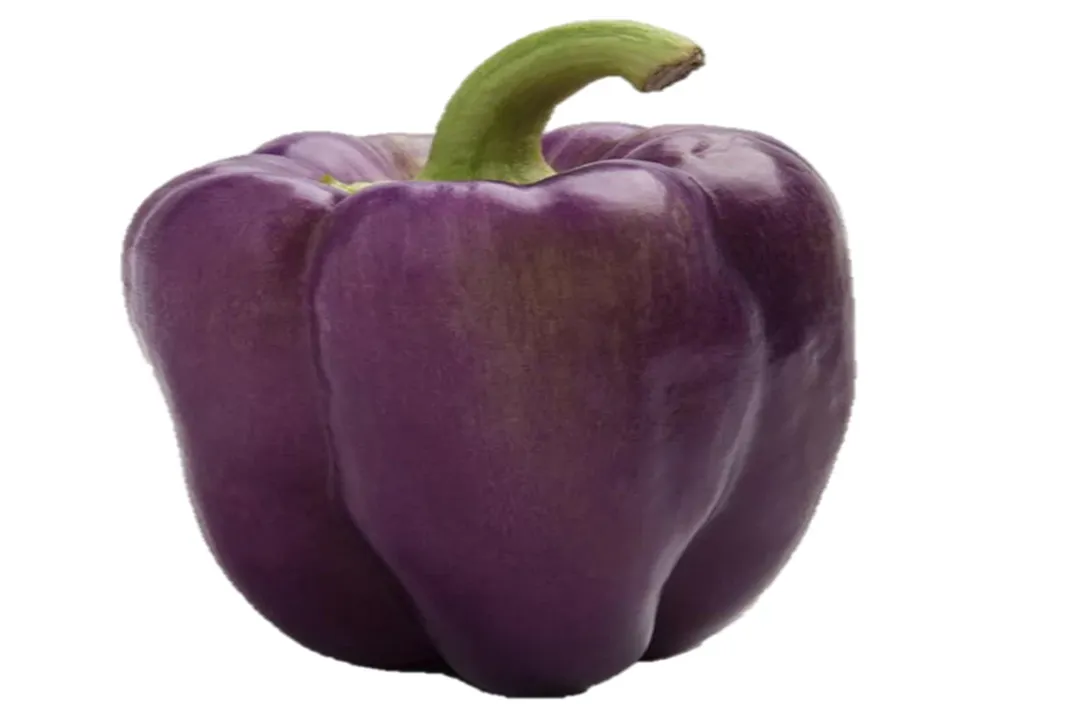
The distinctive deep violet or nearly black hue observed in purple bell peppers is directly attributed to the presence of anthocyanins. These compounds are classified as natural pigments and are structurally part of the flavonoid group. Anthocyanins are highly valued in the diet because they function as powerful antioxidants, offering protective qualities within the body by helping to neutralize harmful free radicals. The presence of this specific pigment distinguishes the purple variety from standard green, yellow, or red peppers, indicating that the pepper is in a particular, nutrient-rich intermediate stage of ripening before other pigments, like carotenoids, become dominant.
Related Questions
What natural pigment causes the deep violet or nearly black skin coloration in a purple bell pepper?What color do most purple bell peppers eventually transition to as they fully mature past the anthocyanin-rich purple stage?When consuming purple bell peppers, what crucial nutritional component is noted for providing a substantial percentage of the daily recommended intake?How is the flavor of purple bell peppers generally characterized in comparison to their green counterparts?Why is consuming purple bell peppers raw or lightly cooked recommended if the goal is maximizing anthocyanin intake?Besides being low in calories, what dietary component do purple bell peppers provide that is beneficial for digestive regularity?Which specific fruits share the presence of anthocyanins with the purple bell pepper?What is a recommended culinary strategy for maintaining visual diversity when incorporating purple peppers into cooked applications like fajitas?What visual characteristic should shoppers look for when selecting a fresh purple bell pepper at the market?Which essential B vitamin and mineral are specifically mentioned in the breakdown of nutrients provided by purple bell peppers?