What do red bell peppers do for your body?

The humble red bell pepper, often relegated to a simple garnish or salad filler, is actually a nutritional titan packed with compounds your body actively seeks out. Moving past the paler green varieties, the fully ripened red pepper signals peak sweetness and concentration of beneficial substances that affect everything from your immune response to the health of your eyes. [5]
# Vitamin C King

When considering dietary firepower, Vitamin C often tops the list, and red bell peppers deliver this essential nutrient in astonishing amounts. [1][3] A single medium-sized red bell pepper can contain significantly more Vitamin C than an orange, sometimes providing well over 200% of the recommended daily intake. [1][3] This isn't just a trivia point; this high concentration supports numerous bodily functions. Vitamin C is vital for boosting the immune system, acting as an important antioxidant, and, quite importantly for skin health, it is necessary for the creation of collagen. [1] Collagen provides structure to your skin, bones, and blood vessels. [1] For anyone looking to naturally support tissue repair and maintain skin elasticity without relying on supplements, making red peppers a staple is a straightforward nutritional choice. [1]
# Eye Protection

The vibrant color of the red pepper isn't just for show; it signals the presence of powerful carotenoids that directly benefit your vision. [1][3] Specifically, red peppers are good sources of lutein and zeaxanthin. [1][3][4] These two particular compounds are concentrated in the macula of the eye. [1] Think of them as internal sunglasses, helping to filter harmful blue light and reduce oxidative stress in the eye tissues. [1] Over time, maintaining adequate intake of these nutrients is associated with a reduced risk of developing age-related macular degeneration and cataracts. [3][4] While all colors of bell peppers contain these, the red variety tends to have higher overall carotenoid content due to its maturity. [5]
# Antioxidant Riches

Beyond the headline-grabbing Vitamin C, red peppers are loaded with a spectrum of other antioxidants that work to combat cellular damage caused by unstable molecules called free radicals. [1][5] One key element found in red peppers is capsanthin, which is the pigment responsible for their bright red hue, and it possesses significant antioxidant capability. [1][5] You also find other important flavonoids like quercetin and luteolin present in these vegetables. [5] The combined action of these phytochemicals provides systemic support, reducing overall inflammation within the body. [1][5] If you notice that your joints feel stiff after intense activity, increasing your intake of foods rich in these anti-inflammatory agents, like red peppers, can be a sensible step in managing day-to-day physical stress. [5]
# Ripeness Matters
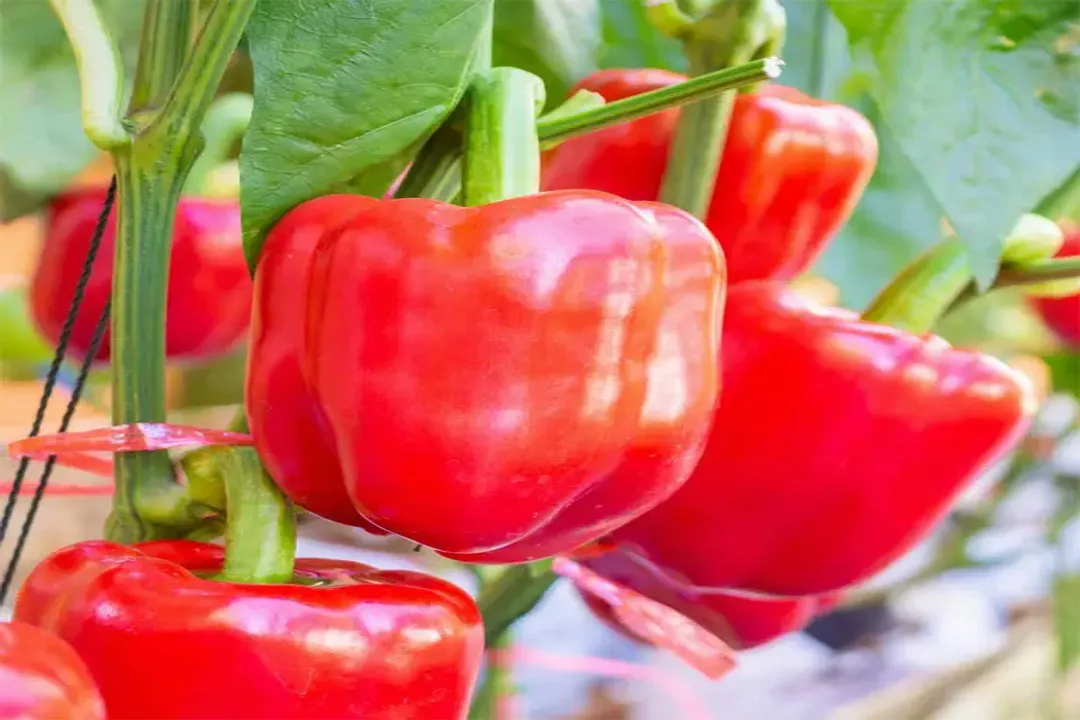
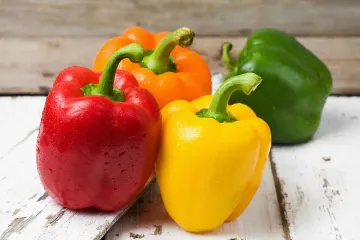
It is an interesting chemical transformation that occurs as a pepper ripens from green to yellow, orange, and finally, red. [5] This process is much more than just a cosmetic change; it’s a nutritional upgrade. [5] Green peppers are essentially unripe peppers, and while still healthy, they contain lower concentrations of key nutrients compared to their red counterparts. [5] For instance, the levels of Vitamin A (in the form of beta-carotene) increase dramatically as the pepper matures, making the red version a far superior source of this vision-supporting nutrient compared to the green one. [4][5] When you are shopping, if you have the choice, opting for the deepest red pepper on the shelf ensures you are getting the maximum available nutrient load. [5] A practical tip for home preparation is to observe how much more liquid and sweetness is released when roasting a fully red pepper versus a green one; this change in texture is indicative of the increased concentration of sugars and the breakdown of cell walls making certain nutrients more available immediately upon eating. [5]
# Calorie Count Fiber
From a weight management perspective, red bell peppers are an excellent addition to any diet because they are very low in calories while being relatively high in dietary fiber. [2][5] A whole medium pepper usually clocks in at fewer than 50 calories. [2] This combination of low energy density and fiber means you can eat a substantial volume to feel full without consuming many calories, which is helpful for satiety. [2][5] Furthermore, red peppers contribute other necessary micronutrients. They provide a good amount of Potassium, which is essential for maintaining healthy blood pressure by balancing the negative effects of sodium. [5] They also supply several B vitamins, including Thiamine, Riboflavin, and Vitamin B6, which are necessary for energy metabolism—helping your body convert food into usable energy. [5]
# Heart Health Support
The collection of vitamins, minerals, and antioxidants within red bell peppers converges to offer benefits for cardiovascular wellness. [5] The Vitamin C supports blood vessel integrity, while the potassium helps manage blood pressure. [5] Additionally, some research points to the role of carotenoids in protecting against heart disease. [1] When preparing these peppers, consider that some nutrients, like Vitamin A precursors, may become slightly more bioavailable when cooked lightly, though severe overheating can degrade the heat-sensitive Vitamin C. [3] A balanced approach—such as quick sautés or adding them raw to salads—offers the best chance to capture the full range of their benefits. [3] To maximize your intake across the week, try designating one day for raw consumption, such as slicing them thickly for dipping in hummus, and another day for lightly steaming them to mix into a stir-fry or scramble, ensuring you get both fresh and gently processed benefits. [3][5]

# Essential Trace Minerals
While the vitamins grab the spotlight, the trace minerals found in red peppers contribute silently to overall health maintenance. [5] They contain respectable amounts of Iron and Folate. [5] Folate is particularly important for cell division and DNA synthesis. [5] Although the iron content is not as high as in meat sources, consuming plant-based iron alongside the abundant Vitamin C in the pepper itself aids in its absorption, a synergy worth noting when building plant-forward meals. [5] This simultaneous delivery of a nutrient (Vitamin C) that enhances the uptake of another mineral (Iron) shows how whole foods work together efficiently within the body. [5]
Related Questions
#Citations
The Health Benefits of Red Bell Peppers
Bell Peppers 101: Nutrition Facts and Health Benefits - Healthline
Red Pepper: Health Benefits, Nutrition, and Uses - WebMD
Bell peppers: Benefits, risks, cooking, and more - Medical News Today
The Health Benefits of Bell Peppers | AANMC
The Amazing Nutritional Qualities of the Red Bell Pepper
Healthiest bell pepper is the red one - Facebook
Health Benefits of Red Peppers | Muzzarelli Farms, Vineland NJ
Are there nutritional benefits or drawbacks to eating peppers? Are ...
What Happens to Your Body When You Eat Bell Peppers - EatingWell