What conversion occurs in chikoo as it ripens, making it softer and sweeter?
Answer
Starches convert into simple sugars
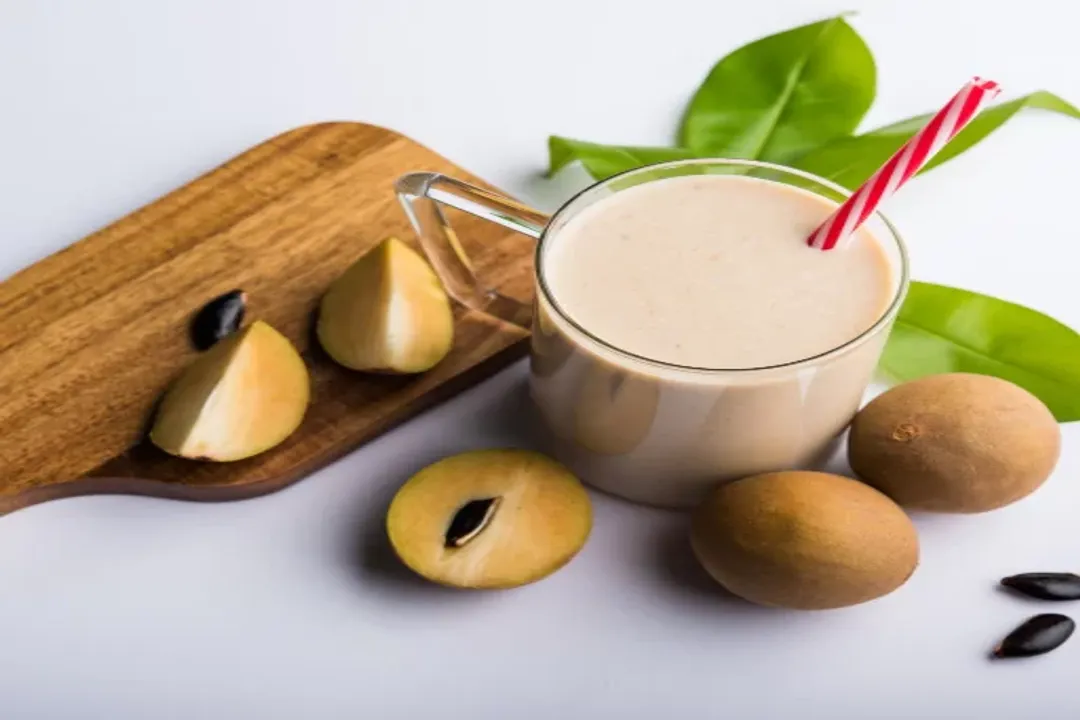
The physical and chemical transformation of chikoo during ripening significantly impacts its digestibility and taste profile. As the fruit matures from being slightly firm to perfectly ripe—soft to the touch and fragrant—the complex starches stored within the fruit break down and convert into simple sugars. This conversion process is responsible for the fruit becoming noticeably sweeter and achieving a softer texture, which subsequently makes its inherent sugars more readily available for rapid energy absorption by the body.
Related Questions
Approximately how many calories does a medium-sized chikoo weighing 100 grams contain?What is the reported dietary fiber content per 100g serving of chikoo?Which compounds found in chikoo are noted to help in reducing inflammation within the digestive tract?For what specific bodily function is potassium mentioned as being necessary in chikoo?If a standard fruit serving allowance is around 15 grams of sugar, how many average chikoos might approach this limit?What conversion occurs in chikoo as it ripens, making it softer and sweeter?For individuals monitoring blood glucose, what practical adjustment helps buffer the potential fast rise from chikoo consumption?Due to its high content of which two components is chikoo cited as an excellent source of immediate energy?What is a sensible guideline for daily intake of chikoo for individuals tracking their weight?Which specific role does Vitamin A, present in chikoo, support regarding eye health?