Why can't you eat beets every day?
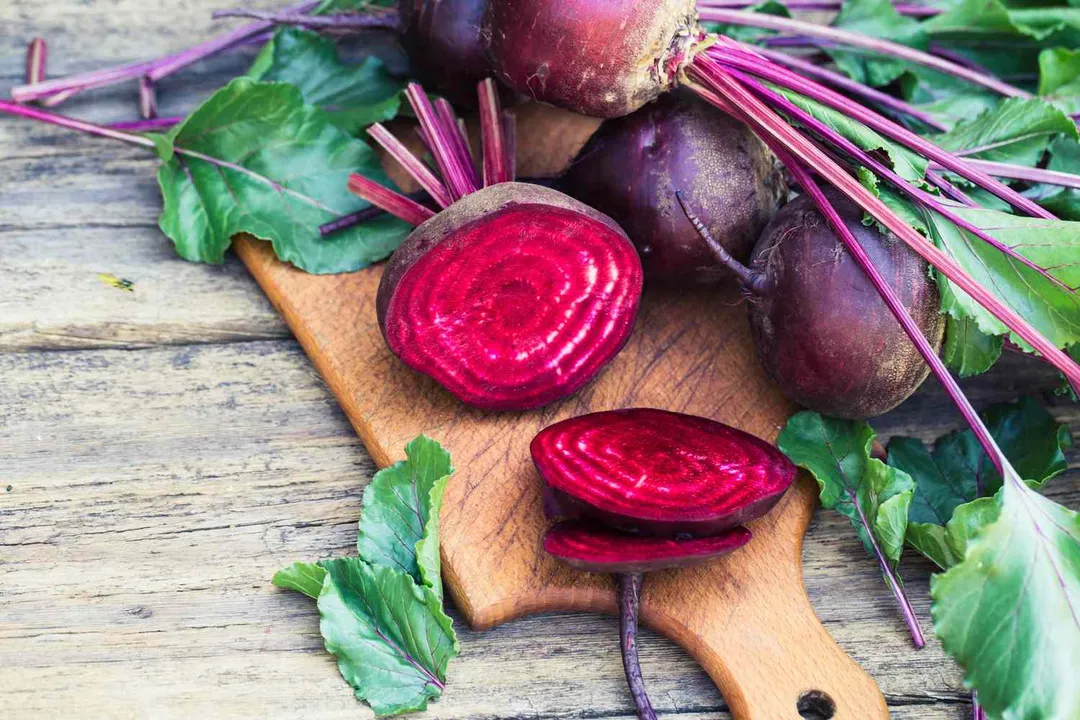
Beets, with their deep, unmistakable color and earthy sweetness, have firmly planted themselves in the modern health lexicon, often touted as a superfood deserving a spot on your plate daily. People are drawn to them for good reason; they pack a nutritional punch that can genuinely benefit cardiovascular function and overall wellness. [1][6][4] However, the enthusiasm surrounding daily consumption of this root vegetable—or its concentrated juice form—requires a thoughtful pause. While incredibly beneficial in moderation, making beets a non-negotiable, every-single-day staple might introduce certain physiological trade-offs that general health advice often overlooks. [4][5]
# Nitrate Boost
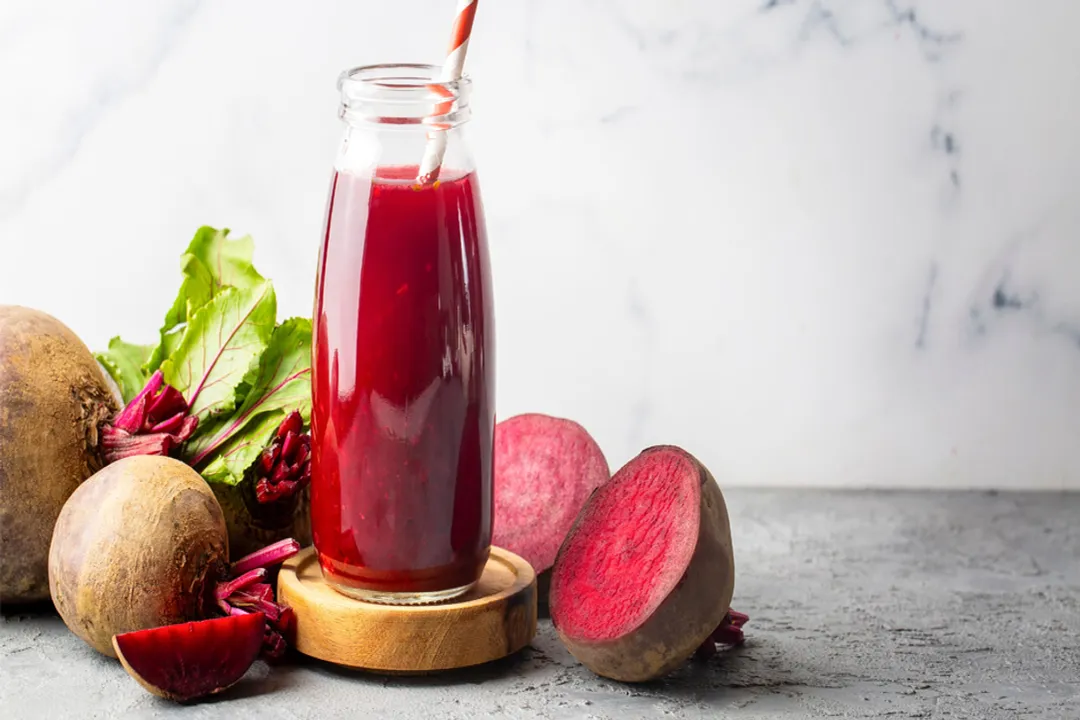
One of the most celebrated attributes of beets is their high concentration of dietary nitrates. [1][6] These naturally occurring compounds are what make beets particularly interesting for anyone focused on fitness or heart health. Once consumed, the body converts these nitrates into nitric oxide, a molecule that signals the smooth muscles around blood vessels to relax and widen, a process known as vasodilation. [6][1]
This widening of the blood vessels directly translates to improved blood flow and, critically, lowered blood pressure. [6][4] Studies have shown that consuming beet juice can lead to a significant reduction in both systolic and diastolic blood pressure readings within hours of ingestion. [1] For athletes, this mechanism can also improve exercise efficiency, potentially allowing for longer workouts or better performance by reducing the oxygen cost of low-intensity exercise. [6][1]
It is worth noting that the preparation method impacts this key component. While cooking beets does reduce some nutritional value, the nitrates themselves are relatively stable, though processing can cause variation. [5] If you are specifically aiming for the nitric oxide benefits, consuming them closer to their raw state, or using fresh juice, might deliver the most potent effect, though even roasted beets retain substantial benefits. [1]
# Nutrient Density

Beyond the circulatory system perks, beets offer a substantial spectrum of vitamins, minerals, and plant compounds that contribute to general vitality. [2][3] They are a good source of several essential nutrients, including folate (vitamin B9), manganese, potassium, iron, and vitamin C. [2][3]
Folate, for instance, is necessary for DNA synthesis and repair and plays a role in cell function. [2] Manganese is vital for bone formation, metabolism, and antioxidant defense. [2] The deep red hue itself is not just for show; it comes from potent antioxidants called betalains. [6][2] Betalains are responsible for scavenging harmful free radicals in the body and exhibit anti-inflammatory properties. [6][2] This dual action—combating oxidative stress while dialing down inflammation—is a significant reason why integrating them into a balanced diet is beneficial. [2] Furthermore, beets contribute notable amounts of dietary fiber, which supports healthy digestion and gut health. [2]

# Oxalate Risk
While the benefits are clear, the most significant physiological reason to exercise caution with daily high-volume consumption centers around a naturally occurring compound: oxalates. [5][6][4] Beets, especially the greens, are surprisingly high in these naturally occurring substances. [5]
Oxalates bind to minerals like calcium in the digestive tract. For most healthy individuals, these compounds are simply processed and excreted. [5] However, for people with a history of kidney stones, or those prone to forming them, high daily intake of oxalate-rich foods can become a serious concern. [6][4] Calcium oxalate crystals are the most common type of kidney stone. [6] Consuming excessive amounts of beets every day increases the oxalate load in the urine, raising the probability that these crystals will form and aggregate in the kidneys. [6]
If we look at the concentration, while a single serving is generally fine, imagine a person drinking a large glass of beet juice and eating a significant portion of roasted beets every day; this cumulative intake could push them past their personal tolerance threshold, even if they haven't had stones before. [5][6] For those managing kidney health, this daily intake pattern moves beets from being a helpful vegetable to a potential dietary liability.
# Identifying Predisposition
Understanding who needs to be most cautious is key to applying this information practically. A general rule of thumb is that if you have had calcium oxalate stones before, you should monitor oxalate intake closely. [6] However, risk isn't limited to past stone formers. Individuals who are chronically dehydrated or those with certain genetic predispositions may struggle to excrete high levels of oxalate efficiently. [6]
To help readers gauge their personal risk profile regarding oxalate-rich foods like beets, here is a simple consideration checklist:
| Condition/Factor | Implication for Daily Beets | Actionable Insight |
|---|---|---|
| History of Calcium Oxalate Stones | High Risk | Consult a nephrologist or dietitian regarding safe limits. [6] |
| Low Daily Fluid Intake | Increased Concentration Risk | Dehydration concentrates urinary solutes, raising stone risk irrespective of diet. [6] |
| High Calcium Intake Without Food | Potential Risk | Calcium binds oxalate in the gut, but taking supplements far from meals can miss this benefit. |
| Regular High Beet/Spinach Intake | Moderate Risk | Daily consumption of two high-oxalate sources might require reduction. |
This highlights an important distinction: simply eating a beet once is unlikely to cause a problem, but the habit of daily high consumption is where the risk calculus changes, especially if hydration is poor. [6]
# Bowel Color
One of the immediate and often startling side effects of eating beets is the temporary discoloration of urine or stool, a condition known as beeturia. [4] This happens because the betalain pigments are not fully broken down during digestion. [4] For many, seeing red or pink in the toilet bowl can induce a moment of panic, leading to unnecessary concern about internal bleeding. [4][5]
While beeturia is medically harmless—it's just evidence that the pigments passed through—it can be confusing. [4][5] This effect is highly variable among individuals, dependent on gut bacteria and how quickly they process the pigments. [4] If you commit to daily consumption, you must be prepared for this cosmetic side effect, or risk repeatedly alarming yourself or others until you connect the dots back to the beet intake. [4]

# Digestive Load
Beyond the chemical concerns, there is a mechanical aspect to daily consumption related to the digestive tract: fiber and sugar. [5] Beets are a good source of fiber, which is generally positive for regularity and gut health. [2] However, suddenly increasing fiber intake substantially or consuming a large volume of any high-fiber food every single day, especially if the digestive system isn't accustomed to it, can lead to digestive distress. [5] Symptoms might include bloating, gas, or cramping. [5]
Furthermore, while beets are a root vegetable and therefore contain natural sugars, they are not as high on the glycemic index scale as some other starches. [5] Nevertheless, the sugar content, combined with the high fiber load, means that people monitoring carbohydrate intake for conditions like diabetes still need to account for beets in their daily totals. [5] Eating them daily means consistently accounting for these macronutrients rather than treating them as an occasional treat.
# Practical Limits
Given the body of evidence—the fantastic benefits anchored by nitrates and the potential drawbacks tied to oxalates and digestive adjustment—the real question isn't if you can eat beets, but how often is optimal for you. [4][5] For the vast majority of people with healthy kidneys, eating beets a few times a week, perhaps alternating with other nitrate-rich vegetables like arugula or radishes, provides substantial health gains without overloading the oxalate system. [6]
If daily intake is desired, reducing the portion size dramatically is a worthwhile strategy. Consider swapping a large glass of juice for a smaller serving of finely chopped, raw beets mixed into a salad once per day, rather than consuming a dense serving of cooked beets plus juice. [4] This subtle shift in how you consume them—focusing on lower concentrations or varied preparation—can maintain the benefits while managing the risks. [1][6] It is essential to listen to your body; any new or worsening digestive symptoms should prompt an immediate reduction in intake until the cause is identified. [5]
The complexity of balancing the powerful effects of betalains and nitrates against the presence of oxalates suggests that "every day" might be too rigid a goal for sustained, optimal health, even if the body tolerates it initially. [4][5] A balanced rotation ensures you capture the best of what beets offer without leaning too heavily on any single mechanism for too long.
Related Questions
#Citations
What Happens to Your Body When You Eat Beets Regularly
9 Impressive Health Benefits of Beets
Beet - Uses, Side Effects, and More
What Happens to Your Body if You Eat Beets Every Day?
Eat Your Beets: Why They Belong in Your Diet
Are Beets and Beet Juice Bad for Your Kidneys?
What Happens to Your Body When You Eat Beets Regularly
The Beet Juice Craze: Beat it or Join it?