How many chikoo should I eat in a day?
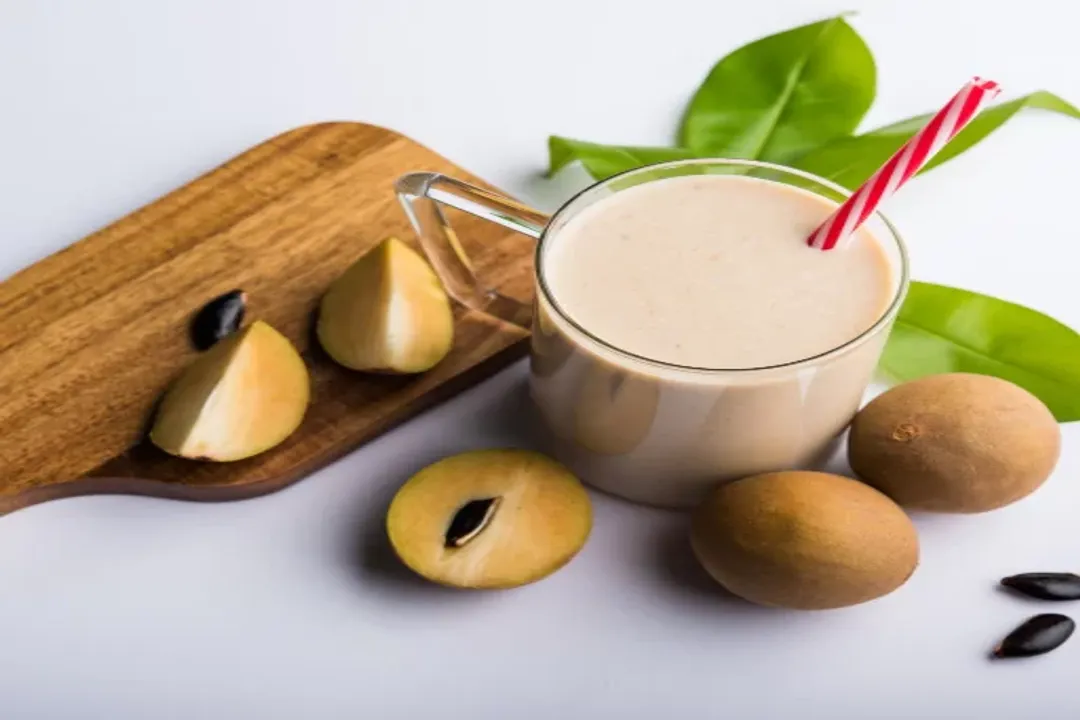
The decision regarding the ideal daily intake of chikoo, also widely known as sapota, often leads to a search for a single, definitive number. This sweet, earthy fruit offers a pleasant burst of energy and a host of micronutrients, making it a favorite during its season. [1][8] However, like any food, the correct amount depends heavily on an individual’s overall diet, activity level, and specific health goals, rather than a universal prescription. [4] Understanding what this fruit delivers nutritionally is the first step in establishing a sensible personal guideline.
# Nutrient Density
Chikoo is quite rich in natural sugars and carbohydrates, which are the body’s primary fuel sources. [6][7] On a per-fruit basis, a medium-sized chikoo can weigh around 100 grams and contain approximately 83 calories. [7] It provides a respectable amount of dietary fiber, which is essential for maintaining digestive regularity. [2][3] This fiber content, sometimes reported as about 5.3 grams per 100g serving, is what contributes to that feeling of fullness. [7]
When looking at vitamins, chikoo stands out for its Vitamin C content, which supports immune function. [2][6] It also supplies Vitamin A, important for vision. [2][6] Minerals present include potassium, which is necessary for blood pressure regulation, and copper and iron, which are vital for blood production. [3][6] Although its mineral profile is beneficial, it's important to recognize the sugar concentration when determining portion size. [7] For instance, if we consider a standard serving of fruit to be around 15 grams of sugar for general dietary balance, two to three average chikoos might already approach that limit, depending on individual caloric needs. [7] This suggests that consuming an entire pile in one sitting, while tempting, could lead to an unnecessary spike in simple carbohydrates. [4]
# Body Support
The benefits associated with regular, moderated consumption span several areas of well-being. Because of its high carbohydrate and natural sugar content, chikoo is often cited as an excellent source of immediate energy. [1][2] Athletes or those engaging in sustained physical activity might find it a convenient way to replenish glycogen stores. [1]
Digestive health is another key area where this fruit shows promise. The presence of both soluble and insoluble fiber aids in promoting regular bowel movements and preventing constipation. [2][3] Furthermore, the fruit contains tannins, which are compounds that can help in reducing inflammation within the digestive tract. [5] Some traditional sources also note its potential use in soothing irritated stomach linings. [8]
Beyond the immediate energy boost, the antioxidants in chikoo contribute to long-term health maintenance. Vitamin A supports eye health, helping to protect against age-related macular degeneration. [2][6] The Vitamin C acts as an antioxidant, helping the body fight off free radicals. [2][6] Furthermore, the presence of various B-complex vitamins, such as folate and niacin, supports overall metabolic function. [3][6] The fruit is also sometimes associated with promoting healthy skin and hair due to its vitamin and mineral composition. [1][9]

# Portion Sizing
Given the nutritional breakdown, the question shifts from "Can I eat it?" to "How much fits into my daily plan?" Since chikoo is energy-dense relative to some other fruits, mindful portioning is key, especially for those tracking their weight or sugar intake. [4] While there isn't a strict recommended daily allowance provided by health authorities specifically for this fruit, a reasonable approach involves assessing the sugar load. [7]
If you are eating two medium chikoos (approximately 166 calories and 28 grams of sugar combined based on general estimates [7]), you have accounted for a significant portion of your daily fruit sugar allowance. If your goal is weight management, keeping the intake to one or perhaps two small to medium fruits per day is a sensible guideline, ensuring you leave room for other necessary nutrient sources like vegetables and lean proteins. [4] Think of it this way: if you are very active, two might be easily managed; if you are sedentary or managing blood sugar levels, one small one might be the wiser choice. [4]
# Specific Needs
Individuals managing specific health conditions must approach chikoo consumption with extra caution. For those monitoring blood glucose levels, the high sugar content means that chikoo must be treated similarly to other high-glycemic fruits. [4] Consuming it alone, rather than as part of a balanced snack containing fat or protein, might cause a faster rise in blood sugar, so pairing it with something like a handful of nuts can help buffer this effect. This modification is an important practical adjustment often overlooked when relying solely on general fruit benefit lists. [4]
People attempting to lose weight also need to pay attention to the caloric density. [4] While the fiber helps promote satiety, overconsumption can easily lead to a calorie surplus. A good practical check is to evaluate your energy expenditure for the day; on high-activity days, you might comfortably fit two, whereas on rest days, limiting it to one smaller piece helps maintain control over your energy balance. [4]
# Ripeness and Absorption
The state of the fruit itself influences how your body processes it, an element often neglected when focusing only on raw nutritional data. Chikoo changes significantly as it ripens. Unripe sapota can be astringent and quite hard, and while this indicates a higher concentration of certain compounds like tannins, it can also be difficult to digest for some. [5][8] As it ripens, the starches convert into simple sugars, making it softer, sweeter, and easier to digest. [5]
When the fruit reaches its peak ripeness—soft to the touch and fragrant—its natural sugars are most readily available for quick energy absorption. [5] This means that the same physical fruit might behave slightly differently in your system depending on whether you eat it just slightly firm or perfectly ripe, subtly impacting how quickly its glucose enters the bloodstream. [5] Therefore, timing your consumption based on your immediate energy needs—perhaps right before a workout when fully ripe—can be more strategic than simply counting the pieces. [1]
Related Questions
#Citations
Chikoo Benefits for Skin, Hair & Overall Health - Aditya Birla Capital
Sapota (Chikoo) Health Benefits - Apollo 247
Chiku (Sapodilla): Health Benefits, Nutrition & Best Time To Eat
Chikoo and Weight Loss: What You Need to Know - Elevate Now
Do You Know These 10 Amazing Benefits Of Eating Chikoo
Chiku Fruit: Benefits, Nutritional Value, and More! - Redcliffe Labs
Chikoo Nutrition - SnapCalorie
Manilkara Zapota (Chikoo) – Ayurvedic Benefits & Uses
7 Amazing Chikoo Fruit Benefits - InstaCare