Is it okay to eat peach every day?

Whether consuming a peach every day is acceptable comes down to a few factors: your personal health status, how you prepare the fruit, and the overall balance of your diet. For the majority of healthy individuals, incorporating a peach daily is not only fine but can be quite beneficial, given their rich nutritional profile. They are sweet, widely available, and pack a punch of vitamins, minerals, and beneficial plant compounds.
# Daily Verdict
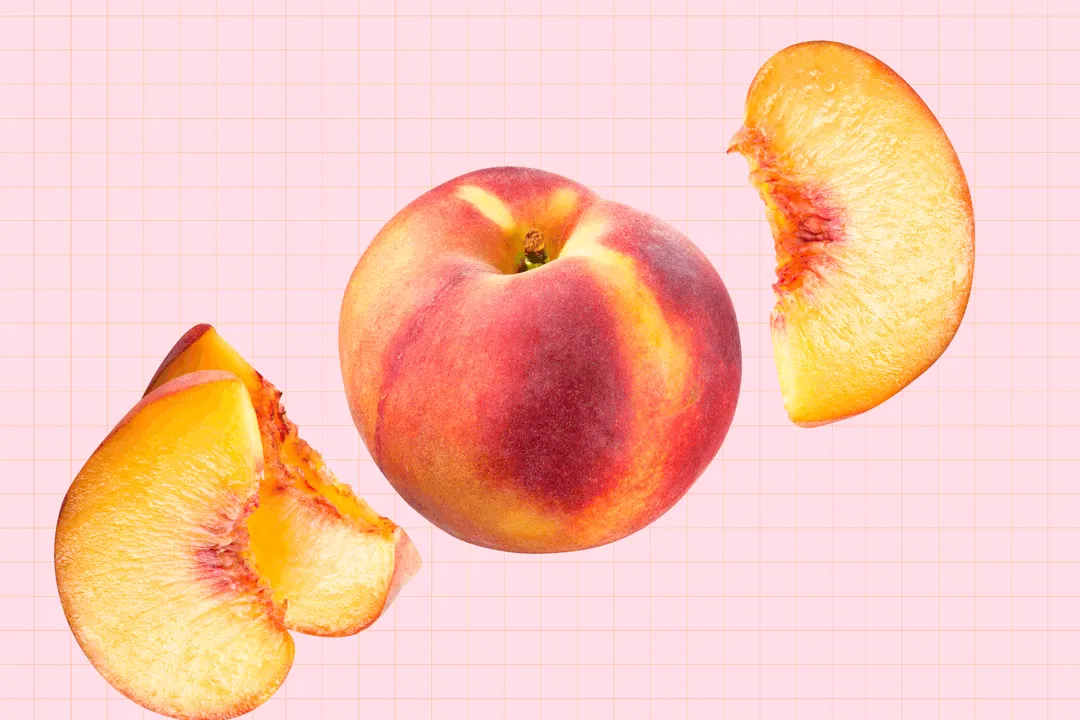
For most people, eating peaches daily is perfectly safe. A reasonable daily intake suggested by one dietitian is about one to two medium peaches, which delivers between 2 to 4 grams of fiber depending on the size. As part of a heart-healthy lifestyle, regular consumption can support blood pressure and cholesterol levels. However, if you manage a condition like Irritable Bowel Syndrome (IBS), you might need to limit them due to their FODMAP content, or if you are on specific medications, monitoring intake is essential.
# Nutrient Profile
Peaches are a low-calorie addition to any eating plan, typically containing fewer than 70 calories for a medium fruit. They are mostly water, with over 85% of their mass being hydration. Their macronutrient breakdown is favorable for snacking, offering around 15 grams of carbohydrates per medium piece, with a significant portion of that being natural sugar (around 12-13 grams). Crucially, they contain roughly 2 to 2.4 grams of dietary fiber.
Beyond the basics, peaches offer a variety of micronutrients and protective compounds. They supply Vitamin C, Vitamin A, and Niacin, along with Copper. They are also a source of Vitamin E, Magnesium, Phosphorus, Iron, and various B vitamins. Furthermore, peaches contain fluoride, a mineral known to help reduce the germs in the mouth that contribute to cavities. Potassium is present, which is key for balancing the body’s sodium levels.

# Gut Function Support
One of the more immediate benefits a peach enthusiast might notice is improved digestion. Peaches deliver both soluble and insoluble fiber. Insoluble fiber works by adding bulk to stool, helping waste move along the digestive tract more easily and potentially preventing constipation. Soluble fiber serves a different role, acting as food for the beneficial bacteria residing in the intestines. These bacteria then produce short-chain fatty acids, such as butyrate, which feed the gut cells and are linked to reduced inflammation, potentially easing symptoms of digestive issues like Crohn's disease or IBS in some individuals.
It is interesting to note that traditional Chinese medicine has utilized peach flowers to treat digestive disorders, with recent research suggesting active ingredients in the flowers may play a role in constipation treatment.
# Cardiovascular Impact
Regular consumption of fruits like peaches can contribute positively to heart health. Peaches contain compounds that may assist in lowering risk factors for heart disease, specifically high blood pressure and elevated cholesterol. The potassium content is beneficial because it helps offset the effects of sodium in the body and can contribute to the relaxation of blood vessels. In test-tube studies, peaches demonstrated an ability to bind to bile acids—substances made from cholesterol by the liver—leading to their excretion, which may help reduce overall blood cholesterol. While this research is promising, it is important to remember that confirming these precise effects in human trials is still an ongoing process.
# Cellular Defense
Peaches are rich in antioxidants, which are vital plant compounds that combat oxidative damage, helping protect the body against aging and disease processes. Both the flesh and the skin contain significant amounts of carotenoids and caffeic acid, which have been shown in test-tube experiments to possess anticancer properties. Peaches also contain polyphenols, another antioxidant category shown to limit the spread and reduce the growth of cancer cells in in vitro studies. One notable finding from a long-term study indicated that postmenopausal women who ate at least two peaches or nectarines daily over 24 years had a 41% lower risk of developing breast cancer.
For those concerned about chronic inflammation, peaches offer phytonutrients like anthocyanins, lutein, and beta carotene, which help shield cells from oxidative stress.
# Skin Glow Boost
Daily peach consumption may also offer advantages for your skin. The presence of beta carotene, which the body converts into Vitamin A, is essential for skin protection. Additionally, Vitamin C is necessary for the synthesis of collagen, which is foundational for skin elasticity and resisting sagging. Test-tube research suggests compounds in peaches can improve the skin’s inherent ability to retain moisture, leading to better texture. Extracts made from peach flesh or flowers, when applied topically in certain studies, have even shown potential in preventing damage caused by UV light.
Vision health is also supported, as peaches contain lutein and zeaxanthin, carotenoids that concentrate in the retina and lens, helping to guard against age-related macular degeneration and cataracts. The Vitamin A derived from beta carotene is also critical for healthy vision, helping to prevent conditions like night blindness.
# Sugar Considerations
While peaches are nutritious, their natural sugar content requires consideration if you are eating them every day, especially if you are managing specific metabolic conditions. Sugar is sugar at a molecular level, meaning the total quantity consumed within a specific time frame still matters for metabolic impact, regardless of its source. If you are concerned about blood sugar, an expert advises choosing fresh or frozen peaches over those packed in syrup and pairing them with sources of protein or fat, like nuts or yogurt, to buffer the effect.
One area of particular caution is gout. Peaches contain a measurable amount of purines; consuming them in excess daily could potentially increase uric acid levels and trigger a flare-up in susceptible individuals. Furthermore, peaches contain natural sugars known as polyols. If you consume a very high volume, these undigested sugars can remain in the gut, potentially leading to bloating, cramps, and nausea. For individuals with IBS, the white and yellow varieties are often cited as being high in FODMAPs, which can exacerbate symptoms.
To manage this, consider that one medium peach has about 15 grams of carbohydrates compared to a medium apple’s 25 grams, making the peach a relatively moderate choice for a fruit. To better gauge your intake, if you aim for the recommended 10 grams of fiber for every 1000 calories consumed, a daily peach (providing about 2 grams of fiber) moves you toward that goal without significantly disrupting your overall carbohydrate budget, provided you aren't diabetic.
# Potential Concerns
Beyond sugar and IBS triggers, there are specific reasons to moderate or avoid daily peach intake. The most definitive contraindication is having a known peach allergy or a general stone fruit allergy. These allergies can manifest as swelling or itching in the mouth or throat, and in rare cases, severe reactions like anaphylaxis.
Another point to consider is potassium. While peaches only contain about 4% of the Daily Value for potassium per fruit, individuals taking medications that cause the body to retain potassium, such as the diuretic spironolactone, should consult their healthcare provider before making them a daily staple.
As an analytical point regarding daily intake, while a single peach is moderate in potassium, if someone were to consume an extreme amount—say, the ten peaches a day mentioned in one query—the cumulative potassium load, combined with other dietary sources, could approach levels requiring monitoring for those on restrictive diets, though that level of consumption is unlikely for most people [cite: 7, referring to the premise of the search result]. Think of it this way: if a banana offers about three times the potassium of a peach, eating ten peaches is less concerning than eating ten bananas if your goal is to keep potassium intake low due to medical necessity [cite: 5, referring to 6% DV/moderate K vs. general high K fruits].
# Preparation Matters
The way you eat your peach affects the nutritional delivery. The peach skin contains a high concentration of fiber and antioxidants, meaning you gain the most benefit by eating it. If the fuzzy texture is off-putting, an editor's suggestion is to simply wash the peach very thoroughly under running water to remove surface contaminants and eat it immediately, as the loss of Vitamin C accelerates once a ripe peach is left on the counter. If you are avoiding sugar spikes, frozen or fresh peaches are superior to canned varieties because canning, which involves heat processing, often leads to a reduction in beneficial antioxidants. When choosing canned options, select those packed in water rather than heavy syrup.
# Recommended Intake
The consensus points toward moderation being key, even with a healthy food. General recommendations align with national guidelines for total fruit consumption. The 2020-2025 Dietary Guidelines for Americans suggests approximately two servings of fruit daily. Since one medium peach often counts as one serving, consuming one or two daily fits comfortably within established dietary advice for overall fruit intake. This intake level provides measurable fiber and nutrients without pushing you into the potential downsides associated with overconsumption of natural sugars or purines. Enjoying them as a component of breakfast, added to salads, or as a simple snack is an excellent way to integrate their benefits consistently.
Related Questions
#Citations
What Happens to Your Body When You Eat Peaches Regularly
The Many Health Benefits of Peaches - Healthline
The Health Benefits of Peaches - WebMD
Are Peaches Good for You? Nutritional Chart, Side Effects
Is there a recommended amount of how much fruit sugar you should ...
Learn the Health Benefits of Peaches - Lane Southern Orchards