How does the Steam Cooking method used for Idli prevent added fat content in the final product?
Answer
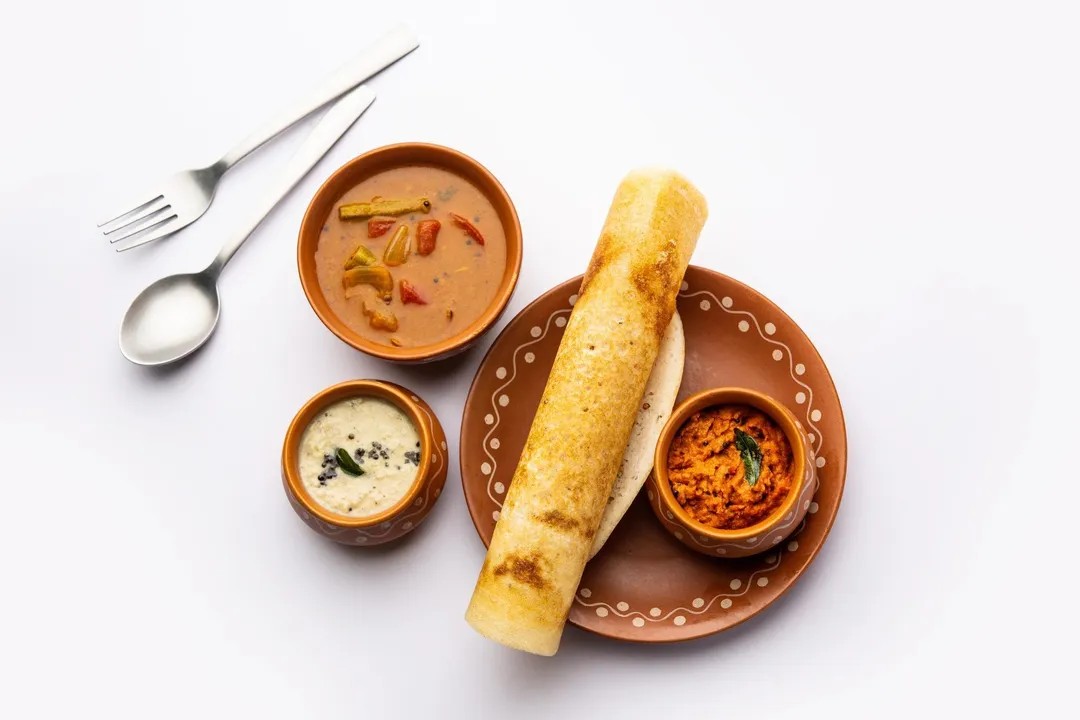
Steaming avoids the addition of extra fats or oils commonly incorporated during the preparation of foods like parathas or dosas.
The preparation method itself is crucial to the idli's reputation as a gentle food because it involves steaming. Steaming is a dry heat method applied via moist air, which means the primary ingredient matrix—the ground rice and lentil batter—is cooked without submerging it in or frying it with added lipids. This contrasts sharply with methods used for items like dosas or parathas, which almost always require moderate to high amounts of oil or ghee applied directly during cooking to achieve their desired texture, making idli naturally low-fat.
Related Questions
Why is Idli often suggested for immediate relief when the digestive system is experiencing distress?How does the Steam Cooking method used for Idli prevent added fat content in the final product?What crucial biological process elevates Idli batter beyond a simple steamed rice cake, aiding digestion?What Ayurvedic principle links the light nature of Idli to its preparation method?What specific component differentiates a crispy Dosa from an Idli, potentially making the Dosa heavier on a troubled stomach?Why is consuming a cold, refrigerated Idli considered less ideal than a freshly steamed, warm Idli during digestive recovery?For individuals managing severe IBS or IBD, what substance, increased by fermentation, might cause gas or bloating when consuming Idli?What practical advantage does the Idli's high moisture content offer when a person is fighting an illness involving potential fluid loss?What is the primary guideline for serving Idli initially to ensure the base ingredients are tolerated by a very sensitive stomach?Which food item listed in the comparison chart receives a Moderate ranking for Digestibility when dealing with an upset stomach?