Are additives good or bad for you?
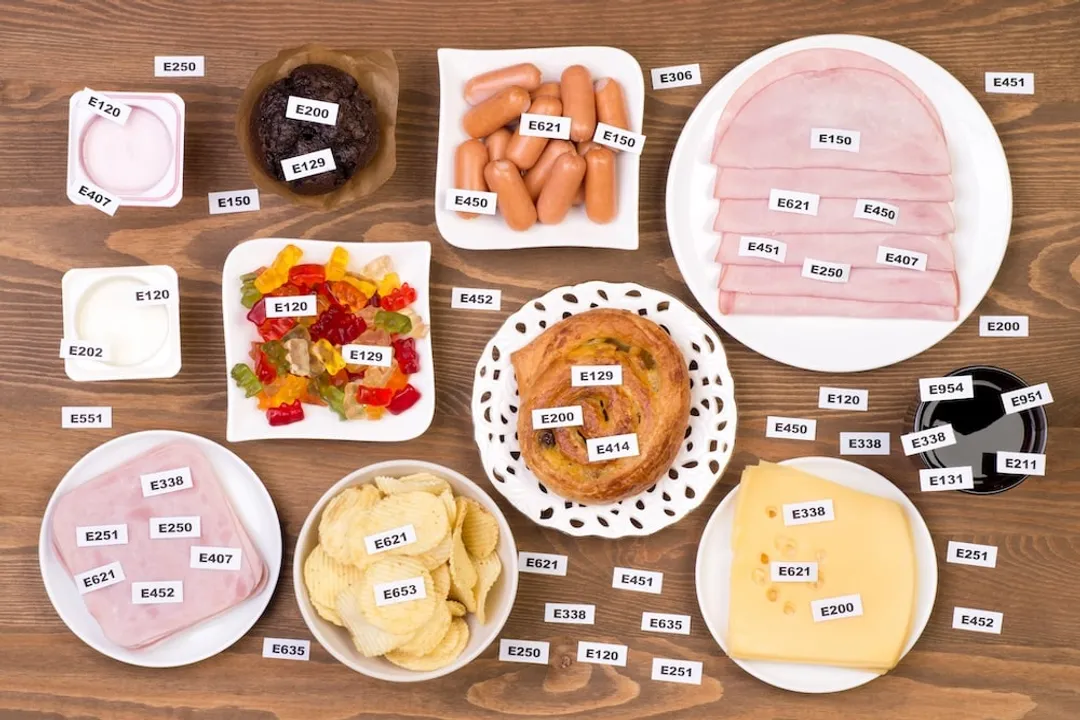
Food additives are one of those topics that spark instant debate, often leading to a simple "good versus bad" conclusion. However, the reality of what these ingredients are, why they are included, and how they affect us is far more nuanced. They are not a single category but a vast group of substances added to food for various reasons, ranging from keeping a loaf of bread safe to eat for a week to ensuring a spice blend retains its vibrant color. [1][2] Understanding their role requires moving past simple labels and looking at the science and regulation behind them. [8]
# Purpose Driven
The primary function of food additives revolves around safety, quality, and efficiency in the modern food supply. [2] Without certain ingredients, the food we buy today would look, taste, and spoil very differently. Additives serve several key operational roles. They are used to preserve food, which prevents spoilage caused by mold, yeast, or bacteria, directly improving food safety and reducing waste. [1][2] They also maintain or enhance the texture, flavor, or appearance of food products, which is crucial for consumer acceptance. [2] For example, emulsifiers help keep ingredients from separating, giving mayonnaise its creamy consistency, while stabilizers ensure that frozen desserts don't form large ice crystals. [8]
Furthermore, additives are essential for nutritional fortification. Vitamins and minerals are often added back into processed foods—like iodized salt or fortified breakfast cereals—to ensure the population receives necessary nutrients that might be lost during processing or were naturally low in the base ingredients. [1][2] It is a common misconception that all additives exist purely to make food hyper-palatable or unhealthy; many are fundamental to the safety and longevity required for global food distribution. [8]
# Safety Rules

The term "additive" often conjures images of unregulated chemical dumping, but in most developed countries, these substances are subject to rigorous testing and approval processes. [2] Regulatory bodies, like the World Health Organization (WHO), set international standards for food safety. [2] In the United States, the Food and Drug Administration (FDA) evaluates additives, and substances are classified either as "generally recognized as safe" (GRAS) or require specific approval before use. [2] Similarly, in Europe, additives are assigned E-numbers, which serve as unique identifiers after scientific assessment. [8]
The consensus among these regulatory bodies is that when additives are used within the specified acceptable daily intake (ADI) levels, they do not pose a health risk to the general population. [2] This distinction between permitted use and excessive consumption is vital. Many natural substances, consumed in massive quantities, could also cause adverse effects. [4] The issue, for most people, is not the presence of an approved additive, but rather the total volume consumed over time. [5]

# Individual Reactions
While safety assessments are based on the average consumer, food is not one-size-fits-all. Concerns about additives frequently arise from documented individual sensitivities and allergies. [1][2] Certain individuals may experience adverse reactions, such as headaches, digestive upset, or skin reactions, to specific compounds even at approved levels. [1] For example, sulfites, commonly used as preservatives, can trigger asthma attacks in sensitive people. [2]
A significant area of public concern, particularly directed toward children's health, involves certain artificial colorings. [6] Some studies have indicated a link between specific artificial food colorings and increased hyperactivity in susceptible children. [6] For parents worried about this, identifying and eliminating these specific colorings can sometimes lead to observable behavioral improvements. [6] This highlights that while a chemical might be deemed safe for the general public based on standard toxicological testing, it may still negatively impact a sensitive subset of the population. [1] Some lists detailing specific additives to avoid often reflect these known sensitivities rather than broad toxicity concerns across the board. [7]
# Decoding Labels
Navigating the ingredient list is where the theoretical discussion meets practical consumer action. Understanding what you are consuming requires looking beyond the marketing claims on the front of the package. [8] In many regions, ingredients must be listed in descending order by weight, which helps gauge the quantity present. [8] Additives are usually listed by their function (e.g., preservative, emulsifier, antioxidant) or by their specific chemical name. [8]
While reading labels can feel like a forensic exercise, knowing that a name like sodium benzoate is a preservative or that caramel coloring is simply a coloring agent makes the process less intimidating. [8] However, tracking cumulative exposure is difficult. While regulatory bodies set limits for a single product, the total additive load from multiple sources throughout the day is often harder for consumers to track than the single-item limit. [2] For instance, a common preservative used in bread might also appear in a packaged snack, compounding the daily intake, even if each item is individually compliant. [2]

# Making Informed Choices
The question shifts from are they bad? to are they necessary in this specific food, and what am I gaining? When dealing with highly processed items, the additives often serve two purposes: preservation and palatability enhancement designed to make you want more. [5] When assessing a product, instead of just scanning for "danger" words, try calculating the "shelf-to-plate" ratio. If a simple ingredient like canned beans has 15 ingredients and a shelf life of three years, compare that to dried beans cooked from scratch, which have one ingredient and zero shelf life. This visual contrast helps frame whether the added complexity serves a necessary preservation function or primarily exists for enhanced appeal. [5]
For many people, reducing intake of the most heavily processed foods is the most effective strategy, as these foods naturally contain the highest concentration and variety of additives. [7] This doesn't require a complete ban on everything processed—a can of tomatoes might contain calcium chloride to keep it firm, which is a reasonable trade-off for convenience—but it encourages mindful selection. If a product is essentially preserved and flavored using many substances where simpler alternatives exist, the necessity of those additives comes into question for daily consumption. [7] Ultimately, whether an additive is "good" or "bad" often depends on the specific chemical, the quantity present, and the unique biological makeup of the person eating it. [1][4]
#Videos
Food additives: More than you may have bargained for - YouTube
Related Questions
#Citations
Food additives | Better Health Channel
Food additives - World Health Organization (WHO)
Artificial food additives: hazardous to long-term health? - PubMed
How bad are food additives and preservatives that we use ... - Reddit
Food additives: More than you may have bargained for - YouTube
Common food additives and chemicals harmful to children
7 Food Additives And Preservatives To Avoid - Chefs for Seniors
Busting the myth that all food additives are bad: a quick guide for ...
Are Food Additives Harmful to Our Health? - MIBlueDaily