Is Alaska Pollock good or bad for you?
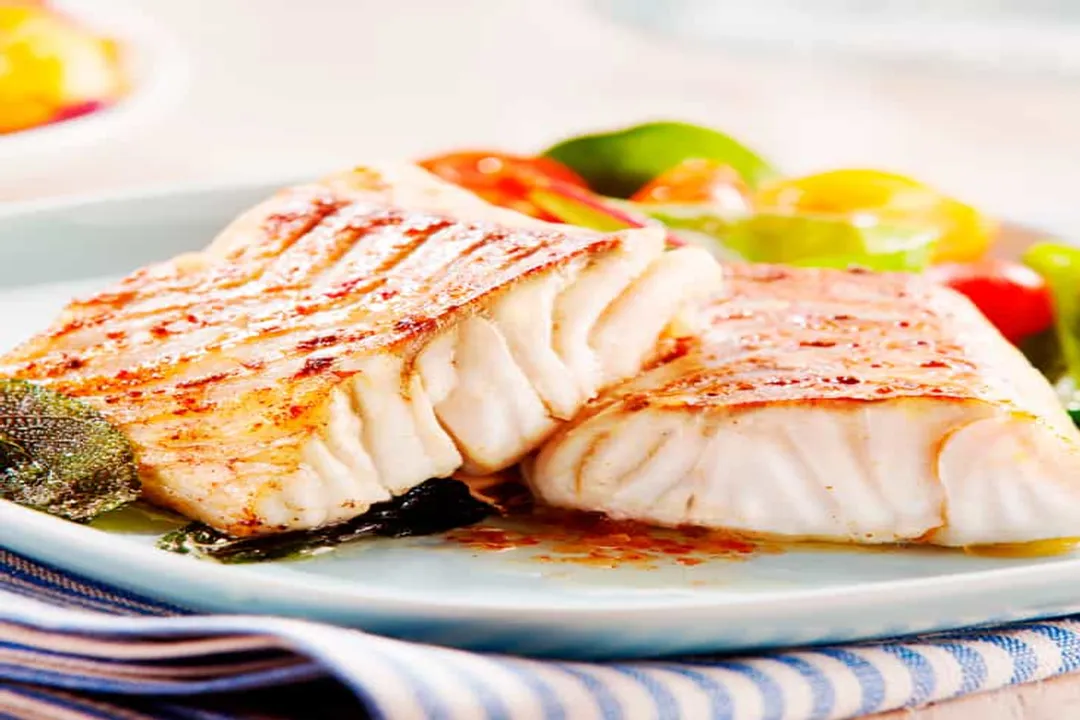
Alaska Pollock is one of the world's most widely harvested white fish, yet its health profile is often misunderstood because it appears in so many different forms on grocery shelves, from plain frozen fillets to processed seafood sticks. [3][5] Determining whether it is a good or bad choice really depends on comparing its innate nutritional value against how it is prepared and what your specific dietary goals are. [1] Generally speaking, the wild-caught version offers a wealth of nutritional advantages when consumed in its whole-food state. [9]
# Core Nutrients
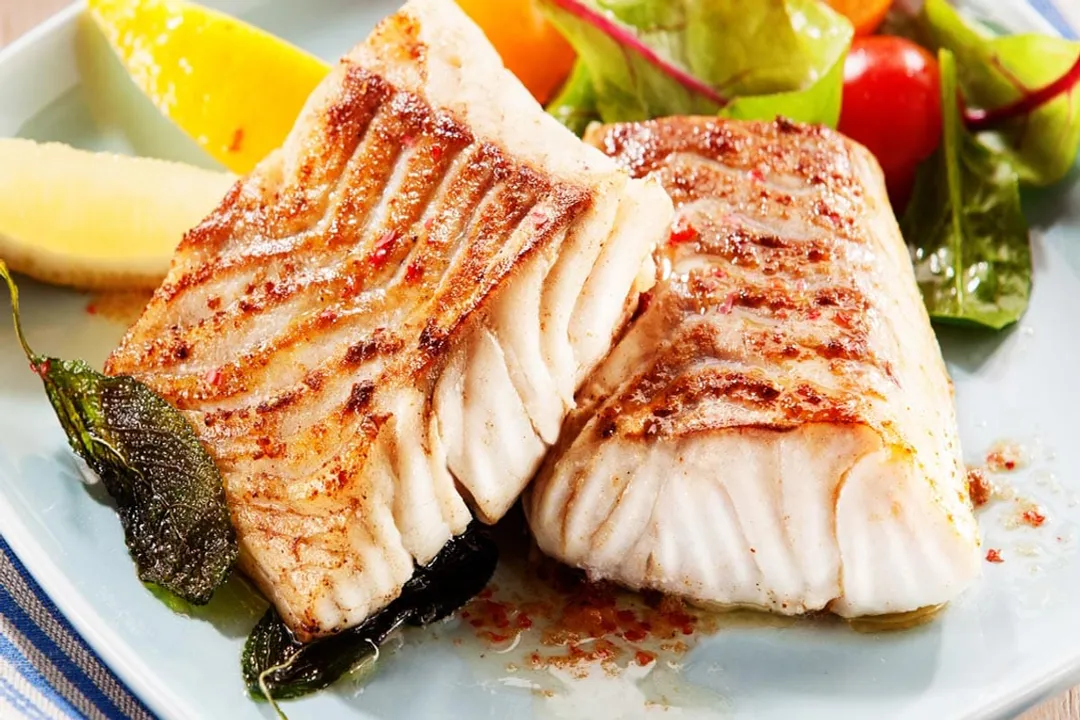
When we look at the basic nutritional building blocks, pollock stands out as an excellent source of lean protein. [2][6] It is naturally low in total fat and calories, making it an easy addition to weight management or low-fat diets. [1][4] This low-fat nature is one of its defining characteristics when compared to oilier fish varieties. [2]
Beyond protein, pollock packs several important micronutrients. [1] It is a good source of the B vitamins, particularly Vitamin B12, which is essential for nerve function and red blood cell formation, and Niacin. [2][6] Minerals are also present, with pollock providing significant amounts of phosphorus and selenium. [1][6] Selenium, in particular, functions as a powerful antioxidant that supports a healthy immune system. [6]
# System Support
The presence of Omega-3 fatty acids, specifically EPA and DHA, means pollock contributes positively to cardiovascular and cognitive health. [1][2] While these fats are vital components of a healthy diet, it is worth keeping a relative comparison in mind. If your main aim in eating fish is to load up on the highest levels of Omega-3s possible—perhaps for intense anti-inflammatory goals—you will find that pollock contains substantially lower amounts than species like salmon or sardines. [2] Therefore, while it contributes valuable Omega-3s, it should be viewed as part of a varied rotation of seafood rather than the sole source of marine fats. [2]
This fish also aids in building and maintaining bodily structure. The combination of quality protein and minerals like phosphorus supports healthy bone structure. [1] For many people, incorporating a lean white fish like pollock several times a week is an accessible way to improve overall nutrient intake without adding heavy saturated fats to the menu. [4]

# Toxin Risk

One significant positive aspect relating to long-term health is the relatively low mercury concentration in pollock. [1][4] Mercury bioaccumulates in larger, predatory fish that live longer, such as shark or swordfish. [4] Because pollock are smaller and generally managed through sustainable, well-regulated harvests in their Alaskan waters, they tend to accumulate far less of this heavy metal. [1][9] This lower risk profile often places pollock high on recommended lists for frequent consumption, especially for vulnerable populations such as children or women who are pregnant or breastfeeding. [4]
# Fishery Management
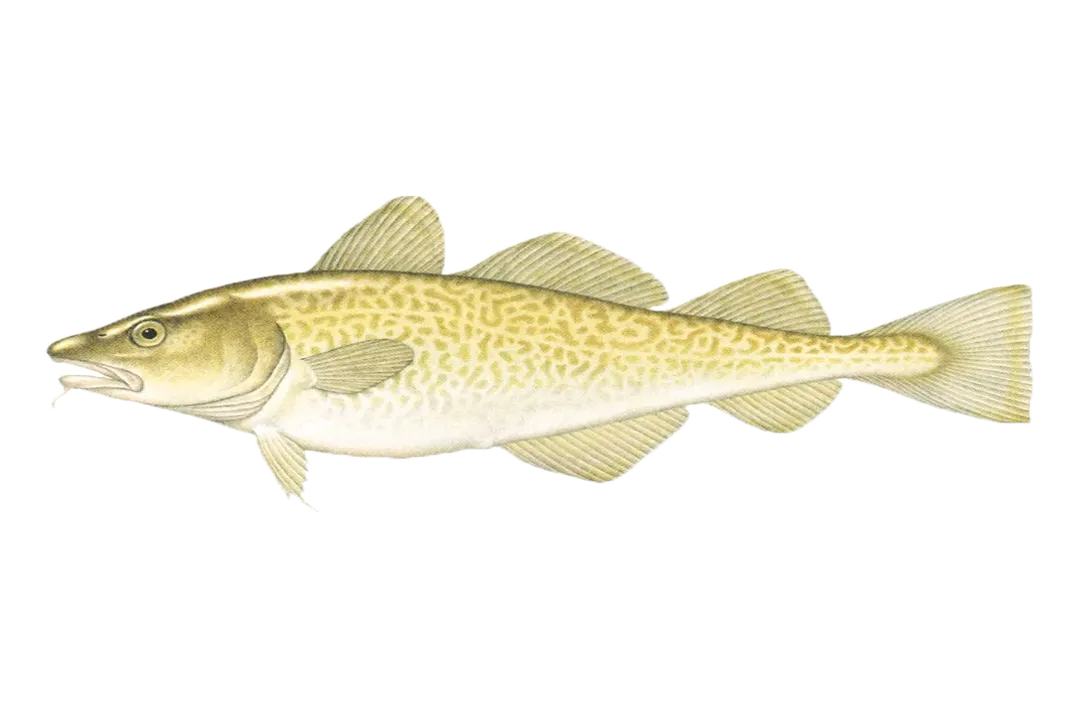
The source of the fish matters for both environmental and consistency reasons. [9] Wild Alaska Pollock is sourced from the cold, clean waters of the Bering Sea and the Gulf of Alaska. [2] This fishery is distinct because it is subject to rigorous, science-based management regulations. [9] When you see the "Wild Alaska Pollock" label, it often signifies a commitment to maintaining healthy fish stocks, which speaks to the long-term viability of this food source. [9] This responsible stewardship helps ensure the supply remains consistent and environmentally sound year after year. [9]
# Kitchen Role
The mild, slightly sweet flavor and delicate, flaky texture mean pollock adapts well to many different cuisines and cooking techniques. [3] This versatility is why it is so common in the marketplace; it forms the foundation for many convenient, processed products like fish sticks, sandwich patties, and even imitation crab meat. [3][4] Its affordability also makes it a budget-friendly protein option. [5]
However, this is where the "good or bad" question becomes most nuanced. While the fish itself is lean and nutritious, the preparation method can drastically change its health standing. [3] A skinless, baked fillet is an excellent, low-fat meal, but a heavily breaded and deep-fried version absorbs significant amounts of cooking oil, negating the low-fat advantage and adding substantial calories and unhealthy fats. [3] To maximize the health benefits derived from this plentiful white fish, consumers should prioritize purchasing plain, frozen fillets or whole portions and prepare them using baking, grilling, or light pan-searing, rather than relying on pre-packaged, fried alternatives. [3]
Related Questions
#Citations
What Are the Health Benefits of Pollock? - WebMD
Health and Nutrition (About the Fish) | Genuine Alaska Pollock ...
Is Alaska Pollock Good For Our health? - Ocean Treasure
Pollock Fish Nutritional Facts - Sutter Health
Why is alaskan pollock so cheap? : r/EatCheapAndHealthy - Reddit
Pollock Fish Benefits, Nutrition and How to Cook - Dr. Axe
5 reasons to eat pollock
Wild Alaska Pollock | Species - Trident Seafoods
Wild Alaska pollock is nutritious, sustainable and a boost to the local ...