Is idli good for a bad stomach?
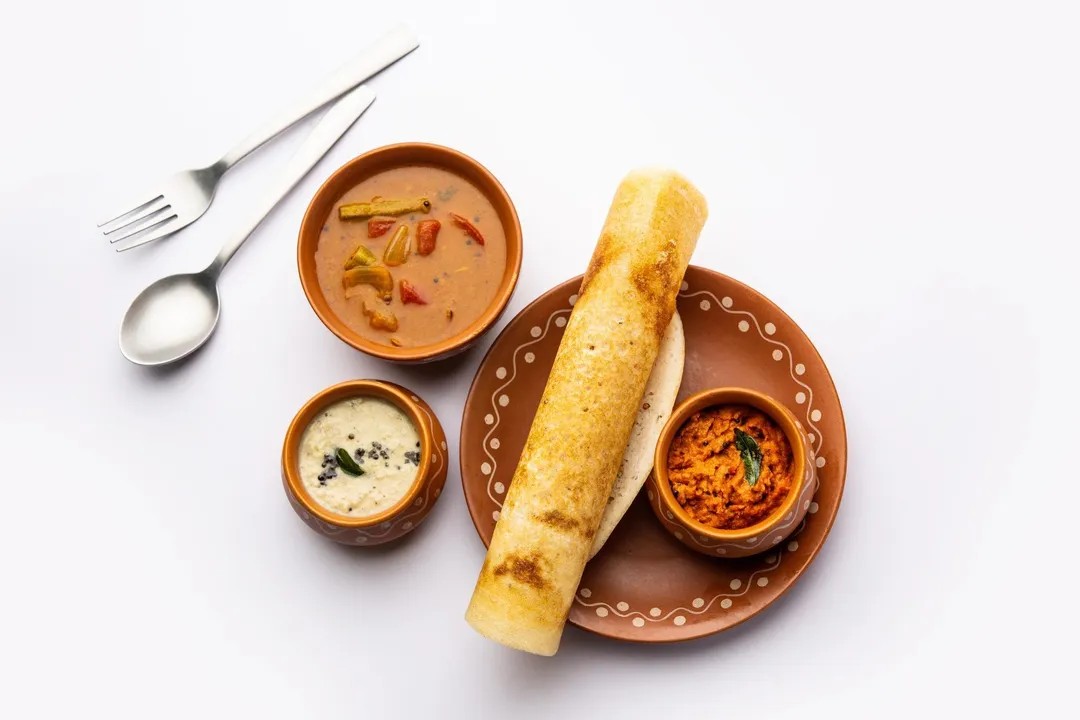
The comforting, pillowy steamed cake known as idli has long held a place in many households as the go-to food when the digestive system feels less than cooperative. It is frequently suggested when someone is recovering from illness or simply experiencing an upset stomach. [1] This advice, often rooted in traditional knowledge systems like Ayurveda, points toward the food's inherently mild nature. [2] When your stomach is signaling distress, the goal shifts from high-powered nutrition to gentle restoration, and idli fits this requirement because it is generally soft and simple to process by the gut. [1]
# Steam Cooked
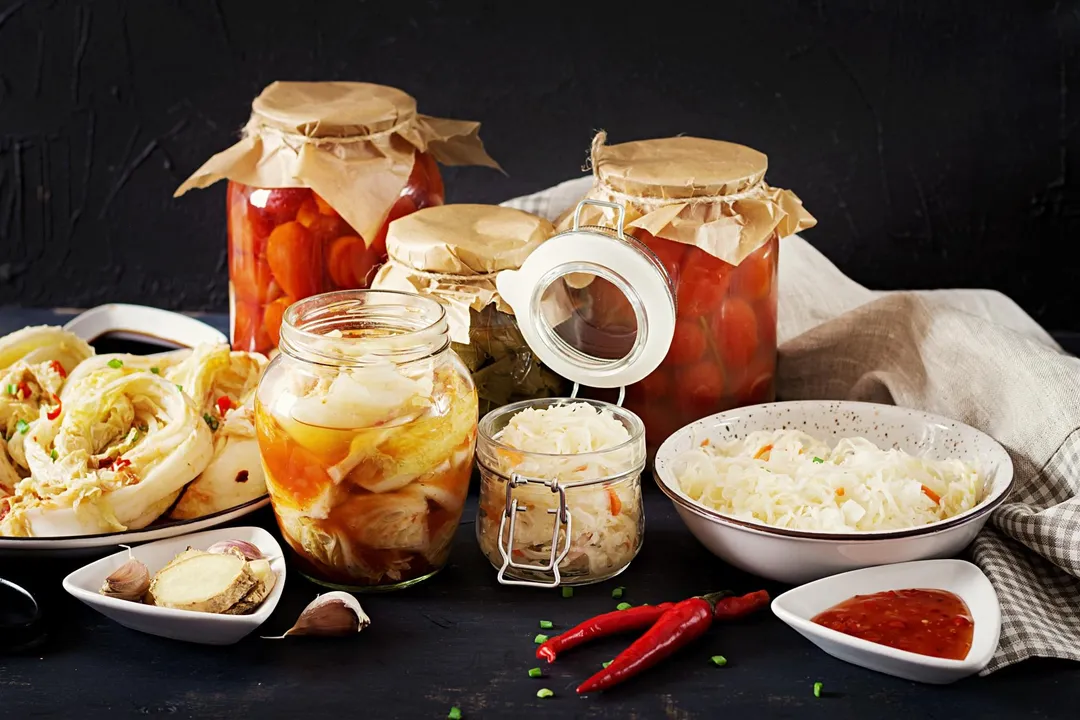
The preparation method itself is a significant factor in idli's reputation as a gentle food. Idlis are cooked by steaming, a process that avoids the addition of extra fats or oils commonly found in other breakfast staples like parathas or even dosas. [5][3] This low-fat nature is beneficial, as high-fat meals can sometimes trigger or worsen digestive upset, especially conditions like gastritis, where the stomach lining is irritated. [4] Since idli is made from a ground batter of rice and lentils that is then steamed into a cake, it presents itself as a relatively bland, easily broken-down carbohydrate source. [7] For someone experiencing digestive issues, the less work the stomach has to do to break down the food, the better the immediate recovery prospects. [1]
# Fermentation Benefits
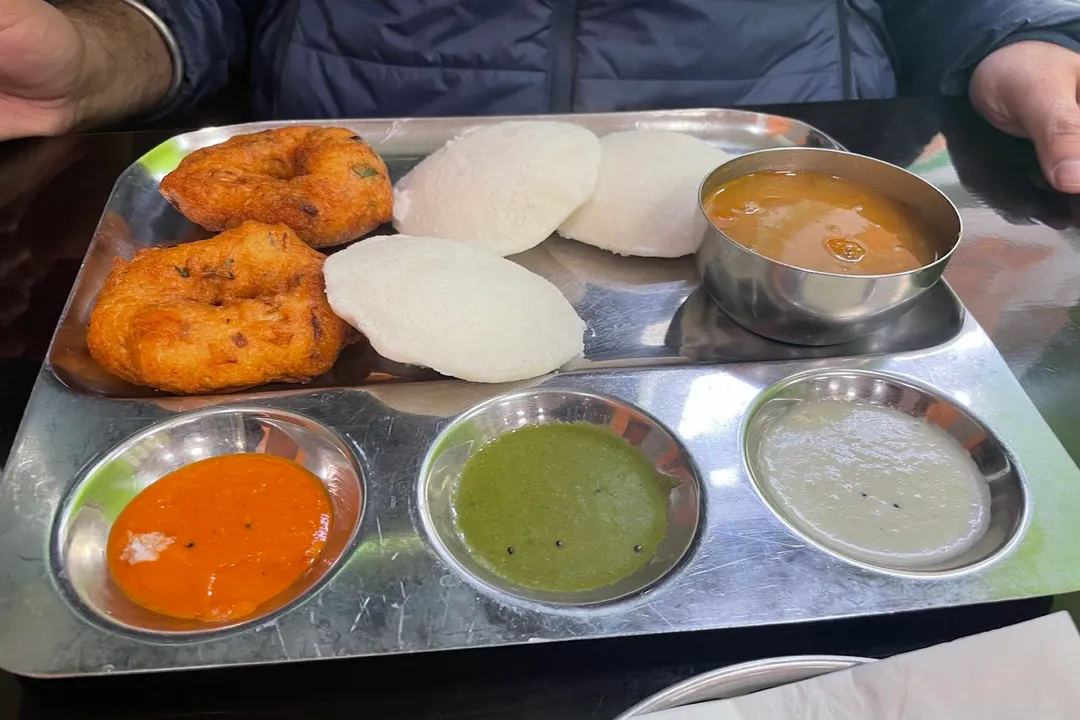
Beyond just being steamed and soft, the crucial element that elevates idli from mere steamed rice cake to a potentially gut-supportive food is the process of fermentation. [6] The batter, typically a mix of rice and urad dal (black gram), is allowed to ferment, often overnight. [7] This biological transformation introduces numerous advantages. The fermentation process breaks down some of the complex carbohydrates, making the resulting food easier to digest overall. [3]
Fermented foods introduce beneficial bacteria—probiotics—into the system. [6] While the exact count of live cultures surviving the steaming process might vary, the fermentation itself pre-digests components of the batter, which is a significant aid to digestion. [7][9] Furthermore, this process can unlock or increase the bioavailability of certain nutrients present in the rice and lentils, meaning your body can absorb them more effectively. [3] Ayurveda links the lightness of idli to its preparation, often citing the pachana shakti, or digestive fire, being supported by the preparation method which makes the food laghu (light). [2]
# Composition Contrast
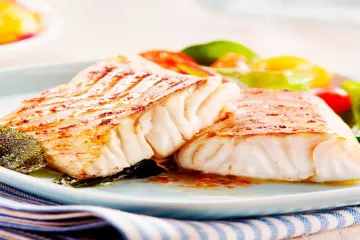
It is useful to compare idli not just to fried foods, but to its close cousin, the dosa. While both share the same fermented batter foundation, the way they are served dictates their impact on a troubled stomach. A dosa requires spreading the batter thinly on a hot griddle and is almost always served with a generous amount of oil or ghee to achieve crispness. [3] This added fat content makes the dosa a potentially heavier meal than the steamed idli, especially when the digestive system is already compromised. [3]
Think of it this way: an idli is nearly pure steamed carbohydrate and protein matrix, whereas a standard, crispy dosa includes a significant lipid component. [4] If a patient is dealing with acute indigestion or is advised a very bland diet, the unadulterated, fat-free idli serves as the safer vehicle for nutrient and energy intake. [4]
| Food Item | Primary Cooking Method | Typical Added Fat | Digestibility Ranking (for upset stomach) |
|---|---|---|---|
| Idli | Steaming | None/Minimal | High |
| Dosa | Griddle frying | Moderate to High | Moderate |
| Poori | Deep Frying | High | Low |
| Plain Rice | Boiling | None | High |
When considering what to eat during recovery, the temperature at which you consume the idli also makes a noticeable difference in comfort. [1] A freshly steamed, warm idli is substantially easier to manage than one that has been refrigerated and eaten cold. Cold, hard foods force the stomach to expend more energy to bring them up to body temperature before digestion can effectively begin. A warm, soft idli offers a gentler, almost immediate acceptance by the digestive tract. [1] This is an important practical consideration that moves beyond just the ingredients; it focuses on the immediate physical state of the food being consumed.
# Gut Health Nuances
While the short-term relief from an upset stomach is often apparent, the long-term view on fermented foods requires a bit more context. Experts caution that foods like idli and dosa are not automatically "lighter" on the gut simply because they are fermented, especially if consumed daily without other dietary considerations. [9] The benefits of fermentation are undeniable for overall gut health and the microbiome. [6][7] However, continuous, heavy consumption of any single food, even a traditionally healthy one, can sometimes be less beneficial than a varied diet. [8] The specific balance of rice to lentil, the quality of the starter culture, and the duration of fermentation all influence the final product's characteristics. [8]
Moreover, for individuals with specific conditions, like severe irritable bowel syndrome (IBS) or certain types of inflammatory bowel disease (IBD), the increased fermentable carbohydrates (FODMAPs) introduced during fermentation, even though partially broken down, can occasionally trigger gas or bloating. [9] This suggests that what is soothing for general indigestion might not be ideal for every specific diagnosed gut ailment.
An often-overlooked aspect when dealing with any digestive distress is the need to maintain hydration. Unlike dense, dry crackers or bread, an idli possesses a naturally high moisture content due to the steaming process. [5] When the body is fighting an illness, fluid loss can be a concern. Consuming idlis provides necessary calories and soft matter alongside essential water content, assisting in rehydration subtly, which is a clear advantage over drier carbohydrate sources that require the body to pull more water for their breakdown.
# Serving Suggestions
The way you serve your idli can swing it from being a purely restorative food to one that hinders recovery. Traditional accompaniments like sambar and chutney can add complexity that a very sensitive stomach might not tolerate initially.
For immediate relief from an upset stomach, the purest form is best:
- Plain Warm Idli: Consume one or two idlis warm, without any accompaniments. This isolates the food item to ensure your body tolerates the base ingredients. [1]
- Ghee Addition: If you require more calories or energy and can handle a small amount of fat, adding just a tiny amount of pure ghee (clarified butter) on top of the warm idli is often better tolerated than using oil. Ghee, when consumed in moderation, is often considered gentler than other fats because the milk solids have been removed. [2]
- Mild Chutney: Once the plain idli is tolerated, slowly introduce a very mild, non-spicy chutney, such as a plain coconut chutney made without excessive ginger, chili, or tamarind. The traditional sharp flavors in many chutneys are designed to stimulate digestion, which is counterproductive when digestion is already overtaxed. [4]
Remember that while idli is generally easy to digest, it is primarily a carbohydrate. For sustained recovery from a significant illness, incorporating other easily digestible proteins or vegetables—like very well-cooked and mashed lentils (dal or moong dal)—alongside the idli becomes important to prevent nutrient deficits as you begin to heal. [4] The idli serves as an excellent, safe starter to reintroduce solids, not necessarily the entirety of your recovery diet.
Related Questions
#Citations
Is there a reason that people suggest eating idli when ...
Is idli good for an upset stomach and digestive issues?
Can Idlis and Dosas Improve Your Gut Health?
Gastritis Diet Guide: What to Eat and Avoid for Relief
Idli: The South Indian Superfood for Everyday Health | Dr Pal
Why Fermented Foods Like Idli & Dosa Are Great for Your ...
Is Idli Good for Gut Health? Exploring the Benefits of This ...
Are Fermented Foods Good Or Bad For You? Find Out NOW
Fermented foods like idli and dosa are healthy, but you ...