Are butter beans good for the gut?
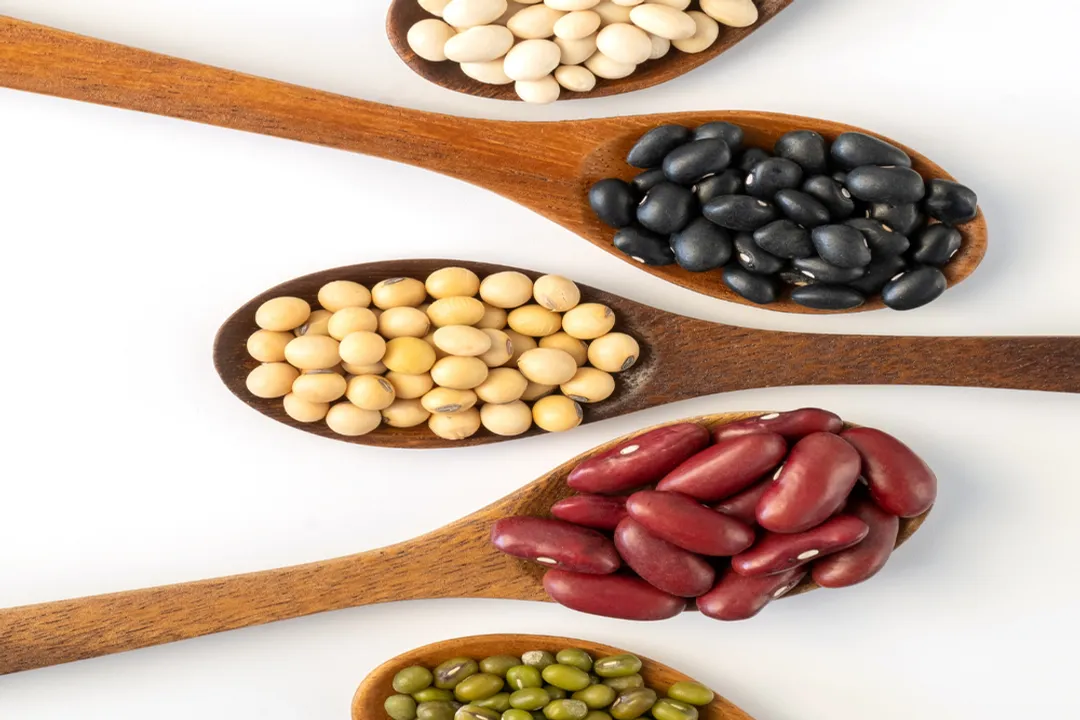
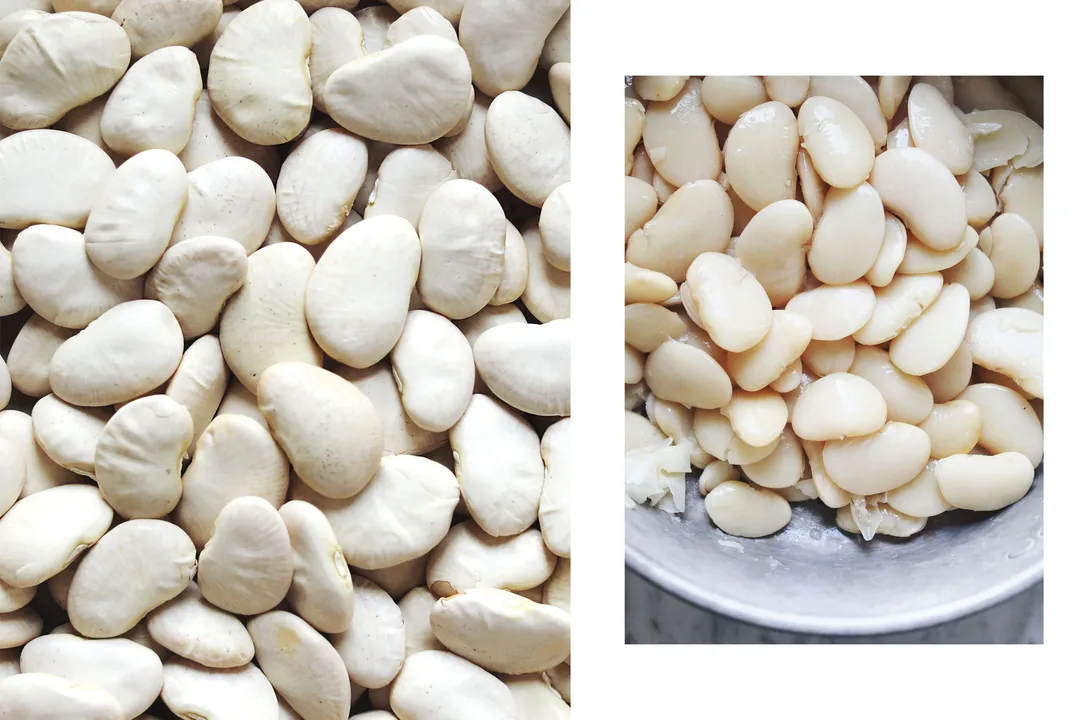
Butter beans, those large, creamy white legumes, often find their way into hearty stews, rich side dishes, or simply enjoyed mashed and seasoned. Their appeal lies not just in their satisfying texture but also in their nutritional contribution to meals. When we consider the gut, the conversation inevitably turns to fiber, and beans, as a category, are nutritional heavyweights in that department. [3] The primary question then becomes how butter beans specifically measure up in supporting a healthy digestive environment, especially when compared to other common beans or when considering how they interact with our internal systems.
# Fiber Content

Beans, including butter beans, are excellent sources of dietary fiber, which is essential for maintaining regularity and supporting the balance of gut bacteria. [3] Fiber adds bulk to stool, which assists in moving waste through the digestive tract efficiently. [3] This bulk and smooth transit time are critical components of good gut health.
The specific nutritional breakdown can sometimes show subtle differences between varieties. For instance, while lima beans and butter beans are often discussed together—sometimes being called the same thing depending on the region or stage of maturity—their exact nutritional profiles might vary slightly, though both generally carry the high-fiber signature of legumes. [1][5] When comparing butter beans to a smaller variety like cannellini beans, the differences might be small but noticeable in macronutrient density, though both offer significant fiber. [2] However, it is the type of fiber, and how the body processes it, that truly impacts the gut.
# Gut Comfort
For many people, the consumption of beans brings up concerns about gas and bloating. This is a known side effect related to certain complex carbohydrates found in legumes, often referred to as oligosaccharides. The ability of a bean to be "easy to digest" often hinges on the successful breakdown or removal of these compounds. [9]
Interestingly, some legumes are naturally easier on the digestive system than others. The general consensus on which beans cause less gas and bloating points toward focusing on preparation methods, but some bean types appear inherently gentler. [9] While the exact data might not single out butter beans as the absolute best for minimal gas, they are still a dried bean, meaning their digestibility is largely controlled by the cook. [3][9] If one is actively seeking the least problematic option, research into the various beans suggests paying close attention to how different processing techniques affect these compounds. [9]
One helpful approach to maximize the gut-friendliness of butter beans involves a focused preparation ritual. Instead of simply rinsing canned beans, consider soaking dried beans overnight—even if you plan to cook them fully later—and discarding that initial soaking water. [9] If using canned varieties, draining and rinsing them thoroughly before incorporating them into a recipe significantly reduces the levels of starches and sugars that can lead to fermentation and subsequent gas. [3] The key takeaway for gut comfort isn't necessarily which bean you choose, but how you treat it before it reaches your plate.

# Variety Comparisons
The interchangeability of beans in recipes often leads to questions about substitution based on health. For example, the comparison between lima beans and butter beans highlights a point of culinary confusion, as they are often related or used interchangeably depending on geography or maturity. [1][5] Nutritionally, both are powerhouses, but if one is trying to manage very sensitive digestion, understanding subtle differences—if they exist in a specific study—might influence a choice, though both fall into the category of beans that need careful preparation. [5]
Similarly, looking at butter beans versus cannellini beans shows that while both are fantastic sources of nutrition, differences in starch structure or water absorption rates during cooking might subtly affect how quickly they are processed by the small intestine. [2] If a recipe calls for a creamy texture, butter beans deliver that characteristic richness, which can be particularly satisfying when eaten alongside fermented foods that also support gut flora, creating a balanced, satisfying meal profile. [4]
Here is a simplified breakdown of how common preparation affects the final product's ease of digestion, applicable across many bean types including butter beans:
| Preparation Step | Primary Gut Benefit | Notes |
|---|---|---|
| Soaking Dried Beans (8+ hours) | Reduces gas-causing oligosaccharides | Discard water completely |
| Thorough Rinsing (Canned) | Removes surface sugars/salts | Essential even for pre-cooked beans |
| Slow Cooking/Simmering | Ensures complete breakdown of complex fibers | Undercooked beans are harder to process |
| Pairing with Digestive Aids | Enhanced breakdown | Incorporating herbs like ginger or cumin can help [8] |
# Integrating Into Daily Meals
The true benefit of butter beans for the gut manifests when they are incorporated regularly into the diet, not just as an occasional indulgence. A steady intake of beans supports the microbiome by feeding beneficial bacteria with their high levels of non-digestible carbohydrates. [3] This ongoing support is more impactful than sporadic consumption.
To make this integration seamless and enjoyable, think beyond just stews. For instance, smashing well-cooked butter beans with lemon, garlic, and olive oil creates a spread that can replace heavier alternatives on toast or crackers, offering a high-fiber, plant-based base for the day. [4] Another strategy for consistent inclusion is adding them to grain bowls where their softness contrasts nicely with crunchy vegetables and whole grains.
When you are preparing a batch of butter beans, thinking about the next meal can be helpful for managing intake. If you cook a large pot from dried, portion it out immediately—some for dinner, some for tomorrow's lunch—and freeze the excess rather than relying solely on canned versions for convenience throughout the week. This allows you to control the initial preparation (soaking and cooking time) for every batch, offering a personalized approach to minimizing potential digestive triggers. [3]
# Beyond Digestion
While the immediate focus is often on comfort and gas, the broader nutritional profile of butter beans also supports overall health, which indirectly benefits the gut environment. Beans are recognized for being good for the heart, often due to their fiber and low fat content, which can help manage cholesterol levels. A healthy cardiovascular system supports every system in the body, including circulation to the digestive tract.
Furthermore, they are a good source of plant-based protein. [2] Pairing that protein with the fiber helps promote satiety, meaning you feel full longer. This can prevent overeating or reaching for less nutritious snacks between meals, keeping the digestive load more consistent throughout the day. [3]
In summary, butter beans are unequivocally good for the gut when managed correctly. They deliver essential fiber that nourishes the microbiome and aids regularity. [3] The potential downside—bloating—is overwhelmingly mitigated by proper soaking, thorough rinsing, and ensuring they are cooked until completely tender. [9] By treating these creamy legumes with the respect their complex structure demands during preparation, you unlock their significant potential as a foundational food for digestive wellness.
Related Questions
#Citations
Lima Beans Vs. Butter Beans: Which Is Healthier? - Today Show
Butter Beans vs. Cannellini Beans | Bob's Red Mill Natural Foods
Healthy meals with dried beans - Mayo Clinic Health System
Marry Me Butter Beans - My New Roots
Are Lima Beans or Butter Beans Healthier? The answer ... - Facebook
Need inspiration for a quick meal that supports your gut health ...
Recipe: Smoky butter beans - ZOE
The Easiest Beans To Digest, Making You Less Gassy and Bloated
ALL THINGS: GUT HEALTH - Bold Bean Co