What defining nutritional characteristic distinguishes Alaska Pollock compared to oilier fish varieties?
Answer
Its naturally low-fat and low-calorie profile
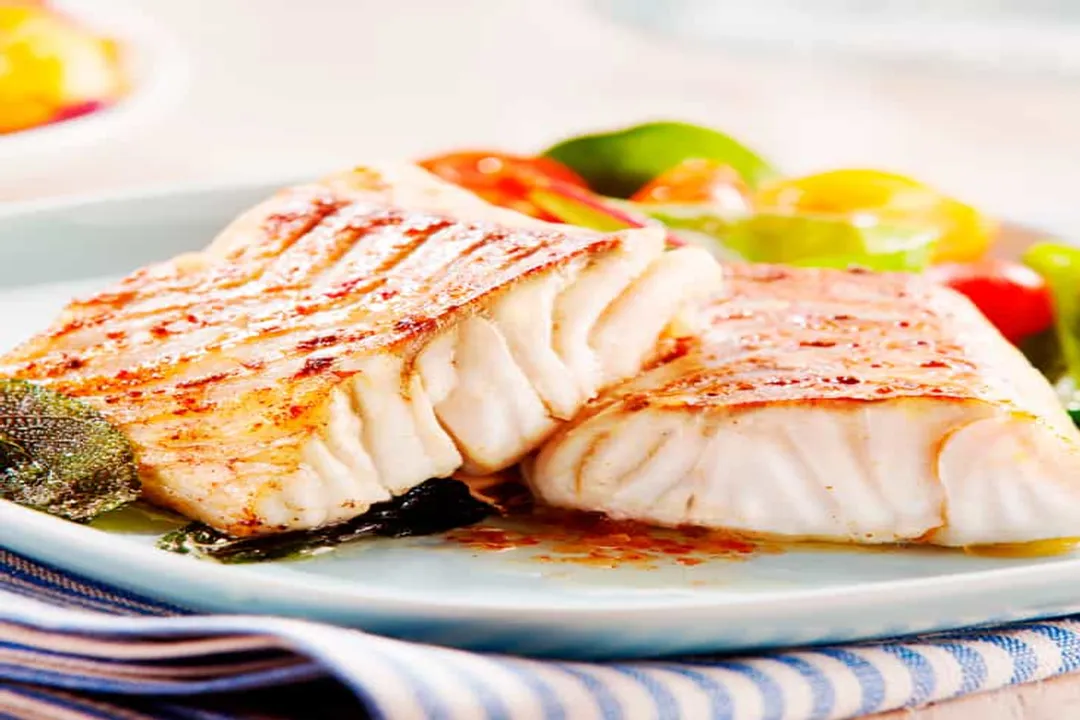
Alaska Pollock is fundamentally characterized by being very low in total fat and calories when compared directly against fattier fish varieties like mackerel or salmon. This low-fat nature is a key defining trait that makes it suitable for individuals focused on weight management or adhering to a low-fat dietary regimen. While it contains essential fats like Omega-3s, the overall fat composition remains substantially lower than that found in species categorized as oilier fish, positioning it as a very lean source of protein.
Related Questions
What defining nutritional characteristic distinguishes Alaska Pollock compared to oilier fish varieties?Which B vitamin essential for nerve function is highlighted as being present in pollock?What vital role does the mineral selenium play in the body, as noted in pollock's nutrient profile?If the main aim in eating fish is to load up on Omega-3s, how does pollock compare to salmon or sardines?What combination of core components supports healthy bone structure in the diet that includes pollock?Why does Alaska Pollock generally exhibit a relatively low mercury concentration compared to shark or swordfish?From which cold waters is Wild Alaska Pollock sourced according to fishery management details?What does the 'Wild Alaska Pollock' label often signify regarding fishery practices?Which processed seafood items utilize Alaska Pollock as a foundation ingredient?How can the preparation method of pollock negate its inherent low-fat advantage?