Why is cross-reactivity extremely common specifically within the crustacean group, but not automatically guaranteed between crustaceans and mollusks?
Answer
Crustaceans share the primary sensitizing agent, tropomyosin.
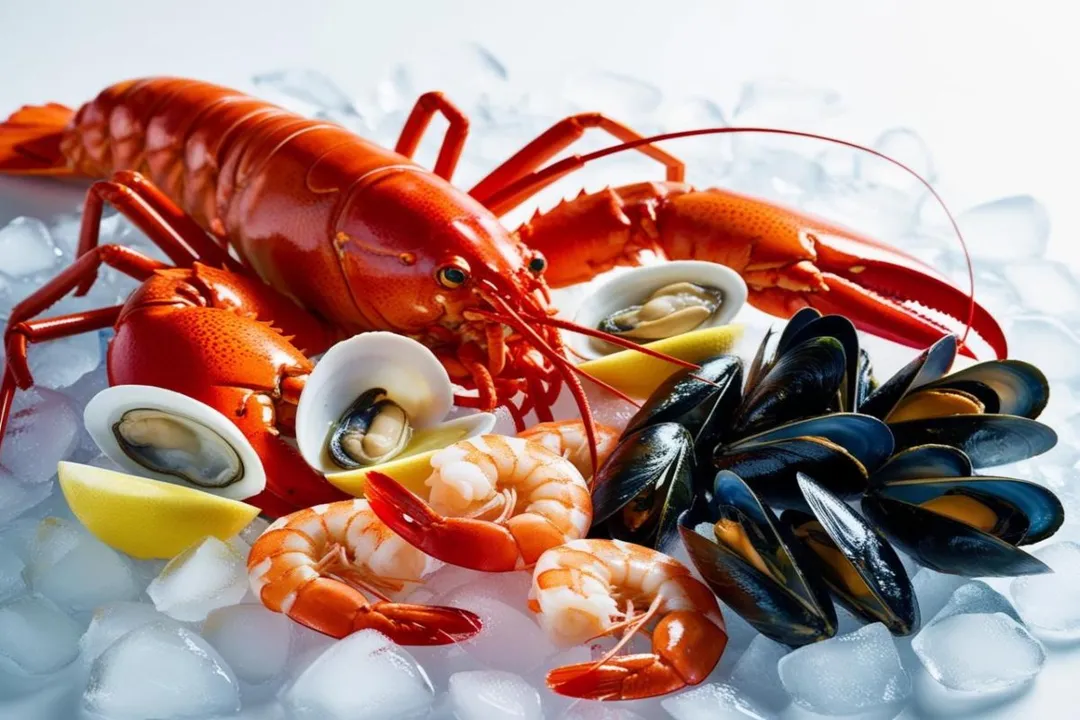
Cross-reactivity is extremely common among crustaceans (shrimp, crab, lobster) because they share a major, common, heat-stable muscle protein allergen called tropomyosin. Since this specific protein is present in the muscle tissue of nearly all members of this group, sensitization to one typically means sensitization to all others in the crustacean category. In contrast, while mollusks might contain tropomyosin, their overall protein profile differs significantly enough that sensitivity is not automatically transferred from the crustacean group to the mollusk group, leading to two officially recognized, distinct categories of shellfish allergies.
Related Questions
What are the two distinct biological categories primarily grouped under the culinary term "shellfish"?What is the heat-stable muscle protein often identified as the major sensitizing agent in individuals allergic to crustaceans?What clinical concept is best represented by the analogy comparing Crustaceans to Door A and Mollusks to Door B?Which examples belong to the Bivalves class specifically mentioned within the Mollusks phylum?Why is cross-reactivity extremely common specifically within the crustacean group, but not automatically guaranteed between crustaceans and mollusks?What is a significant hazard regarding food preparation when ordering a mollusk like mussels in a restaurant that also serves crustaceans?Following negative specific IgE tests for crustaceans, what is the only definitive method to confirm safety before eating a mollusk like an oyster?Which aquatic invertebrates are specifically identified as belonging to the crustacean group of arthropods?What specific class within the Mollusks phylum includes squid (calamari) and octopus?How is the protein profile of mollusks generally described in comparison to the profile found in crustaceans regarding allergenicity?