What specific historical disease risk is linked to feeding Mammalian Meat and Bone Meal (MBM) to cattle?
Answer
Bovine Spongiform Encephalopathy (BSE)
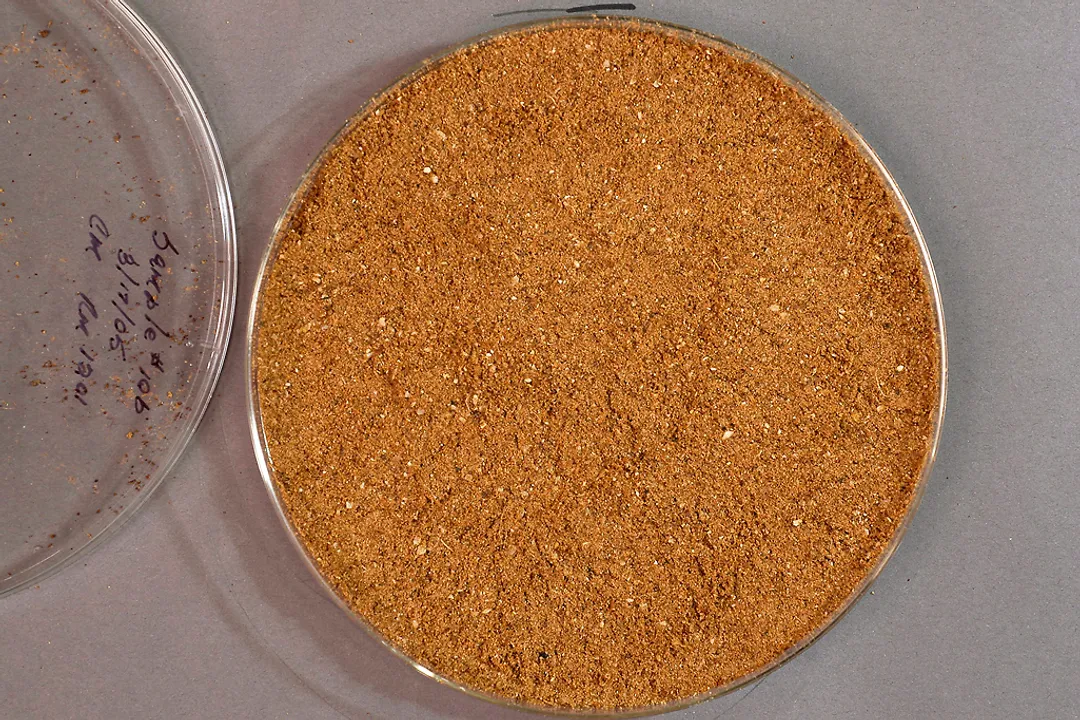
Meat and Bone Meal (MBM) is an ingredient derived from the rendering industry, rich in protein and fat, and historically used to enhance the amino acid profile in animal feeds. The critical risk associated with feeding MBM derived from mammals to ruminants, specifically cattle, is the potential transmission of Transmissible Spongiform Encephalopathies (TSEs), the most notorious of which is Bovine Spongiform Encephalopathy (BSE). Although feeding mammalian MBM to ruminants is now prohibited in many jurisdictions, this historical link highlights a severe danger inherent in consuming feeds containing animal byproducts due to prion contamination risks, a risk entirely absent in simple harvested grains.
Related Questions
What specific historical disease risk is linked to feeding Mammalian Meat and Bone Meal (MBM) to cattle?How does the regulatory path of the Center for Veterinary Medicine (CVM) differ in its optimization goals for animal feed?Which three primary categories of contaminants are monitored by agencies like the FDA in animal feed safety assessments?Which unprocessed grains, if stored correctly and free from additives, can transition from chicken feed into normal bread or direct use?Regarding microbial risks, how does the allowance for mycotoxins in animal feed compare to human-intended food?Beyond BSE, what common zoonotic agents pose a risk when animal products are included in feed rations?What specific environmental risk associated with bulk feed bags, even when kept indoors, can compromise them within a year?What specific source contributes to the presence of veterinary drug residues categorized as chemical contaminants in animal feed?When considering grain conversion efficiency, how many pounds of human-edible protein are returned to the food supply from cattle consuming grain?If avoiding supplements and animal byproducts, what specific confirmation is necessary when purchasing grain sold for animal consumption for potential direct human use?