Is it safe to eat animal feed?
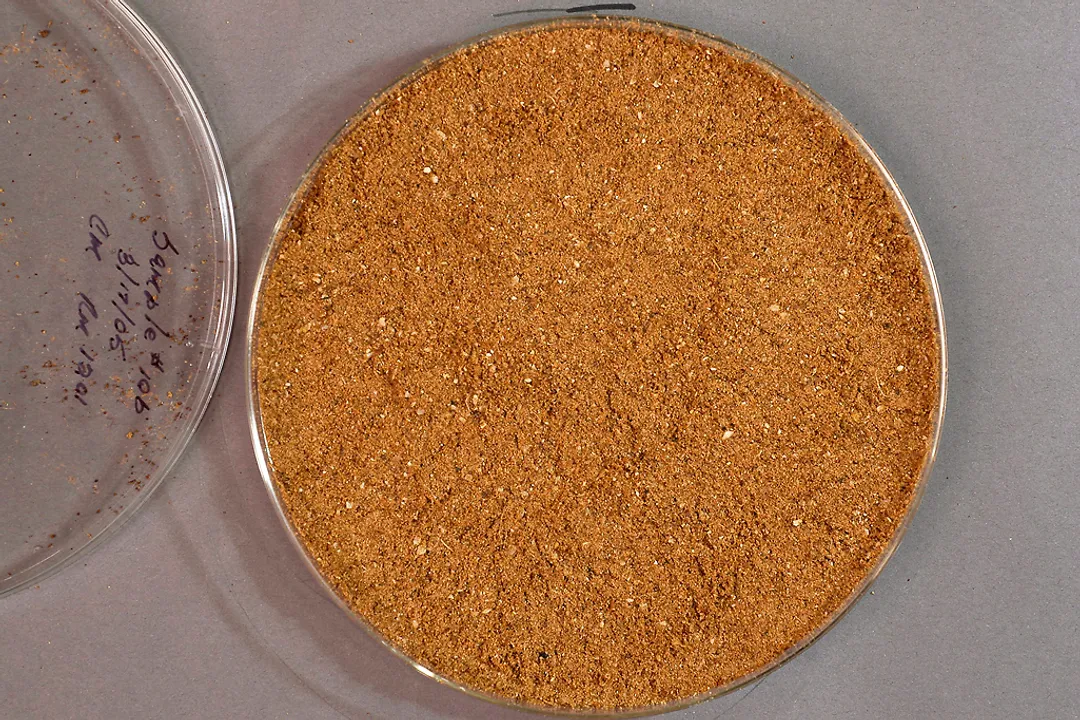
The simple question of whether one can safely consume animal feed, especially during times of perceived scarcity or based on cost comparison, quickly reveals a complex landscape of regulation, formulation, and inherent risk. While some basic components of feed, like whole grains, might seem identical to human staples, the overall mixture and processing standards create a significant divide between what is intended for livestock and what is safe for human ingestion. [3] Relying on animal feed as a substitute for properly sourced, human-grade food should generally be approached with extreme caution due to these critical differences in intended use and regulatory oversight. [3]
# Feed Makeup
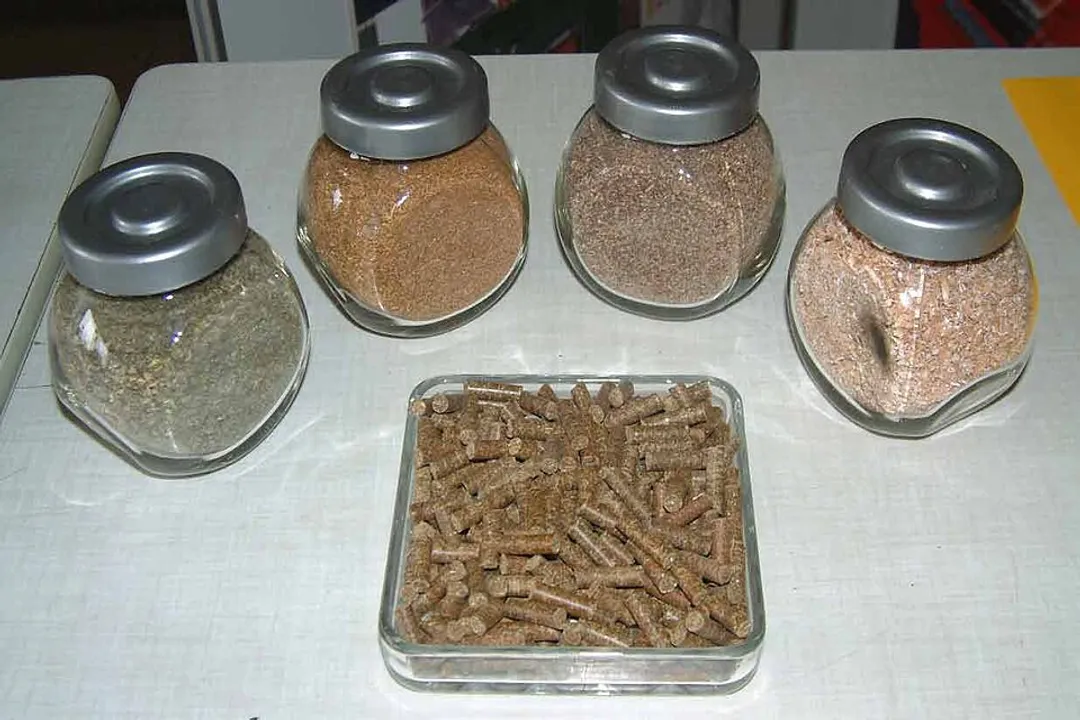
Animal feed is not a monolithic product; its composition varies drastically depending on the target species—a horse, a chicken, or a fish—and the philosophy of the mill producing it. [2] In some instances, particularly concerning basic grains, the base ingredient might indeed be the same commodity that ends up on the human market. [3] For example, whole wheat sold as chicken feed can be milled into normal bread, and oats and barley can be used directly, provided they are stored correctly. [3]
However, formulated feeds include much more than just primary grains like corn, oats, and barley. [3] A significant differentiator comes from supplements designed to boost nutritional profiles for rapid growth or specific animal needs. A prime example of this is Meat and Bone Meal (MBM). [2] MBM, a rendering industry product, is high in protein and fat and is often used to improve the amino acid profile of animal rations. [2]
The inclusion of animal-derived products like MBM immediately shifts the risk profile when considering human consumption. In many parts of the world, feeding MBM to cattle has been linked to the spread of Bovine Spongiform Encephalopathy (BSE). [2] While feeding mammalian MBM to ruminants is now prohibited in many regions, it is still used for monogastric animals (like pigs or poultry) and is widely used in dog and cat food in the United States. [2] Beyond MBM, feeds can contain other processed animal proteins, blood meal, or feather meal, all of which carry associated risks not found in simple harvested grains. [2]
# Safety Risks
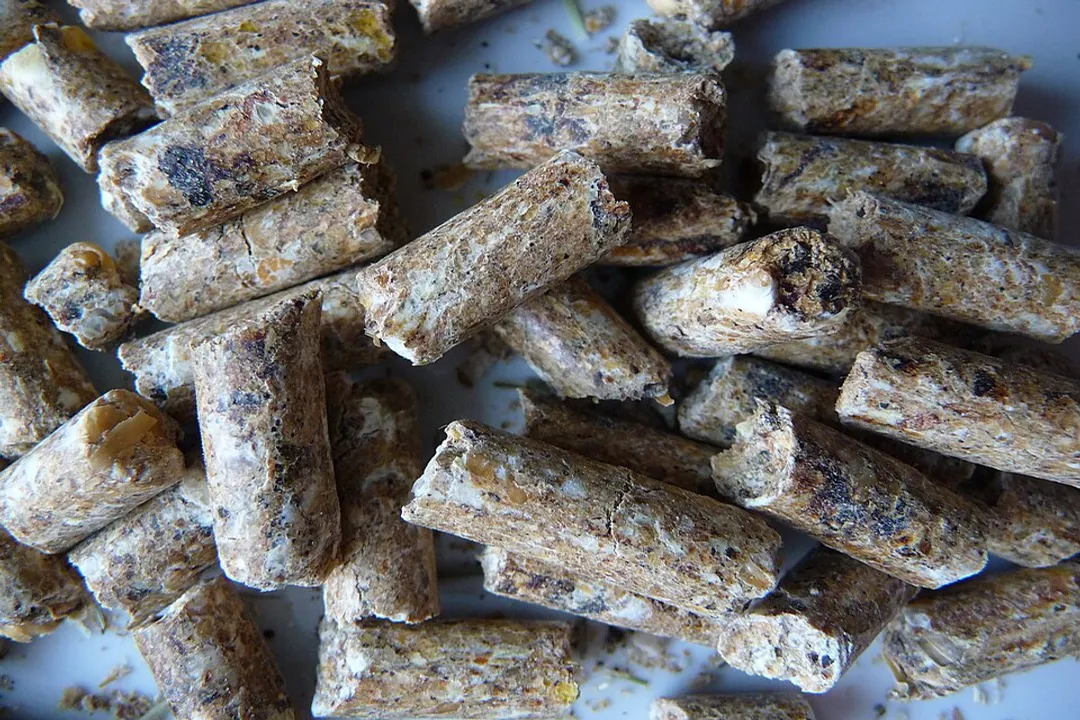
The primary danger in consuming mixed animal feed stems from what is added to the base ingredients, either intentionally or accidentally, which is permissible under different standards than those governing human food. [3][5]
These risks fall into several categories monitored by agencies like the FDA:
- Biological Contaminants: Animal feed can naturally contain microbes or molds, including dangerous mycotoxins. [5][3] In some contexts, the allowance for mycotoxins in animal feeds can be higher than in food intended for people. [3] Furthermore, because animal products are often ingredients, there is a risk of transmitting zoonotic agents, including bacteria like Salmonella or viruses, which can cause severe gastroenteritis in humans. Prion diseases, such as BSE, are also associated with consumption of animal products in feed. [2]
- Chemical Contaminants: Feeds can contain veterinary drug residues. [2] If an animal was treated with medication, traces of that chemical might remain in the feed intended for that animal. [2]
- Physical Contaminants: These are any unwanted foreign materials introduced during processing or storage. [5]
If a person were to consume a feed containing MBM, they would be ingesting a product derived from animal byproducts, which carries the specific historical risk associated with TSEs. [2] Even in less extreme cases, the general lack of sterilization or rigorous pathogen screening, common in human food processing, means the potential for illness—from mold toxins to bacteria—is elevated. [3]

# Regulatory Separation
The difference in acceptable safety thresholds is a key reason why standard commercial animal feed is not considered safe for people. The U.S. Food and Drug Administration (FDA) continually monitors animal food for biological, chemical, and physical contaminants. [5] Crucially, while the FDA sets regulatory limits for some contaminants in animal feed, the standards are distinct from those for human food. [3][5] For certain contaminants, any detectable level in human food is prohibited, while feed may have an established, albeit small, tolerance. [5] The Center for Veterinary Medicine (CVM) bases its action on protecting public health, but the regulatory path for animal feed is optimized for the health of the target animal, not the human consumer. [5] Therefore, even a feed that passes routine inspection for animal use may contain levels of a specific toxin that are deemed unsafe for regular human consumption. [3]
# Grain Paradox
The conversation often shifts when moving away from formulated, supplemented feed and toward singular, unprocessed crops. As the American Farm Bureau Foundation for Agriculture notes, there is an ongoing discussion about how much grain consumed by livestock, like cattle, could otherwise feed humans. [5] Ruminants like cattle can digest forage and fiber that humans cannot, which comprises about 93% of their lifetime diet. [5] However, when grain is involved, the efficiency conversion is a factor; for every 0.6 pounds of human-edible protein cattle consume in grain, they return 1 pound of human-edible protein as beef. [5] Other studies note that a large percentage of global livestock feed (estimated at 86%) is composed of materials inedible to humans, such as grass and crop residues.
The real issue for human consumption arises when considering the opportunity cost of that grain. One analysis suggests that using 36% of global crop calories for animal feed, only 12% of those calories return as human food, making the process highly inefficient relative to direct human consumption. In the U.S. context, the grain dedicated to animal feed could potentially feed nearly a billion people.
If the intent is bulk caloric storage without considering the ethics of the feed-vs-food debate, an individual might consider buying grain sold for animal consumption, such as whole wheat berries sold as chicken feed. [3] This bypasses the supplements and animal byproducts found in formulated feeds, but the source must be confirmed to be human-grade or at least free of veterinary drug residues, as the standards are lower. [3]
# Survival Assessment
When faced with an immediate need, such as a survival situation, the calculation changes, though the primary risks remain. [3] A person is more likely to consume items they would ordinarily avoid. [3] However, smart preparedness involves stocking staples that are human-grade, which often cost only slightly more in bulk than their feed-grade counterparts. [3]
To gauge the risk of consuming a specific feed, one must look past the general category and examine the label closely. If a feed contains Meat and Bone Meal or any animal by-product, or lists medications in its ingredients, it should be entirely avoided for human intake due to the risk of prion or drug contamination. [2] Conversely, if the feed is composed only of whole grains and molasses (like some sweet feeds), the primary concerns shift to processing (grinding/cooking for digestibility) and contamination levels. [3]
Consider the storage environment, which adds another layer of risk not always accounted for by simple ingredient inspection. Bulk feed bags, even if kept indoors, might not have the same moisture and rodent-proofing as long-term human survival rations. [3] A bag of feed left in less-than-ideal conditions can quickly become compromised by mold, fungi, and pests within a year, introducing new toxins or pathogens that cooking may not neutralize. [3] When comparing the cost of a 40-pound bag of feed to the caloric density of human staples like rice and beans, the cost savings of feed diminish rapidly when you factor in the daily caloric need to sustain an adult; a 40-pound bag provides far less than a year’s worth of calories for one person. [3] The wisest approach, even in planning for hard times, is to opt for bulk, human-grade versions of simple staples like grains and legumes, as this minimizes the unknown risks associated with additives and compromised regulatory standards inherent in commercial animal feed. [3]
Related Questions
#Citations
Animal Feed as Survival Food? : r/preppers - Reddit
Are beef animals consuming grain that could be used to feed humans?
Eating Animal Products, a Common Cause of Human Diseases - NIH
Biological, Chemical, and Physical Contaminants in Animal Food
Meat and bone meal - Wikipedia
FAO sets the record straight–86% of livestock feed is inedible by ...