Are adzuki beans safe during pregnancy?
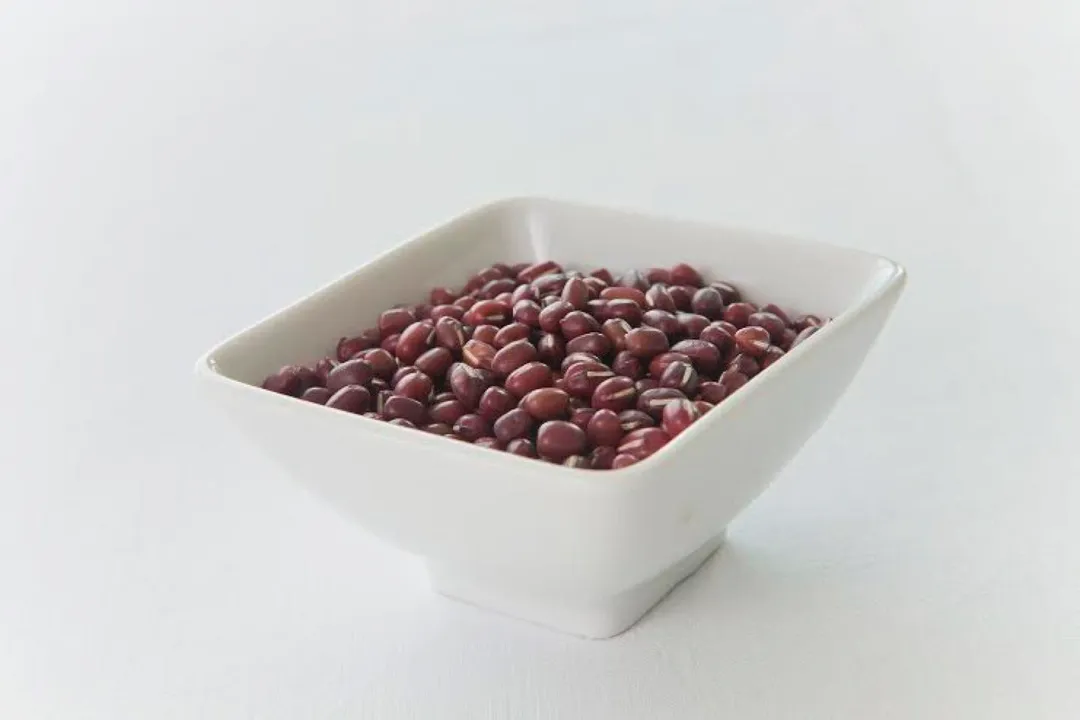
The integration of traditional or less common foods like adzuki beans into a pregnancy diet often prompts questions regarding safety and necessity. Adzuki beans, small red beans prominent in many Asian cuisines, are recognized for their dense nutritional makeup, which can be highly beneficial when the body's demands increase, as they are during gestation. Understanding their specific contribution—from essential minerals to fiber content—helps expecting mothers make informed choices about their daily intake.
# Core Nutrients
Adzuki beans are small but pack a significant nutritional punch, delivering a variety of vitamins and minerals that are vital for fetal development and maternal health. One of the most critical components they supply is folate (or folic acid), which is instrumental in preventing neural tube defects in the developing baby. Iron is another cornerstone nutrient found in abundance; it supports the increased maternal blood volume and helps prevent iron-deficiency anemia, a common concern during pregnancy.
Beyond these heavy hitters, adzuki beans offer substantial amounts of protein, which is necessary for the rapid growth of fetal tissues, and fiber, which addresses common digestive complaints. Minerals such as magnesium, potassium, and zinc are also present, contributing to overall well-being, blood pressure regulation, and immune function. Furthermore, they contain beneficial antioxidants, specifically flavonoids, which help combat oxidative stress in the body.
# Digestive Comfort
Pregnancy often brings unwelcome gastrointestinal changes, most notably constipation, due to hormonal shifts and the physical pressure of the growing uterus. This is where the high dietary fiber content of adzuki beans becomes particularly helpful. Fiber adds bulk to stools and promotes regular bowel movements, keeping the digestive tract moving smoothly.
It is interesting to consider how this benefits shifts throughout the nine months. In the first trimester, nausea might limit overall food volume, making nutrient-dense choices paramount. As pregnancy progresses into the second and third trimesters, the mechanical pressure on the intestines increases, making fiber intake crucial for comfort. Consuming moderate, consistent amounts of fiber from sources like adzuki beans, rather than overloading suddenly, can provide a more steady and manageable support system for the changing anatomy.

# Traditional Contexts
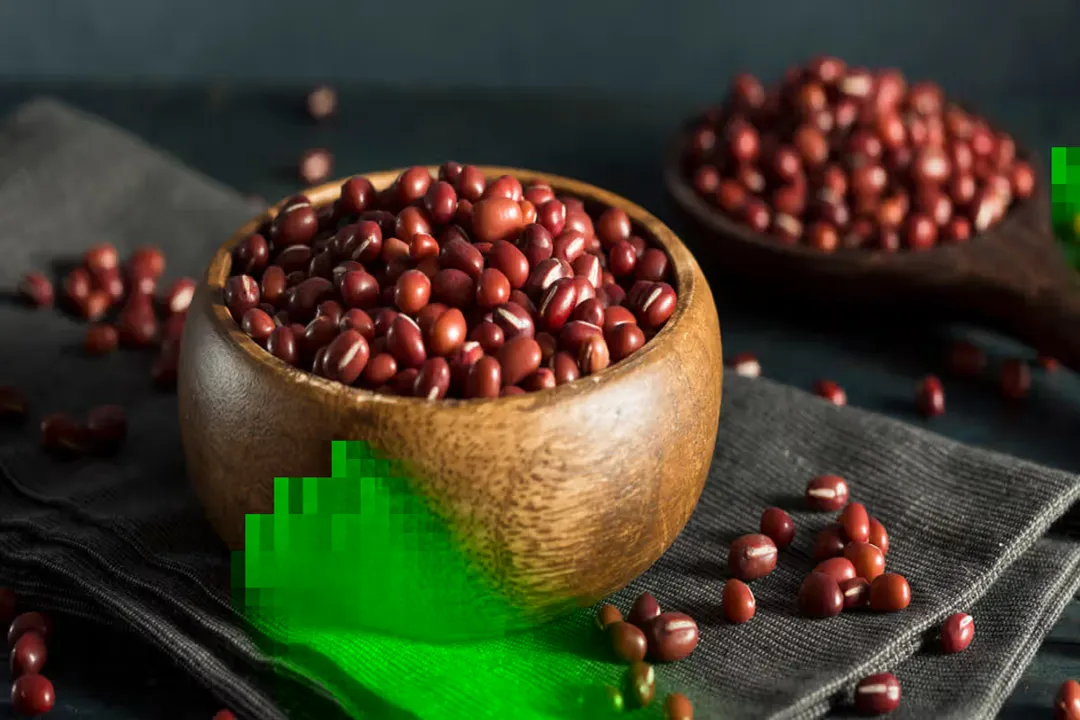
Perspectives on adzuki beans often cross from modern nutritional science into traditional medicine. In Traditional Chinese Medicine (TCM), adzuki beans are sometimes specifically recommended for women trying to conceive or those in early pregnancy. They are viewed as having properties that help drain dampness from the body, which in TCM terms can relate to reducing unnecessary fluid retention and supporting the function of the Kidney energy system, often tied to reproductive health.
This traditional view complements the modern scientific findings on their mineral content. For example, the recognized benefit of folate in modern science aligns with the TCM goal of supporting conception and early fetal health through tonifying actions. When comparing this to general advice, it suggests that when properly prepared, these beans have a historical precedent for inclusion in diets supporting reproductive phases.
# Preparation and Cultural Nuances

While the nutritional profile is excellent, how adzuki beans are consumed matters, especially in specific cultural contexts. For instance, in some Korean culinary traditions, certain ingredients are highlighted for caution during pregnancy. Although adzuki beans are versatile and widely eaten, it is important to note that preparation styles can sometimes influence digestibility or the absorption of nutrients. Generally, like all dried beans and legumes, adzuki beans must be thoroughly cooked to eliminate lectins and phytic acid, which can interfere with nutrient absorption or cause digestive upset if consumed raw or undercooked.
The safety of legumes generally relies on proper preparation; they are otherwise considered safe and beneficial staples in a pregnancy diet, often recommended for their protein and folate supply. If an expecting mother is exploring traditional recipes from regions where caution is advised regarding specific ingredients during pregnancy, consulting a healthcare provider about the specific preparation rather than the bean itself can be a useful step. For example, highly processed or fermented bean products might carry different considerations than simple, boiled beans.

# Mineral Density Analysis
To give a clearer picture of their value, consider their density. For a single 100-gram serving of cooked adzuki beans, the contribution toward daily needs for certain pregnancy-critical nutrients is quite notable. While specific Recommended Daily Allowances (RDAs) vary by trimester and individual, a serving can provide a measurable fraction of the required iron and folate intake.
| Nutrient | Approximate Contribution (per 100g cooked) | Relevance in Pregnancy |
|---|---|---|
| Folate | Significant % of daily target | Crucial for neural tube closure |
| Iron | Substantial amount | Supports increased maternal blood volume |
| Fiber | High concentration | Prevents common constipation |
| Protein | Good source | Essential for tissue growth |
If one were to calculate the caloric density versus the micronutrient return, adzuki beans present an efficient food choice. For a pregnant person struggling with low appetite or the need to manage weight gain carefully, adding a modest portion of adzuki bean paste or soup daily ensures they meet critical mineral targets without necessarily consuming excessive calories or large volumes of food. This efficiency in delivering key pregnancy nutrients is a subtle but important advantage over some other carbohydrate sources.
# Practical Inclusion in the Diet
Incorporating these beans does not require a drastic overhaul of eating habits. In Asian cooking, adzuki beans are frequently used to create sweet pastes (like anko), which can be used sparingly as a treat or spread, or they can be incorporated into savory dishes.
Here are a few simple ways to integrate them safely:
- Soups and Stews: Add cooked beans directly into vegetable or meat broths. This is an excellent way to introduce them alongside other vegetables, increasing overall nutrient density.
- Sprouting: Like other legumes, adzuki beans can be sprouted. Sprouting can increase the bioavailability of certain vitamins and make the beans easier to digest, though care must be taken to ensure sprouts are handled and washed hygienically to avoid bacterial contamination—a general food safety rule for pregnancy.
- Side Dishes: Seasoned and lightly mashed, they can serve as a side dish similar to how lentils might be used in other cuisines.
When planning meals, focusing on variety remains key. Adzuki beans should complement—not entirely replace—other essential food groups like lean proteins, a wide array of colorful vegetables, and healthy fats. Their presence in the diet is best viewed as a targeted nutritional boost rather than the sole source for any single required nutrient.

# Final Considerations on Safety
The general consensus points towards adzuki beans being safe and advantageous during pregnancy due to their robust nutritional composition. The potential for caution often stems from cultural preparation methods or the need to ensure any legume is cooked properly to avoid digestive distress. As with any dietary addition during this sensitive period, moderation is key, and any signs of unusual bloating or discomfort should prompt a reduction in portion size or a consultation with a healthcare provider who understands the individual’s complete dietary pattern. By respecting general food safety practices and acknowledging the bean’s impressive nutrient density, adzuki beans can certainly be a valuable, welcome addition to the prenatal menu.
Related Questions
#Citations
Adzuki Beans Pregnancy Superfood: The Perfect Blend of TCM and ...
Five Korean Ingredients You Should Avoid While You Are Pregnant
Adzuki Beans: Nutrition, Benefits and How to Cook Them - Healthline
Legumes in your pregnancy diet | BabyCenter
Azuki Beans: Health Benefits Explored | SHA Magazine
5 Foods for the 2 Week Wait - Blossom Clinic
Adzuki Beans: Health Benefits, Nutrition, Uses For Skin And Hair ...
Azuki Beans and Pregnancy - Motherfigure
Adzuki Beans - The Fresh Food Club