Is tuna safe to eat during pregnancy?

The decision about incorporating fish into your prenatal diet often circles back to one common pantry staple: tuna. While fish is highly recommended for the essential nutrients it provides for a developing baby, concerns about contaminants, particularly mercury, lead many expectant parents to wonder exactly where tuna fits into safe eating guidelines. It’s not a simple yes or no answer; the safety hinges entirely on which type of tuna you choose and how often you eat it. [1][5]
# Nutrient Value

Fish, in general, is an invaluable food source during pregnancy. It delivers lean protein, Vitamin D, and, most importantly, Omega-3 fatty acids, specifically DHA (docosahexaenoic acid). [5][10] These fatty acids are crucial building blocks for your baby’s brain and eyes. [5] By consuming fish, you are actively supporting vital neurological development in utero. [10] Furthermore, following recommended guidelines for seafood intake, generally 8 to 12 ounces per week of low-mercury varieties, ensures you reap these benefits while minimizing risk. [5]
# Mercury Concerns
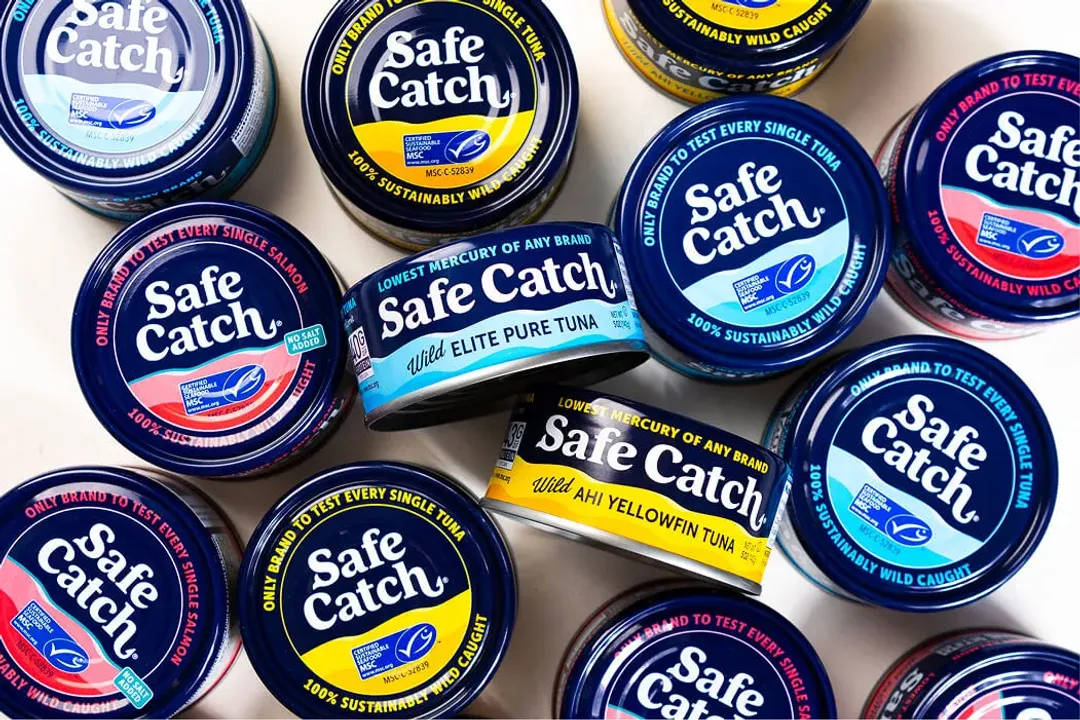
The reason for caution regarding tuna centers on mercury, a heavy metal that can accumulate in fish. When a pregnant person consumes mercury, it can cross the placenta and potentially affect the developing nervous system of the fetus. [4] This potential for neurotoxicity means that authorities like the U.S. Food and Drug Administration (FDA) and Environmental Protection Agency (EPA) issue specific guidance on fish consumption during pregnancy. [5] Generally, larger, longer-living predatory fish accumulate higher levels of mercury, which places some varieties of tuna higher on the concern list than others. [4]
# Tuna Types
The key to navigating tuna safety lies in understanding the different types available, especially in the canned section of the grocery store. Canned tuna is categorized primarily into two types, which have vastly different mercury profiles: Albacore and Skipjack. [2][4]
- Albacore Tuna (White): This variety comes from a larger fish and naturally contains significantly higher levels of mercury than light tuna. [2][5] Because of this higher concentration, it is subject to stricter consumption limits. [4]
- Skipjack Tuna (Light): This fish is smaller and matures faster, resulting in much lower mercury concentrations. It is often labeled simply as "light" tuna. [2][4]
It is also important to note that fresh tuna steaks, such as Ahi or Yellowfin, usually contain mercury levels comparable to or higher than Albacore, meaning they must be treated with the same level of restriction or avoided entirely during pregnancy. [4][5] Conversely, brands that specifically test their product, sometimes labeled as "mercury tested," aim to provide assurances that their seafood falls below established safety thresholds. [8]
# Weekly Limits
Official recommendations provide clear guardrails for integrating tuna safely. In the United States, the combined advice from the FDA and EPA suggests a tiered approach based on the mercury content of the fish. [5]
For Albacore (White) Tuna, the recommended limit is no more than 4 ounces per week. [1][4][5] To put this into perspective, a standard 5-ounce can of tuna, if fully consumed, would put you slightly over the entire weekly allowance for Albacore. [5]
For Light or Skipjack Tuna, which has lower mercury levels, the guidance allows for up to 12 ounces per week. [1][4][5] This means you could safely consume two to three standard cans of light tuna across the week, provided you are not eating other high-mercury fish simultaneously. [5]
Comparing these guidelines reveals a significant difference in allowance; you get three times the serving of light tuna compared to white tuna based on the same weekly limit structure. [1][4] It is worth noting that other health organizations may offer slightly more conservative advice. For instance, the UK’s National Health Service (NHS) suggests limiting all tuna consumption, often grouping it with other oily fish and recommending perhaps no more than two to three portions (around 140g total) per week, often preferring lower-mercury options like salmon or sardines over tuna altogether. [3] Sticking to the lower end of the advice, or prioritizing other fish, often brings the greatest peace of mind. [3][5]
# Smart Choices
Making informed choices means actively planning your meals around these limits and understanding package sizes. If you are planning a recipe that calls for a standard 5-ounce can of tuna, realizing that this single can represents 5 ounces of Light tuna (leaving 7 ounces for the week) or is already over the 4-ounce limit for Albacore provides immediate context. [5] This simple calculation helps prevent accidental overconsumption across multiple meals.
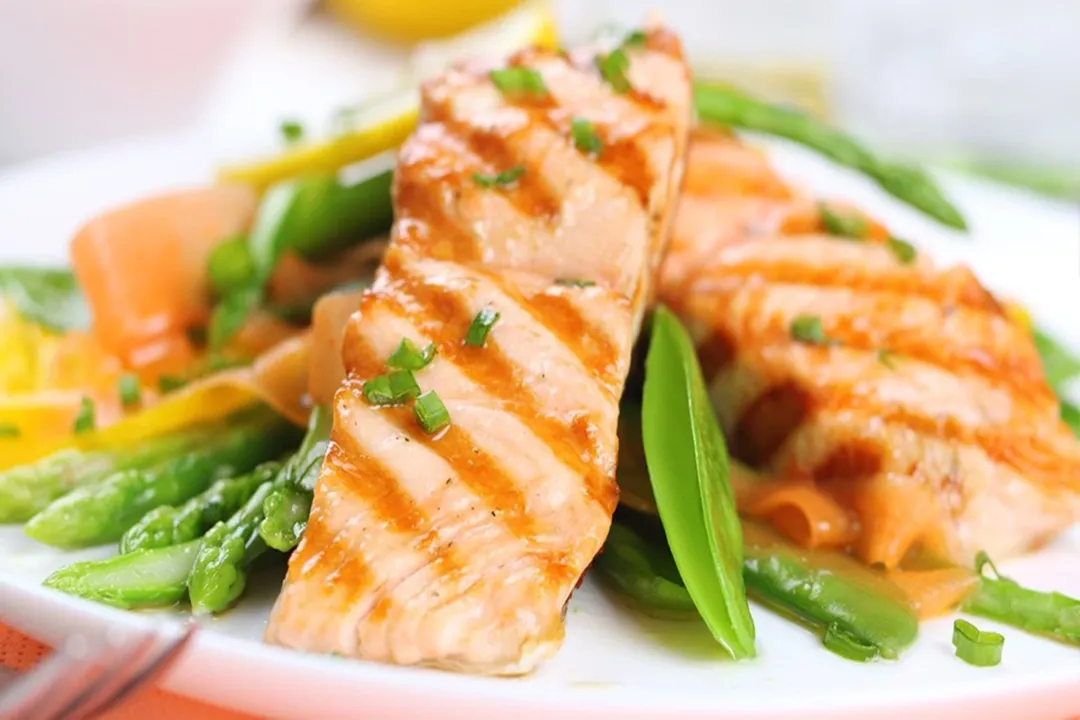
When you are at the store deciding between cans, always check the label to confirm if it specifies Albacore or Light/Skipjack. If you are preparing fresh tuna steaks, take the extra moment to inquire with the vendor about the species, as Yellowfin is common but carries a higher mercury load, placing it in the category where strict limitation—or complete avoidance during pregnancy—is advisable, much like swordfish or king mackerel. [4][5] If you find yourself unsure about the mercury testing status of a specific brand, remembering the general hierarchy—Small fish < Medium fish < Large fish—can serve as a helpful, though not perfect, proxy until you can consult more specific resources. [8] Ultimately, balancing the recognized benefits of Omega-3s with the necessity of low mercury exposure means that smart swapping—choosing salmon, shrimp, or tilapia more frequently—is a practical strategy to maintain a healthy, varied diet without constant calculation regarding the can of light tuna you had last Tuesday. [4][10]
Related Questions
#Citations
Can You Eat Tuna While Pregnant? Experts Answer - The Bump
The Right Tuna for Pregnancy
Foods to avoid in pregnancy - NHS
Can You Eat Tuna While Pregnant? - Healthline
Pregnancy and fish: What's safe to eat? - Mayo Clinic
5 Things to Know About Eating Seafood During Pregnancy –
Did anyone else eat a lot of tuna and did your baby turn out okay?
Is Tuna Safe During Pregnancy? Separating Facts from Myths
Is It Safe to Eat Tuna While Pregnant? - Parents
Fish in Pregnancy | Smoked Salmon, Tuna, Sushi & More | Aptaclub