Is alfalfa safe to eat raw?
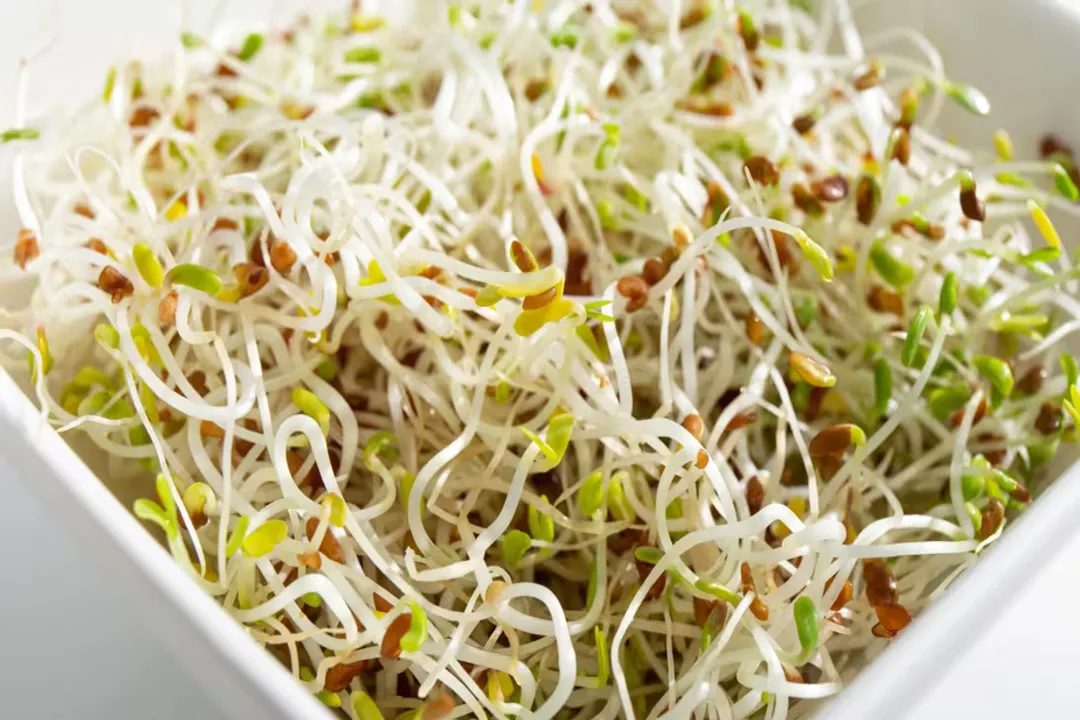
Alfalfa sprouts are a familiar addition to many sandwiches, salads, and wraps, prized for their crisp texture and perceived health benefits. They are a green, delicate food that seems inherently wholesome, which is why the safety question surrounding their raw consumption arises so frequently among home cooks and health-conscious eaters alike. When something tastes light and fresh, it’s natural to assume it carries zero risk, but when it comes to sprouts, the reality is a bit more complicated than simply tossing them in a salad.[1][3]
# Nutritional Profile

Before diving into the safety concerns, it is important to acknowledge why people seek out alfalfa sprouts in the first place. They are quite nutritious for something so light. Alfalfa is known to be low in calories and contains a notable amount of protein compared to many other vegetables. [8] Furthermore, they offer beneficial vitamins, often cited as containing Vitamin K and Vitamin C. [8] This strong nutritional profile makes them an appealing choice for those looking to boost the micronutrient density of their meals without adding significant fat or excessive calories. [8]
# Sprouting Risks
The core issue with raw alfalfa sprouts—and many other sprouted seeds, such as clover, radish, and mung beans—stems not from the alfalfa plant itself in its mature form, but from the unique growing conditions required to create the sprout. [4][9] To sprout seeds, growers must provide a warm, humid environment. [4] Unfortunately, these exact conditions are also the perfect breeding ground for harmful bacteria that may already be present on the seed surface. [4]
It’s less about what happens during the sprouting process and more about what the seed brings to the process. Seeds can become contaminated in the field or during harvest, and once the seed begins to sprout, it dramatically increases its surface area and water content, allowing any existing bacteria to multiply rapidly. [4] Because sprouts are generally eaten raw, any pathogens that grow in this environment are consumed directly without the kill step of cooking. [3][5]
# Bacterial Concerns
The specific pathogens most often associated with raw sprout outbreaks are Salmonella and E. coli. [3][4] These are serious concerns because contamination can be widespread and difficult to detect visually or through smell. [3] While consumers often worry about washing produce thoroughly at home, the contamination in sprouts frequently originates deep within the germinating seed or on the interior surfaces that are impossible to clean effectively once the sprout has formed. [4]
Consider this: if a single seed in a large batch is contaminated, the warm, wet environment of the sprout house acts as a multiplier, potentially turning that single compromised seed into a significant source of pathogens that then end up in multiple consumer packages. [4] This contrasts sharply with whole produce, where surface contamination is usually the primary concern and can often be mitigated with proper rinsing—a luxury not afforded to the delicate, interconnected network of a sprout.
# Official Guidance
Given the documented history of outbreaks linked to them, various health and regulatory bodies have issued strong cautionary advice regarding raw alfalfa sprouts. [3][7] The United States Food and Drug Administration (FDA), for instance, has previously advised the halting of alfalfa sprout use due to food safety concerns. [7] This guidance often emphasizes that certain populations should avoid raw sprouts entirely. [3]
The group most strongly urged to avoid them includes young children, the elderly, pregnant women, and anyone with a compromised or weakened immune system. [3][7] For these individuals, the risk associated with a Salmonella or E. coli infection is significantly higher, meaning the potential reward of eating a raw sprout simply does not justify the possible danger. [3] While the general public may choose to accept a low-level risk, public health agencies are generally cautious about recommending foods that present a known, non-trivial hazard to vulnerable groups. [7]

# Cooking Solutions
The most straightforward way to enjoy alfalfa sprouts while drastically reducing the risk of foodborne illness is to cook them. [5] Heating the sprouts effectively acts as a pasteurization step, killing the harmful bacteria that might be present on or within the tissue. [3]
This doesn't mean you have to subject them to intense heat. A quick sauté, steaming them lightly until they are just wilted, or adding them to hot soups or casseroles near the end of the cooking process is usually sufficient to bring the internal temperature high enough to neutralize pathogens. [3][5] If you find the texture of cooked sprouts unappealing, remember that even a brief exposure to heat—perhaps adding them to a stir-fry just before serving—is much safer than consuming them completely raw on a deli sandwich. [3]
# Consumer Choices
For those who decide to continue eating raw sprouts, or those who purchase them from local growers they trust, there are still ways to approach consumption with more awareness. It is critical to understand that contamination is a system-wide issue, not just a local one. If a national distributor is implicated in an outbreak, the affected seeds may have been distributed across a wide geographic area. [7]
Here is a simple way to think about the purchase decision: when buying any fresh produce, you are generally assessing the quality of the farm and the supply chain up to that point. With sprouts, you are also assessing the quality of the seed stock and the controlled growing environment—factors which are far less visible to the consumer. [4] If you are choosing to eat them raw, always inspect the package carefully; never buy sprouts that look slimy, dull, or smell musty, and adhere strictly to the expiration date. [1] In fact, a good rule of thumb, regardless of the label date, is to consume sprouts within one or two days of purchase, as their high moisture content means spoilage and bacterial proliferation accelerate quickly once they leave the controlled environment of the supplier. [4]
It might be helpful for consumers to keep a mental chart contrasting the relative risks of different fresh produce items based on how they are grown and typically consumed.
| Produce Type | Primary Risk Factor | Mitigation Strategy | Alfalfa Sprout Risk Level (Raw) |
|---|---|---|---|
| Root Vegetables (Carrots) | Soil Contact | Thorough scrubbing/peeling | Low to Moderate |
| Leafy Greens (Lettuce) | Field Runoff/Handling | Rinsing/Bagged Washing | Moderate |
| Sprouts (Alfalfa) | Seed Contamination/Growth Environment | Cooking | High |
This comparison highlights why sprouts are treated differently by health officials; the risk pathway is inherent to the product category itself, making them a persistent concern. [4][7]
# Seed Quality Matters
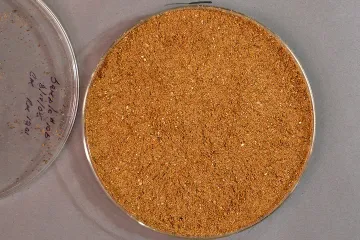
To approach this from an expertise angle, the focus on seed hygiene is paramount. A manufacturer or grower who cannot guarantee contaminant-free seed stock should not be growing sprouts intended for raw consumption. [4] When seeds are treated to eliminate bacteria, the process can sometimes inhibit germination, presenting a dilemma for growers who need high yield. [6] Therefore, rigorous testing protocols for the raw seed material before it ever enters the warm, humid sprouting chamber are the true gold standard for safety, though this testing is largely invisible to the end-user. [4] If you are ever in doubt about the source or handling practices of the sprouts you buy, treating them as a high-risk item and cooking them thoroughly is the safest course of action, especially if you are in one of the at-risk groups. [3][7]
#Videos
Don't Eat Raw Alfalfa Sprouts - YouTube
Related Questions
#Citations
Is it ok to eat “raw” alfalfa sprouts? : r/cookingforbeginners - Reddit
Don't Eat Raw Alfalfa Sprouts - YouTube
Sprouts Are a Common Food Poisoning Cause—How to Stay Safe
Seed and Bean Sprouts - Food Safety - University of Connecticut
Don't Eat Raw Alfalfa Sprouts | NutritionFacts.org
Chow Line: Be aware of risks from eating sprouts - CFAES
FDA advises halting use of alfalfa sprouts - Nation's Restaurant News
4 Health Benefits of Alfalfa - Cleveland Clinic Health Essentials
Raw Sprouts - Food Service Staff Education and Training (CA Dept ...