In traditional Italian preparations, what characteristic texture are Borlotti beans aimed toward when simmered in rustic soups (*zuppa*)?
Answer
A texture where they are nearly meant to melt into a thick stew
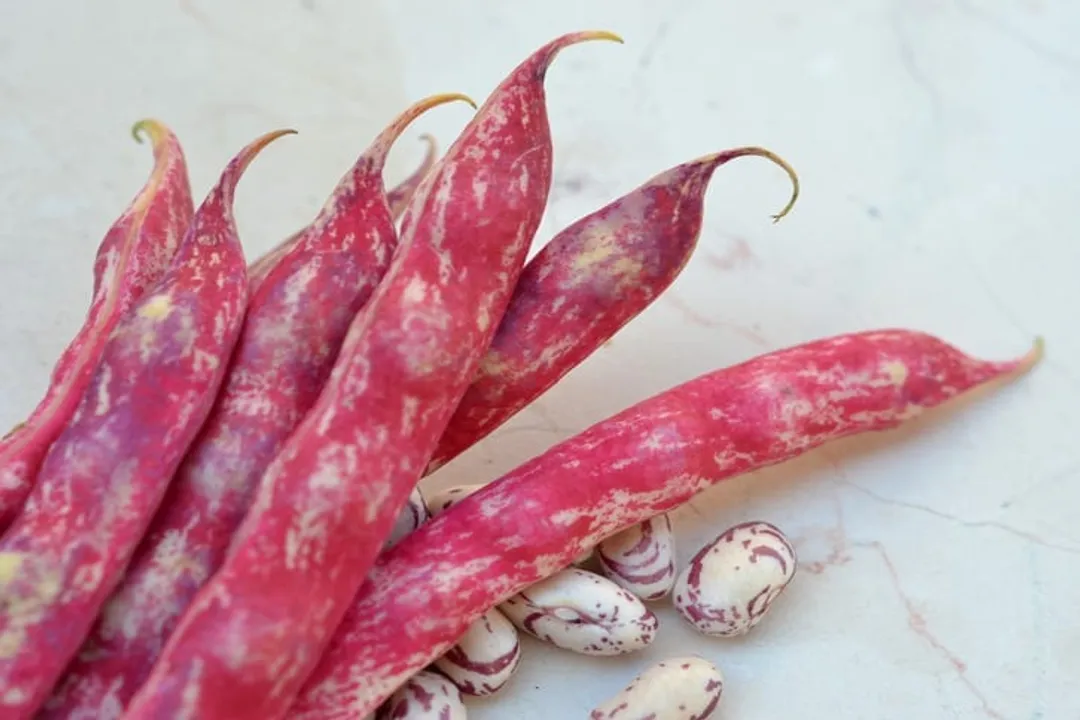
The culinary preparation of Borlotti beans, especially in Italian cuisine for dishes like rustic soups (*zuppa*), dictates specific soaking and cooking times to achieve the desired outcome. When the goal is a rich, thick soup or stew, the objective is a texture where the beans break down significantly, almost melting into the liquid base, thereby enhancing the body and richness of the dish. To achieve this highly integrated texture, an overnight soak for the dried beans is usually considered crucial prior to cooking, contrasting sharply with preparations where a firmer bean structure is intentionally sought.
Related Questions
What is the scientific classification for the common bean variety known as Borlotti beans?Which B vitamin, crucial for cell growth and DNA synthesis, is present in strong levels in Borlotti beans?Which mineral, naturally high in Borlotti beans, supports circulatory health by balancing sodium's negative effects on blood pressure?How does the substantial fiber load in Borlotti beans immediately benefit the digestive system and appetite control?To genuinely capitalize on the plant-based iron content in Borlotti beans, what specific nutrient must they be paired with during the same meal?What type of carbohydrate provides dense, sustained energy when consumed via Borlotti beans?In traditional Italian preparations, what characteristic texture are Borlotti beans aimed toward when simmered in rustic soups (*zuppa*)?Besides high fiber and protein, what unique contribution do the antioxidants present in Borlotti beans offer?What positive effect does the soluble fiber found in Borlotti beans have specifically on cardiovascular health?What characteristic flavor profile and texture define the culinary appeal of properly cooked Borlotti beans?