How healthy are adzuki beans?
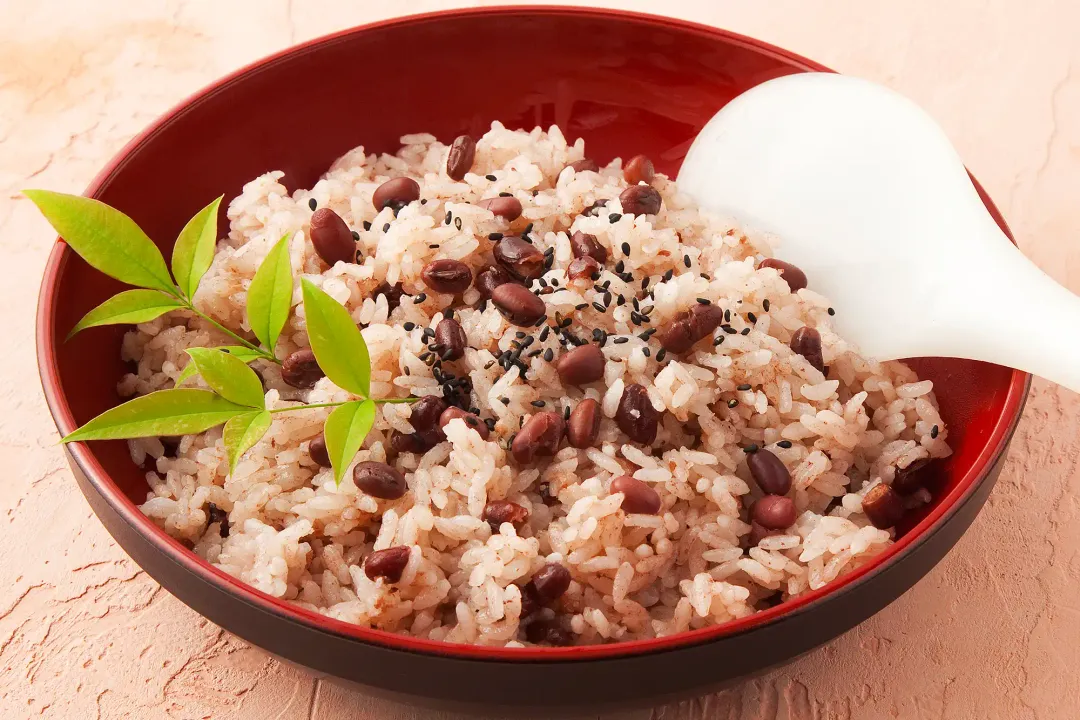
Adzuki beans, small red legumes originating in East Asia, are far more than just a colorful ingredient for sweet desserts, although their role in traditional confections is certainly famous. [3] These little powerhouses offer a dense package of essential nutrients that contribute significantly to overall wellness, making them a valuable addition to almost any diet. Understanding their nutritional composition reveals why they have been a staple in cultures like Japan, China, and Korea for centuries. [3]
# Nutritional Profile
The makeup of adzuki beans is quite impressive, particularly when considering their low-fat nature. [1][2] A serving delivers a substantial amount of dietary fiber, which is crucial for digestive regularity and managing satiety. [1][2] They stand out as a significant source of plant-based protein, providing the building blocks the body needs without the saturated fat often associated with animal sources. [5]
Beyond the macronutrients, adzuki beans are rich in several vital micronutrients. They contain high levels of B vitamins, including folate (B9), thiamine (B1), riboflavin (B2), and pyridoxine (B6). [2][6] Folate is particularly important for cell division and DNA synthesis. [2] When looking at minerals, adzuki beans are excellent providers of manganese, phosphorus, magnesium, iron, copper, potassium, and zinc. [1][2][6]
For example, manganese plays a role in metabolism and bone formation, while iron supports oxygen transport in the blood. [1] The concentration of these minerals often surpasses that found in more commonly consumed beans, giving adzuki a unique mineral fingerprint. If you compare a standard serving of adzuki beans to an equivalent serving of kidney beans, for instance, you might find adzuki beans offering a notably higher percentage of your daily recommended intake for manganese and folate, a point worth noting for individuals prioritizing these specific nutrients, such as those planning for pregnancy. [2][5]
The presence of polyphenols is another key feature of adzuki beans. [4][8] These compounds act as antioxidants within the body, helping to neutralize unstable molecules known as free radicals, which are implicated in various chronic conditions. [4][8]
# Heart Health Support

Maintaining a healthy cardiovascular system benefits greatly from incorporating legumes like the adzuki bean into regular meals. [1] The high fiber content is a primary mechanism for this support, as it helps to reduce levels of LDL cholesterol—often termed the "bad" cholesterol—in the bloodstream. [1][5]
Furthermore, the substantial mineral profile supports healthy blood pressure regulation. Potassium, for example, works to balance the negative effects of sodium, which is essential for keeping blood pressure within a normal range. [5] The combination of lower cholesterol risk factors and blood pressure management positions adzuki beans as a supportive food for long-term heart health. [1][5]

# Blood Sugar Regulation
Managing blood sugar levels is a major area where adzuki beans demonstrate their value, especially for individuals concerned about insulin sensitivity or those managing diabetes. [1][2] They possess a low glycemic index (GI), meaning they cause a slower, more gradual rise in blood sugar levels after consumption compared to high-GI foods. [1][2]
This favorable effect is largely due to the high concentration of fiber and complex carbohydrates. [5] The fiber slows down the rate at which the body digests the beans and absorbs sugar into the bloodstream. [2] Eating adzuki beans, perhaps paired with healthy fats or proteins, can contribute to more stable energy levels throughout the day, avoiding the sharp spikes and subsequent crashes associated with refined carbohydrates. [1]
# Digestive Function
The impact of adzuki beans on the digestive system is significant, almost entirely attributable to their dietary fiber content. [1][6] Fiber, both soluble and insoluble, adds bulk to stool, promoting regular bowel movements and preventing constipation. [1][6] For those aiming for healthy weight management, this fiber also contributes to a feeling of fullness, or satiety, which can naturally lead to reduced overall calorie intake. [2]
From an Ayurvedic perspective, adzuki beans are described as being relatively light and easy to digest when cooked properly, making them suitable for balancing Kapha dosha, which is often associated with sluggishness and accumulation. [7] However, anyone new to eating legumes or consuming large quantities should introduce them gradually, as the sudden increase in fiber can temporarily cause gas or bloating. [6]

# Traditional and Other Benefits
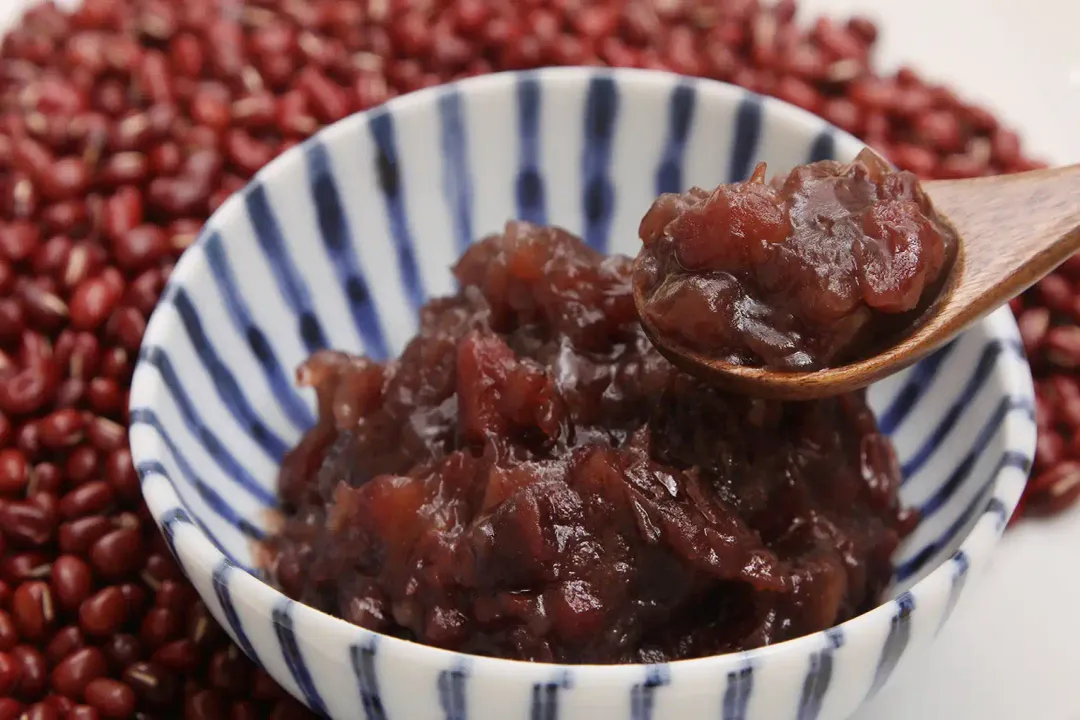
Adzuki beans have a deep history in Asian culinary traditions, often featuring as the primary ingredient in anko, a sweet red bean paste used in pastries and desserts like dorayaki or mochi. [3] This traditional use showcases their natural sweetness and smooth texture when cooked down. [3]
Interestingly, traditional systems also suggest benefits beyond immediate nutrition. For example, applying an adzuki bean paste externally has been suggested as a traditional remedy for skin health, possibly due to the beans' mineral and antioxidant content. [6] Internally, some sources point to their potential role in supporting kidney function. [5]
When thinking about incorporating these beans into a modern, health-focused pantry, it is wise to consider how to enhance their benefits. For those preparing traditional anko for a healthier snack, consider grinding a portion of the cooked beans with unsweetened oats or chia seeds before sweetening. This simple adjustment increases the overall fiber and omega-3 content, making the resulting paste more balanced for blood sugar management without drastically altering the classic flavor profile. [1][2]
# Preparation Matters
Like most dried legumes, adzuki beans require proper preparation before consumption to ensure maximum digestibility and nutrient availability. [5] Failing to prepare them correctly can lead to digestive discomfort and can reduce the absorption of some beneficial minerals due to natural antinutrients, such as phytic acid. [5]
The essential steps involve:
- Rinsing: Thoroughly rinse the dry beans under cold running water before soaking. [5]
- Soaking: Soak the beans for several hours, ideally overnight, discarding the soaking water afterward. [5] This step helps to soften them and begin breaking down complex carbohydrates and potential irritants.
- Thorough Cooking: Cook the soaked beans until they are completely tender. Slow cooking or pressure cooking works well to ensure they are soft enough for easy digestion. [5]
This meticulous approach ensures you reap the full spectrum of vitamins, minerals, and fiber without the common side effects associated with improperly prepared legumes. [5][6]

# Minerals for Specific Needs
The mineral composition merits a closer look for specific health goals. Beyond manganese, adzuki beans are a good source of phosphorus, which works alongside calcium for bone strength, and magnesium, involved in hundreds of bodily reactions, including muscle and nerve function. [1][6]
Considering their nutrient density, incorporating adzuki beans a couple of times a week—perhaps swapping them for chickpeas or lentils in a salad or curry—is a straightforward way to diversify your legume intake and ensure you are covering a broader range of trace minerals that might be lacking if one relies heavily on just one or two types of beans. [2][5] Their relatively small size also means they cook faster than larger beans, often reducing the overall time commitment required in the kitchen compared to, say, dried lima beans or chickpeas. [3]
Related Questions
#Citations
Health Benefits of Adzuki Beans
Adzuki Beans: Nutrition, Benefits and How to Cook Them
6 Health Benefits of Azuki: The Mighty Little Red Bean
Adzuki Bean Alleviates Obesity and Insulin Resistance ...
Adzuki Beans Nutrition, Health Benefits and How to Cook
Adzuki Beans: Health Benefits, Nutrition, Uses For Skin ...
Adzuki Beans Benefits (Ayurveda Insights)