Are borlotti beans anti-inflammatory?

Borlotti beans, those wonderfully speckled additions to Italian cooking and many other global cuisines, carry a reputation for being a nutritional powerhouse. When health-conscious eaters discuss foods that can help manage chronic inflammation, they often look toward colorful fruits, fatty fish, and dark leafy greens, but legumes frequently earn their spot in these discussions, and Borlotti beans are no exception. [1][6] The central question becomes less about if they are beneficial and more about how their unique composition contributes to an anti-inflammatory state within the body. [2]
# Dietary Context

Incorporating beans into one’s diet aligns closely with established recommendations for managing inflammation. [1] Diets that emphasize plant-based sources of protein, fiber, and beneficial compounds often feature legumes prominently. [9] For instance, patterns frequently cited for their health protective qualities—such as the Mediterranean diet—naturally include beans as staple foods. [1] Legumes, in general, are recognized as components of an anti-inflammatory eating style because they provide essential nutrients that support overall wellness and disease prevention. [6] While general dietary advice points to beans as a positive choice, examining the specific biochemistry of the Borlotti bean offers a clearer picture of its potential impact. [2]
# Bean Powerhouse
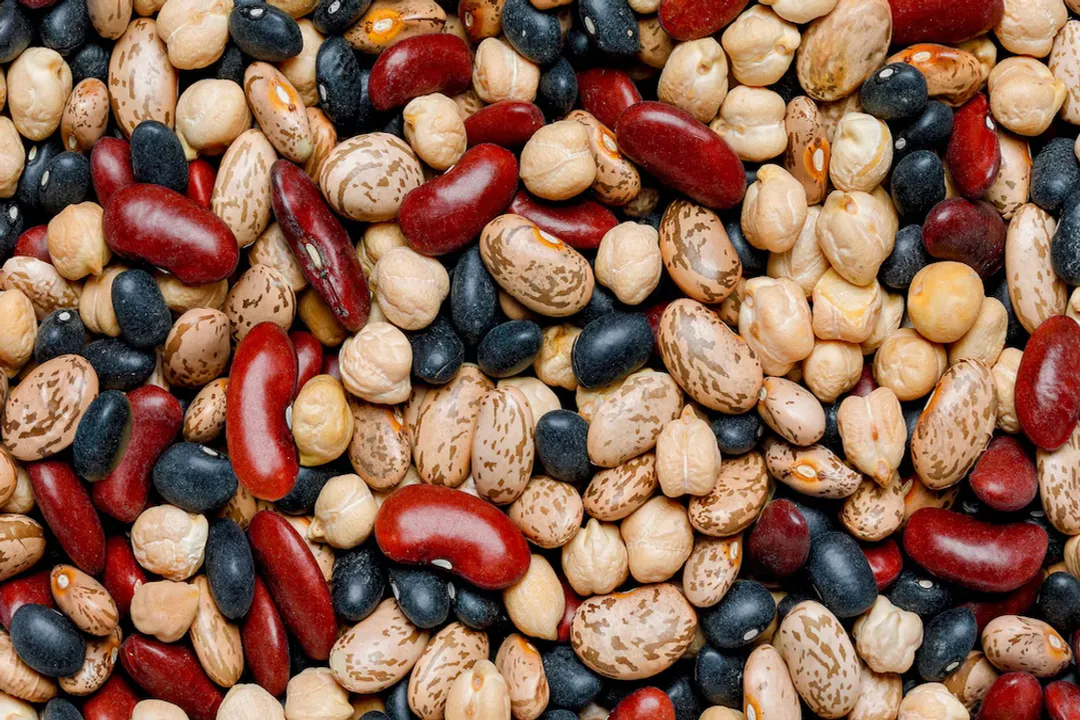
The general nutritional profile of beans offers inherent advantages that support reduced inflammatory load. Beans are celebrated for their high content of dietary fiber and plant-based protein. [3][5] This fiber is crucial; it aids in digestive health and can influence gut microbiota, which plays an important role in immune response and inflammation signaling throughout the body. [3] Furthermore, many beans are listed among the healthiest legumes available due to their nutrient density. [4] Beyond fiber and protein, beans provide essential minerals and vitamins that support cellular function. [5] When seeking anti-inflammatory foods, experts often cite legumes as excellent sources of protein that provide benefits without the saturated fat sometimes associated with animal sources. [9] This makes substituting traditional protein sources with beans, such as Borlotti, an accessible strategy for dietary shifts. [9]

# Polyphenol Release
The specific interest in Borlotti beans, Phaseolus vulgaris, stems from their concentration of bioactive compounds, particularly polyphenols. [2] Polyphenols are secondary metabolites in plants known for their antioxidant properties, which directly counteract the oxidative stress implicated in chronic inflammation. [8] Research focusing specifically on Borlotti beans has investigated how the bioaccessibility of these anti-inflammatory polyphenols changes based on how the starch within the bean is digested. [2] This research highlights that the release of these beneficial compounds is enhanced when the starch structure is broken down during digestion. [2] This mechanism suggests that the compounds meant to fight inflammation are not just present, but their entry into the system is actively optimized by the digestive process itself. [2] Another study investigating various bean phenolics noted their strong antioxidant capacity, which is intrinsically linked to reducing inflammatory pathways. [8]
Here is a simple comparison of the general anti-inflammatory benefits often associated with legumes:
| Component | Function Related to Inflammation Control |
|---|---|
| Fiber | Supports gut health; modulates immune response [3] |
| Plant Protein | Low in saturated fat; aids in replacing pro-inflammatory animal proteins [9] |
| Polyphenols | Act as antioxidants, neutralizing free radicals [2][8] |
| Minerals | Supports overall cellular health and metabolic regulation [5] |
It’s interesting to consider how preparation methods affect this bioaccessibility. While laboratory studies look at digestion rates, our everyday cooking methods—like soaking, boiling, or simmering—significantly alter the bean's matrix. [2] A practical consideration for home cooks is that overly long or aggressive cooking might degrade some delicate polyphenols, yet sufficient heating is necessary to break down indigestible starches and improve nutrient absorption overall. [2] Therefore, finding the sweet spot—cooked until tender but not mushy—is key to maximizing both digestive ease and compound release. This is where experience with traditional methods, like ensuring beans are perfectly tender for a soup, actually serves a nutritional purpose beyond just palatability. [7]
# Preparation Impact
The way we eat Borlotti beans directly influences their impact on inflammation. Legumes are recognized for their anti-inflammatory status, but the delivery system matters. [6] The traditional pairing of Borlotti beans with ingredients like tomatoes and basil is more than just a flavor combination; it creates a synergistic nutritional meal. [7] Tomatoes are rich in lycopene, another recognized antioxidant, and basil contains volatile oils that also possess beneficial properties. [7] Combining these elements in a single dish means the eater is consuming a broader spectrum of anti-inflammatory phytochemicals rather than relying on one single source. [1]
For example, if a person typically avoids beans due to past issues with bloating, they might believe they are missing out on anti-inflammatory benefits. However, adopting a gradual introduction, perhaps starting with a small serving of well-cooked, pureed Borlotti beans in a sauce, can help the digestive system adapt to the high fiber load while still providing the polyphenol benefits. [3] This measured approach respects the body's need to adjust to high-fiber foods, preventing discomfort that might otherwise lead to abandoning this beneficial legume entirely.

# Legumes Support
Beans are routinely included in recommendations aimed at supporting long-term health through inflammation management. [6] This inclusion is supported by their general classification as healthy foods. [4] While specific studies on Phaseolus vulgaris point to the exciting role of its polyphenols, the broader class of legumes shares these protective characteristics. [2][8] By choosing Borlotti beans, a consumer is selecting a known, versatile, and accessible food item that fits well within established anti-inflammatory dietary principles, whether they follow a formal plan or simply aim to eat more whole, plant-based foods. [1][9] The evidence suggests that consuming these beans does contribute positively toward reducing oxidative stress and supporting an internal environment less prone to chronic inflammatory responses. [8]
Related Questions
#Citations
Anti-Inflammatory Diet Do's and Don'ts - Arthritis Foundation
(PDF) Starch Digestion Enhances Bioaccessibility of Anti ...
What is the healthiest type of bean? - MD Anderson Cancer Center
Beans are a nutrient dense food. But which ones are best?
Exploring the Nutritional Benefits of Borlotti Beans: A Health Perspec
[PDF] Anti-Inflammatory Diet - VA.gov
SaiChé: discover the benefits of Tomatoes, Borlotti Beans and Basil!
Efficacy of Great Northern beans-derived bioactive compounds in ...
4 Anti-Inflammatory Proteins You Should Be Eating - EatingWell